
Kurdish leaders seek to ease tensions as repeated drone and rocket attacks strike cities across Kurdistan Region
Senior Kurdish officials have moved to calm tensions in the Kurdistan Region after a series of drone and rocket attacks targeted cities and towns in recent days, raising fears that escalating regional conflicts could spill further into Iraq.
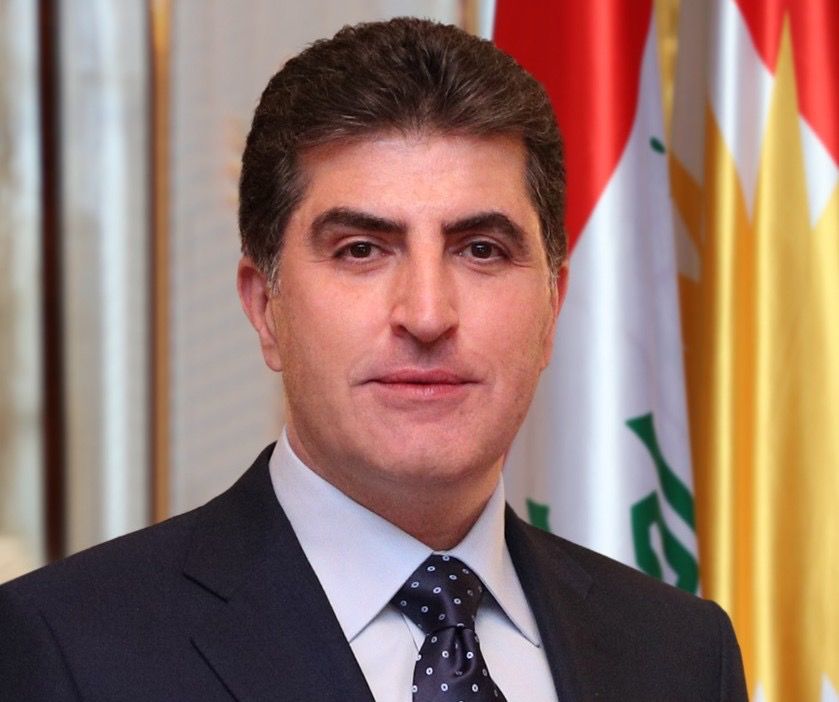
Kurdistan Region President Nechirvan Barzani discussed the situation with Iraq Prime Minister Mohammed Shia’ al-Sudani in a telephone call, as both sides sought to present a coordinated response to the attacks and the broader regional tensions.
According to a statement from the Iraqi prime minister’s office, the two leaders condemned targeting of Iraqi cities and stressed the importance of respecting the country’s sovereignty.
Both officials also emphasized that Iraqi territory must not be used as a base for attacks against neighboring countries, a message intended to reassure regional actors amid rising tensions across the Middle East.
The call highlighted the need for political forces in Iraq to align their positions and maintain stability during what officials described as a sensitive period for the country and the region.
At the same time, Kurdish authorities rejected reports suggesting the Kurdistan Region could be drawn directly into the growing confrontation between regional powers.
Peshawa Hawramani, spokesperson for the Kurdistan Regional Government, dismissed claims circulating in some media outlets that Kurdish authorities were involved in plans to arm Iranian Kurdish opposition groups.
“Reports claiming that the Kurdistan Region is part of a plan to arm and send Kurdish opposition parties into Iranian territory are completely false,” Hawramani said in a statement.
He said such reports were being published with “malicious intent,” adding that the Kurdistan Regional Government and political parties in the region were not part of any effort to expand the conflict.
“On the contrary, we call for peace and stability in the region,” Hawramani said.
The spokesperson also condemned what he described as “cowardly attacks on the Kurdistan Region,” calling on the Iraqi federal government and the international community to help stop the assaults and protect civilians.
In recent days, residents across several areas of the Kurdistan Region reported hearing explosions and seeing drones flying at low altitudes over cities and towns. Civil defense and emergency teams were deployed to affected areas following the incidents.
The attacks come as tensions in the wider region have risen sharply following clashes between Iran, Israel and the United States, raising concerns that Iraq could become an arena for proxy confrontations.
Political leaders in Kurdistan have warned that the persistence of armed groups operating outside state control remains one of the country’s most serious security challenges.
In Baghdad, the parliamentary bloc of the Kurdistan Democratic Party condemned the attacks, describing them as acts of terrorism and warning that continued assaults could undermine the authority of the Iraqi state.
“By all standards, these attacks are blatant acts of terrorism, a dangerous violation of the constitution, and a breach of state sovereignty,” the bloc said in a statement.
The group argued that the presence of “uncontrolled weapons” posed a direct threat to citizens and to the stability of the country.
It called on the Iraqi government to take “swift and decisive steps” to stop extremist and outlawed armed groups and to identify those responsible for the attacks.
“The continuation of these attacks without a real halt implies a dangerous weakening of the state’s prestige and raises serious questions about the government’s ability to enforce the law,” the statement said.
For Kurdish leaders, the recent wave of attacks underscores the delicate position of the Kurdistan Region, which has long sought to maintain stability despite its proximity to some of the Middle East’s most volatile conflicts.
Officials in Erbil have repeatedly said the region does not wish to become part of broader regional confrontations, instead emphasizing diplomacy and cooperation with Baghdad to prevent further escalation.
As drone and rocket incidents continue to unsettle residents, Kurdish leaders say maintaining coordination between the Kurdistan Regional Government and federal authorities will be essential to preserving security and preventing Iraq from being drawn deeper into the region’s conflicts.
The Kurdish Globe