
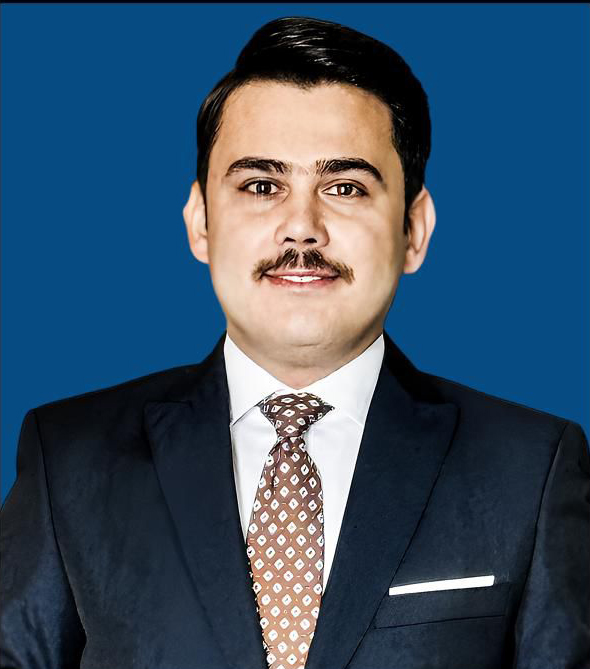
By Mohammed Gardi
When the Ninth Cabinet of the Kurdistan Regional Government (KRG), led by Prime Minister Masrour Barzani, assumed office, the Kurdistan Region was facing a series of major economic, health, and political challenges. Despite the financial crisis and the COVID-19 pandemic, this cabinet managed to implement a new strategy focused on “reform, reconstruction, and strengthening the economic infrastructure.” Today, after several years, the fingerprints of these changes are clearly visible across various sectors. For example:
Revitalizing the Agricultural and Industrial Sectors
One of the most prominent achievements of the Ninth Cabinet was shifting the Kurdistan Region’s economic direction from an oil-dependent economy to a diversified one. The Regional Government succeeded in making the agricultural sector one of the primary pillars of revenue. The “Exporting Local Products” project to global markets—such as Halabja pomegranates and other goods—restored confidence among Kurdish farmers. Furthermore, the construction of silos and factories to process local products was a strategic step toward ensuring food security, an area that had been neglected for many years.
Digital Revolution and Transparency
The Ninth Cabinet held a deep understanding of the concept of modern governance, leading to the launch of the “Service Digitization” process. Today, most government transactions are conducted electronically; this has not only saved citizens’ time but has also led to a reduction in bureaucracy and the prevention of corruption. Simultaneously, the reform process in the payroll system and the reorganization of domestic revenues have been vital parts of this agenda to establish justice and transparency.
Roads and Energy Infrastructure
Under this cabinet, “reconstruction” was not merely a slogan; it was practically implemented across all provinces and independent administrations. The completion of strategic roads has facilitated a major ease in transportation and trade. In the electricity and water sectors, the installation of smart meters has been a significant step toward improving the power supply situation.
Foreign Relations and the Region’s Global Standing
Diplomatically, the Ninth Cabinet of the KRG managed to preserve and develop the Kurdistan Region’s standing on the international stage. Visits by high-level delegations and the Prime Minister’s active participation in global forums like Davos presented Kurdistan as a stable and viable area for foreign investment. This led to attracting significant capital from Gulf countries and Europe into the Region.
Financial Revolution and the Digitalization of Salaries
One of the most vital pillars of the Ninth Cabinet—regarded as a historical turning point in the Region’s financial system—is the “My Account” (Hejimari Min) project. This project is not just a technical process for distributing salaries; it is a strategic step toward reorganizing the banking sector and integrating the Kurdistan Region into the global financial system. Through this project, thousands of employees have become owners of their own bank accounts. This not only reduces the reliance on physical cash in the market but is also a primary factor in preventing money laundering and encouraging foreign investors by ensuring the existence of a modern banking system.
Developing the Health and Pharmaceutical Sectors
In this cabinet, the health sector did not stop at building hospitals; rather, radical reforms were made regarding the quality of medicine and medical supplies. Prices were regulated through the establishment of medicine quality control, ensuring health security for citizens. Additionally, increasing the number of local pharmaceutical factories was a step toward reducing dependency on imports and creating job opportunities for medical graduates.
Education and Higher Education
The government in this cabinet has placed great importance on human development. The renovation of hundreds of schools and the construction of dozens of new educational centers, alongside changes to curricula to match the needs of the labor market, indicate that the Ninth Cabinet aims to raise a creative and productive generation. In the higher education sector, encouraging universities to conduct scientific research and linking them to the private sector has had a direct impact on raising the Region’s scientific level.
Environmental Protection and Clean Energy
While the world suffers from climate change, the Ninth Cabinet designed an intensive program for environmental protection. Increasing green spaces, constructing ponds and dams to collect rainwater, and encouraging investment in “solar energy” all reflect a green and eco-friendly vision. These steps are of absolute importance for protecting the future of Kurdistan’s coming generations and combating drought.