
Anfal mentality still lives in today’s Iraqi politics
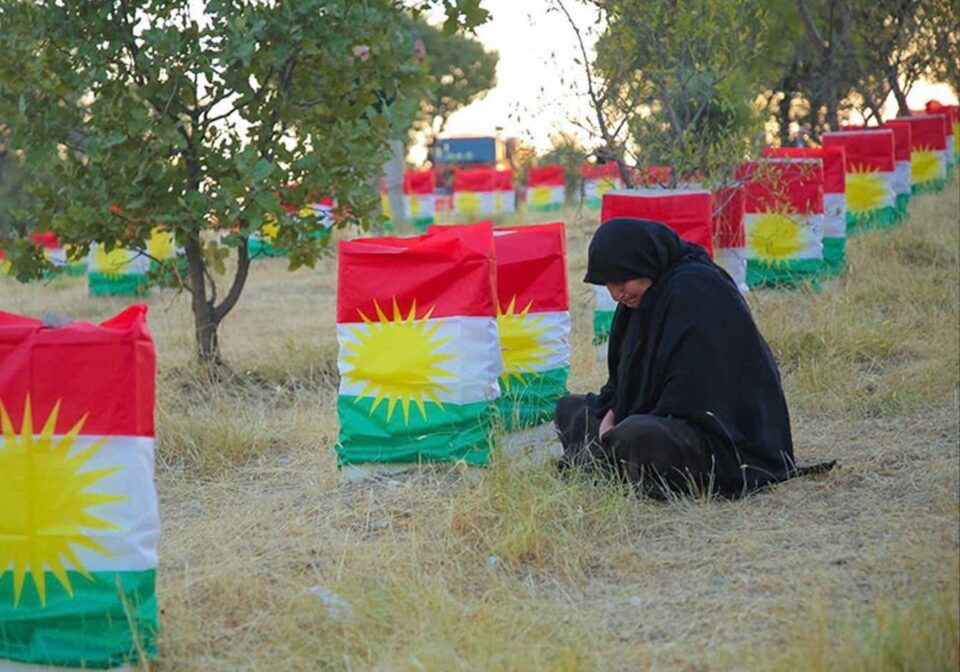
Forty-two years have passed since the Anfal campaign targeted the Barzani families — a brutal chapter that marked the beginning of the wider Kurdish Anfal campaign carried out by Iraq’s former regime in the second half of the last century. The operation unfolded in several phases, initially displacing many Barzanis from their home areas to remote camps, where they were placed under heavy security restrictions.
Before the campaign intensified, thousands of Barzanis were forcibly relocated in the 1970s to different camps across southern Iraq. In 1978, many were moved from their native areas to the detention camps of Diana, Harir, Baharka, and Goratu, where they were held under strict military control. The intent was to prepare them for the next phase—mass disappearance. In 1980, more Barzanis were transferred to the Qushtapa camp and then to two additional camps: Quds and Qadisiya.
According to official documents from the era of the former Iraqi regime, by late July and early August 1983, Iraqi intelligence and elite military units—including forces from the Republican Guard, emergency response divisions, and the Erbil security directorate—launched a highly secretive and well-coordinated operation to round up Barzanis from the detention camps.
The operation unfolded in three stages:
• Phase One (July 31, 1983): Barzanis from the Quds and Qadisiya camps in Erbil province were rounded up.
• Phase Two (August 10, 1983): Detentions extended to the camps of Harir, Diana, Baharka, and residents of Mergasor.
• Phase Three (October 1, 1983): Security forces conducted door-to-door raids in the camps, arresting those who had previously escaped detention.
The scale and secrecy of the operation are confirmed in a formal letter from the General Security Directorate, document no. 84 dated March 29, 1989, sent to the office of the Iraqi Presidency. It states that on August 1, 1983, following orders from Dr. Fadhel Barak, head of Iraqi intelligence, a large military force from the Republican Guard surrounded the Quds and Qadisiya camps and detained all Barzani men aged 15 and over. They were loaded onto large trucks and transported to Baghdad.
On the anniversary, President Masoud Barzani issued a statement, saying:
“Forty-two years ago, on a day like today, the former Iraqi regime forcibly rounded up eight thousand Barzani men—young and old, from the age of nine to ninety—and drove them into the deserts of southern Iraq, where they were brutally executed in mass killings.”
President Barzani added that: “It was part of a broader pattern of crimes committed against the Kurdish people—from the disappearance of 12,000 Feyli Kurds, to the Anfal campaigns in Garmiyan and Badinan, the chemical bombing of Halabja and other areas, and mass Arabization and forced displacement of Kurdish civilians.”
He added that the mindset behind those crimes was a chauvinist and intolerant ideology that brought disaster not only to the Kurds but to all of Iraq. “Sadly,” he said, “some still cling to that same mentality, refusing to learn from history and continuing to pursue those same failed political agendas.”
The Kurdish Globe