
Introduction:
After Erbil was named the Arab Tourism Capital in 2014, the city has continued to attract large numbers of tourists from inside Iraq and abroad every year, thanks to its many elements and different forms of sustainable tourism development. In the latest development, according to a report by the well-known travel magazine Condé Nast Traveler listing the best places to visit in Asia in 2026, Erbil was selected as one of Asia’s best tourism destinations for 2026 and described as a city worth visiting.
In terms of security and stability, the report noted that Erbil has managed to become a peaceful destination in a region often affected by instability. It offers a unique combination of ancient history and modern life, where tourists can feel safe and comfortable.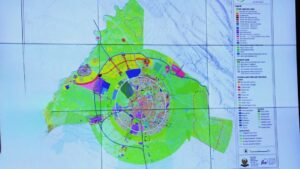
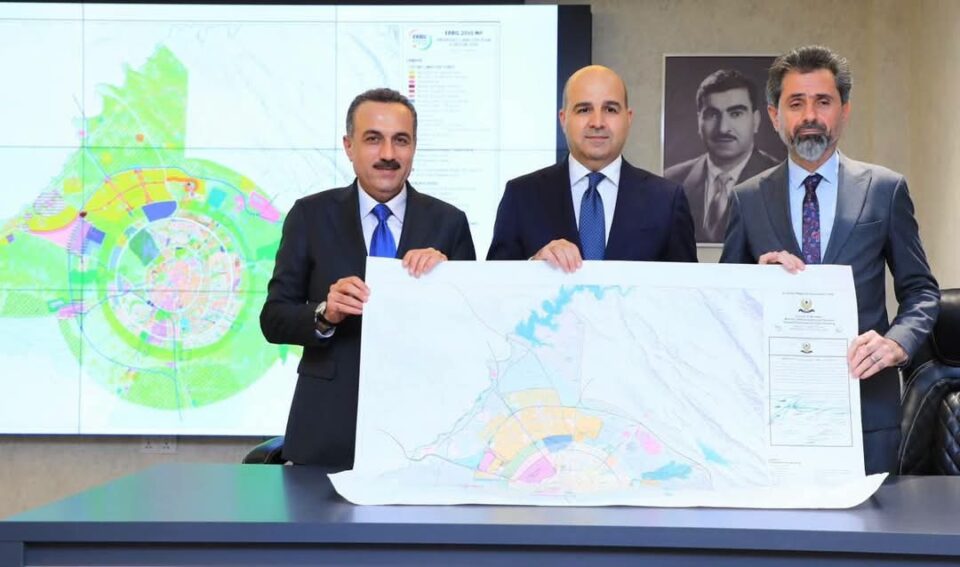
In this context, the official approval of the Erbil Master Plan 2050 on Wednesday, September 23, 2026, represents an important strategic development in the history of urban planning in the Kurdistan Region. The plan aims to create a Sustainable City and was prepared by the Ministry of Municipalities and Tourism in cooperation with the Japan International Cooperation Agency (JICA) and with the participation of a group of international experts.
This large-scale project is not only about organizing construction and infrastructure. It is a comprehensive roadmap that will have a direct and fundamental impact on shaping the future of the city’s tourism sector through four main areas:
1. Sustainable tourism development
The main philosophy of the Erbil Master Plan 2050 is based on environmental and economic sustainability. In modern tourism studies, sustainable tourism cannot be achieved without a sustainable city, properly managed water resources, and a protected environment.
The master plan scientifically considers 19 basic factors, including green belts, natural waterways, the management of groundwater, and protection against the impacts of climate change. These measures will provide the capital with healthy and green infrastructure, which can become an important foundation for attracting eco-tourists.
2. Protecting identity, history and heritage tourism
Erbil has a rich historical and archaeological identity, beginning with Erbil Citadel and the old city area. As highlighted by Condé Nast Traveler, the city combines ancient history with modern life.
One of the strongest aspects of the master plan is its emphasis on protecting the identity and history of the city and preserving archaeological areas. Regulating the limits of urban expansion according to land-use plans can prevent the loss of the city’s heritage identity and create an opportunity to market Erbil as a major destination for cultural and historical tourism at the regional level.
3. Public transport and improving the tourist experience
Modern tourism planning requires an advanced transport network. The development of a public transport strategy, the airport, future roads, and even the consideration of a railway station in the 2050 Master Plan will make the movement of tourists inside and outside the city much easier and faster.
Accessibility is one of the key factors that influence tourists when deciding which destination to choose for their trips.
4. Economic diversification and job creation in tourism
One of the main goals of the master plan is to improve living standards and support economic growth. Tourism, as a modern industry, helps activate many other economic sectors.
The development of main and secondary employment centers and the provision of high-quality services will create an important opportunity for both local and foreign investment in tourism-related facilities such as hotels, guesthouses, family resorts, conference centers, event venues, and other tourism businesses.
In conclusion, the Erbil Master Plan 2050 is not simply an administrative or urban planning document. It represents the development of a global identity for the city of Erbil.
If the project is implemented carefully and according to its planned stages, Erbil can develop from an ordinary city into a sustainable and modern capital capable of competing with advanced cities around the world. It can also become a major and highly competitive tourism hub in the Middle East.
Gharib Ali Salim