
Kurdish Consensus and Unifying Political Discourse
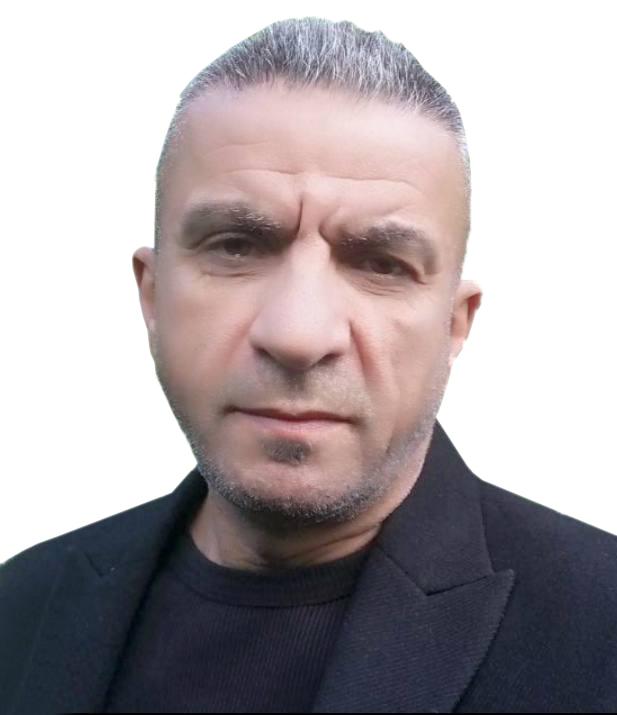
Saadula Aqrawi
Kurdistan is greater than any political party, government, or individual. Its preservation is a national responsibility and a historic obligation shared by all Kurds.
Yes, the Kurdistan Region is the result of decades of struggle, sacrifice, and the aspirations of generations who sought freedom, dignity, self-government, and political recognition. These achievements must be protected through democratic institutions, economic development, social cohesion, and responsible political leadership. Preserving Kurdistan is not simply a responsibility of political parties; it is a shared responsibility of the government, parliament, civil society, intellectuals, business leaders, and every citizen..
I believe that one of the most important steps toward protecting the Kurdistan Region is achieving genuine political consensus among Kurdish parties. Political differences are natural in any democratic society, and political competition can contribute to institutional development. However, when disagreements become obstacles to government formation, parliamentary work, public services, and strategic decision-making, the entire Region pays the price.
Kurdish political parties must recognize that the future of Kurdistan is greater than the interests of any individual party. They must establish a common political framework based on mutual respect, constitutional principles, democratic competition, and the protection of the Region’s rights. And another essential requirement for preserving the Kurdistan Region is developing a unified Kurdish political discourse, particularly regarding strategic national and constitutional issues.
Kurdish parties may have different political programmes, alliances, and perspectives. Nevertheless, they need a common position on matters concerning the Region’s constitutional rights, relations with the federal government in Baghdad, economic interests, security, and international relations. A unified political discourse would strengthen Kurdistan’s ability to negotiate with Baghdad and engage with regional and international partners. It would also provide greater clarity and confidence to the international community regarding the Region’s political direction. Unity, however, must not be confused with political uniformity. Democracy requires diversity, criticism, and competition. The objective should be to establish common national principles while preserving the legitimate political differences of the parties. The Kurdistan Region needs a comprehensive development strategy that connects political stability with economic modernization and social progress.
Its natural resources, geographical position, human capital, and economic potential can provide opportunities for long-term development. However, achieving this potential requires institutional reform, investment, economic diversification, and a stable relationship with the federal government of Iraq. The challenges facing Kurdistan cannot be addressed through individual political interests or temporary agreements. They require collective responsibility, political maturity, and a genuine commitment to the interests of the Kurdish people. .the time has come to put the public interest above partisan interests, transform political differences into constructive dialogue, and build a government that serves the people rather than the people serving political power
Yes, I believe that the Kurdistan Region of Iraq stands at an important crossroads in its political, economic, and social development. Preserving the Region’s constitutional status, political achievements, security, and institutional stability requires serious efforts, a shared national vision, and a new approach to governance. .the strong Kurdistan is one with strong institutions, a united political vision, a diversified economy, social justice, and citizens who enjoy freedom, dignity, and equal opportunities. This is the foundation upon which the future generations of Kurdistan can build a more stable, prosperous, and democratic society.