
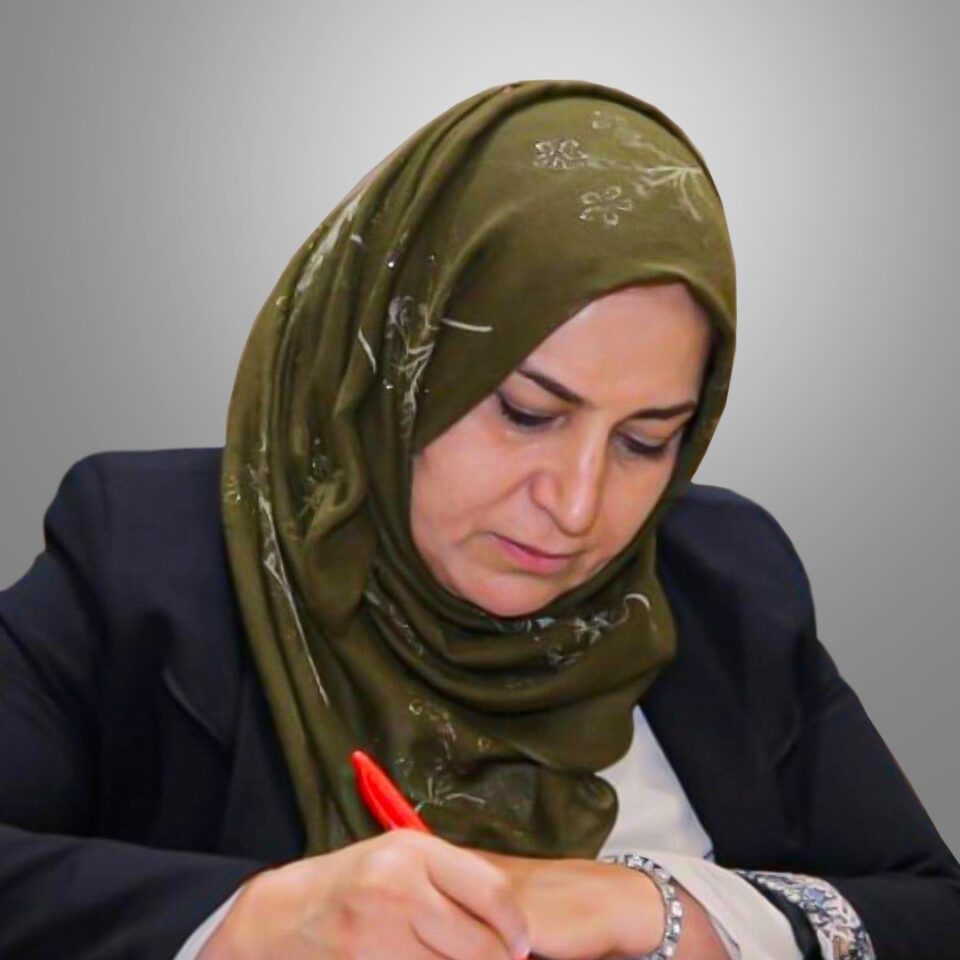
By | Dr. Nazaket Hussen
Iraq is a deeply pluralistic country, shaped by religious, linguistic, and ethnic diversity. Managing this diversity has never been easy, particularly in a Middle Eastern environment marked by wars, crises, and prolonged instability. In the aftermath of Iraq’s liberation, a political understanding emerged to prevent fragmentation and ensure participation. This understanding accompanied the formation of the first post-2003 cabinet, the recognition of federalism, and the election of the first parliament. It established an informal but enduring power-sharing arrangement among Iraq’s three main components: Kurds, Shiites, and Sunnis.
Despite repeated crises and political tensions, this arrangement has largely held. Disputes have been frequent, but they have not reached a point where the core political agreement has collapsed. Within this framework, the presidency of the Federal Republic of Iraq has become the recognized constitutional share of the Kurds—a position that carries symbolic weight beyond its formal powers.
The true importance of the presidency lies not in executive authority, but in its role as guardian of the constitution. That constitution was endorsed by Iraqis of all backgrounds and was meant to guarantee rights, balance, and partnership. Yet compliance with many of its provisions remains weak, particularly those related to Kurdish constitutional rights and federal entitlements.
As parliament prepares to vote on a new president later this month, it is natural that several Kurdish candidates have stepped forward. This reflects both democratic competition and the constitutional reality that the position belongs to the Kurdish component. Every Kurdish citizen has the right to run. What matters most, however, is political maturity: reaching consensus on a single candidate. Failure to do so could delay the process and weaken the Kurdish position at a critical moment.
Finally, regional and international actors observing Iraq—along with embassies and diplomatic missions—should support a political process grounded in partnership, balance, and consensus. Such principles are essential for stable governance. Iraq’s stability is not only a national necessity; it is a cornerstone for wider regional peace. Supporting a genuine peace process that restores stability across the region is no longer optional—it is urgent.