
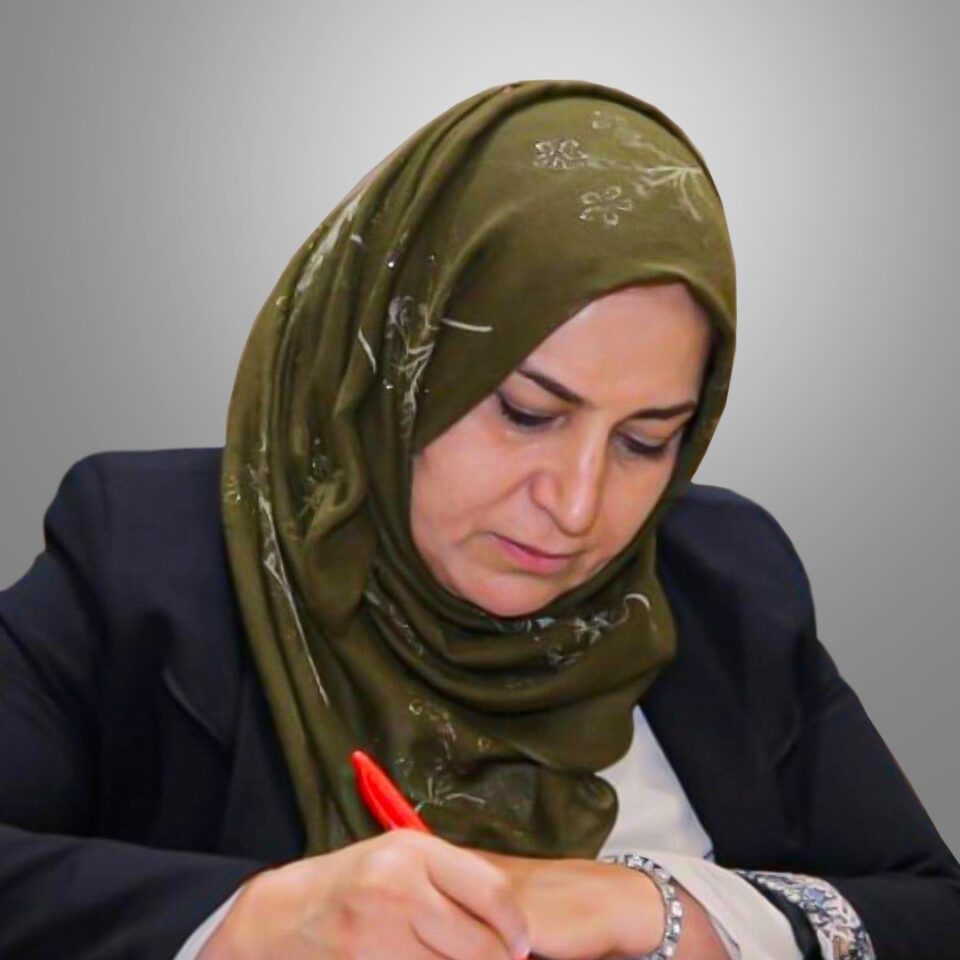
By | Dr. Nazaket Hussen
The formation of Iraq’s new government cabinet represents a crucial gateway to political stability and institutional recovery. Compared with previous electoral cycles, the results of the sixth parliamentary election were accepted more swiftly and with fewer disputes by political parties, alliances, and factions. This relatively smooth acceptance marked a notable shift in political behavior and signaled a growing recognition that prolonged contestation no longer serves the country’s fragile circumstances.
Rather than engaging in actions that produced little outcome, political actors turned their attention to the practical task of government formation. In a country burdened by repeated crises and characterized by ethnic, national, and political diversity, this approach should be welcomed as a positive step in the democratic process. It reflects an emerging willingness to prioritize stability and governance over obstruction, allowing parliament to begin its work promptly and enabling the cabinet to take shape without unnecessary delay.
However, the importance of this moment goes beyond the mechanics of forming a government. It should be treated as a platform for broader national advancement. Iraq urgently needs to strengthen state institutions, improve public services, compensate communities for losses endured during years of authoritarian rule and conflict, and accelerate the reconstruction and development of cities across the country. Long-standing unresolved files must also be addressed with seriousness and transparency, as postponement has only deepened public mistrust.
Economic opportunity is another critical dimension. Iraq possesses vast natural resources, particularly in the oil and gas sectors, and is capable of playing a larger role in meeting global energy demand. Expanding production and investment can provide the financial foundation for development, but only if these resources are managed through consensus among all Iraqis. Federal governance must be respected, with clear guarantees for the rights of regions, especially the Kurdistan Region. The Kurdistan Region’s relative political stability and economic progress have shown that decentralization can serve as a source of strength, not division, for Iraq as a whole.
The post-election period must therefore mark a departure from excessive centralization. A centralized system has repeatedly benefited certain groups while marginalizing others, fostering resentment and instability. Weakening Kurdish political partners or mishandling the Kurdistan Region’s financial files and public-sector salaries not only undermines federal principles but also damages Iraq’s national image and unity.
If Iraq is to emerge stronger from this election, the new government must embrace partnership, federalism, and equitable governance. Stability will not be achieved merely by forming a cabinet, but by using that cabinet as an instrument for inclusion, development, and genuine reform.