
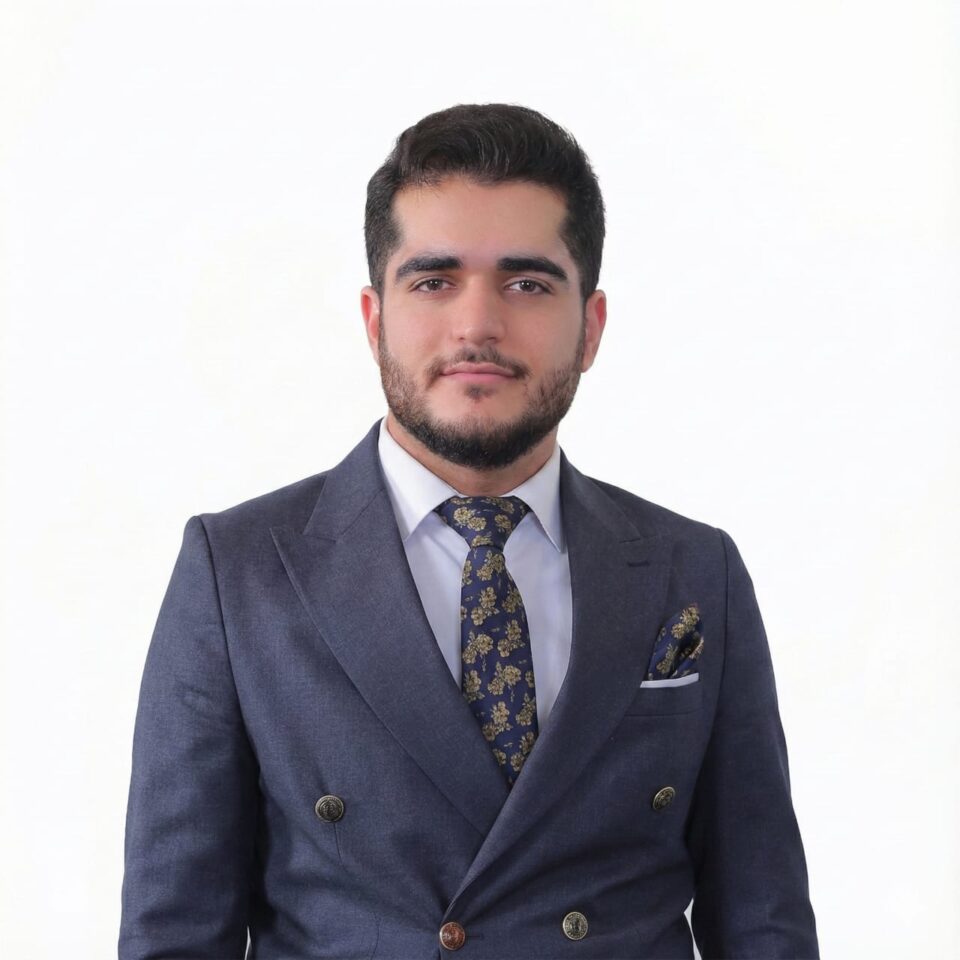
By Ismail Abdullah Ahmed
For more than a decade, the financial lifeline between Baghdad and Erbil has hung on a compromise that everyone knew was temporary, yet somehow became permanent. We operated on the 12.67% figure not because it was true, but because it was safe—a political placeholder born from the old food rationing cards rather than the reality on the ground. But the November 2024 census changed the texture of that conversation overnight. When the data finally cleared, confirming that the Kurdistan Region actually holds 14% of Iraq’s population, the comfortable ambiguity of the old deals evaporated. We are now looking at a hard, quantifiable gap: a 1.33% deficit that separates the people living here from the federal funds constitutionally owed to them.
To an outsider, a percent and a fraction might look like a rounding error, a margin of dust in the massive machinery of state finance. But here, on the ground, that 1.33% is heavy. When you run the numbers against the 2025 federal spending targets—which hover near the 200 trillion dinar mark—that missing sliver swells into a loss of roughly 2.6 trillion dinars, or about $2 billion annually. That isn’t just accounting; that is the entire operational margin for a government trying to stabilize its payroll. We are watching a system where the federal cap is effectively enforcing a demographic discount, withholding liquidity that matches the actual service burden of the 6.1 million people waking up in the Kurdistan Region every morning.
The human cost of this math is visible in the monthly scramble for liquidity. Public sector salaries, the heartbeat of the local market, require a steady injection of over 900 billion dinars every thirty days. Because the budget laws haven’t yet pivoted to match the census, we see a chronic shortfall that makes every month unpredictable. The federal transfers arrive calculated for a smaller population than the one that actually exists. It’s like trying to feed a family of fourteen with a budget calculated for twelve; eventually, the pantry goes empty before the month ends. This disconnect has forced policymakers in Erbil into a defensive crouch, prioritizing the wage bill above everything else, leaving capital investments and infrastructure projects to wither on the vine.
What makes this particularly stinging is the investment disparity. While southern provinces see per capita allocations that more closely track their headcount, a citizen in the Kurdistan Region is mathematically undervalued by the federal ledger. The money that should be paving roads or upgrading power grids is simply disappearing into that 1.33% void. Furthermore, when Baghdad deducts non-oil revenue settlements, they charge the Region based on the debts of a full partner while funding it as a partial one.
Correcting this isn’t about asking for favors; it’s about aligning the law with the headcount. The transition from a negotiated political share to a census-based entitlement is the only way to close that $2 billion gap. If the federal budget tables aren’t rewritten to acknowledge that 14% reality, we aren’t just facing a fiscal problem. We are facing a structural failure that punishes growth and keeps the Kurdistan Region locked in a cycle of manufactured crisis, waiting for money that is already, by rights, ours.