One of the most notable aspects of Kurdish culture is the dedication to preserving unique traditions, including their ancient cuisine. This commitment is evident not only in homes but also in restaurants, where there is growing demand for authentic Kurdish dishes.
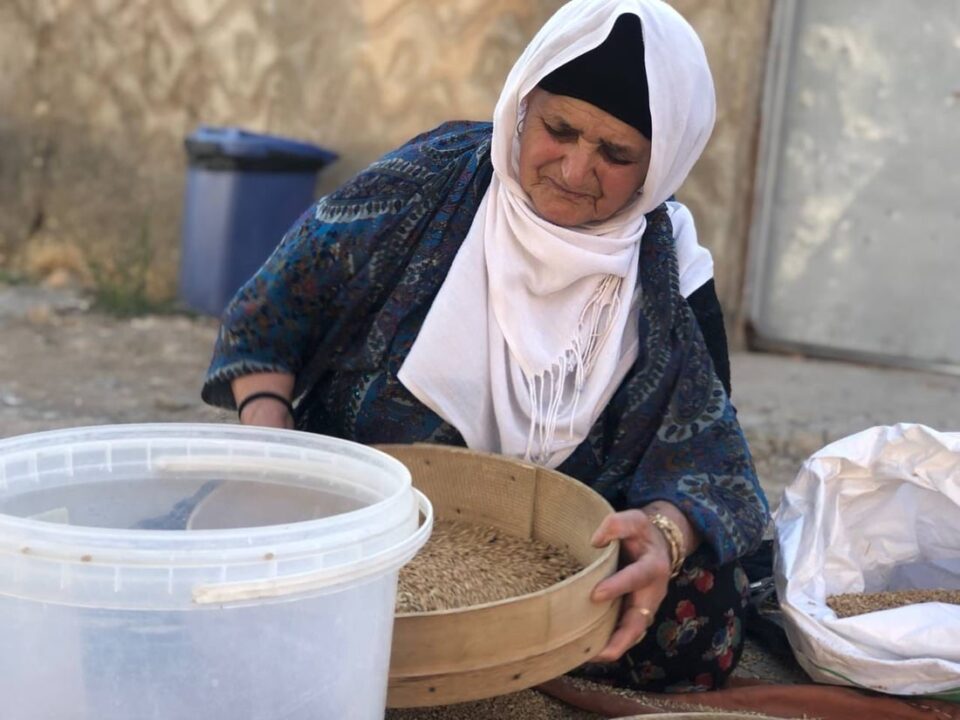
Among these traditional foods, Doyne stands out as a rare and beloved dish still prepared by Kurdish households today. Typically made from spring through the end of summer, Doyne can also be enjoyed during winter. Its preparation is simpler than many other Kurdish dishes but requires care and patience. Wheat is first washed and boiled, then left to dry for two days in the sunlight. Once dried, the wheat is ground at a mill. A thick yogurt is prepared separately and left to ferment for at least five to seven days, developing a sour and pleasant flavor, before being sun-dried.
Doctors and nutritionists highlight several health benefits of Doyne. It provides energy, supports metabolism and blood circulation, and is rich in vitamins, minerals, and fiber, especially B vitamins, which are vital for brain and nervous system health. Its low-calorie and high-fiber content make it ideal for weight management, helping to promote fullness and prevent obesity. Additionally, Doyne strengthens the immune system, aids in fighting seasonal illnesses, and may offer protective benefits against certain types of cancer, including breast and prostate cancer. It is also known to help manage high blood pressure.
With its unique preparation, rich flavor, and health benefits, Doyne remains a cherished part of Kurdish culinary heritage and a testament to the community’s dedication to preserving tradition.