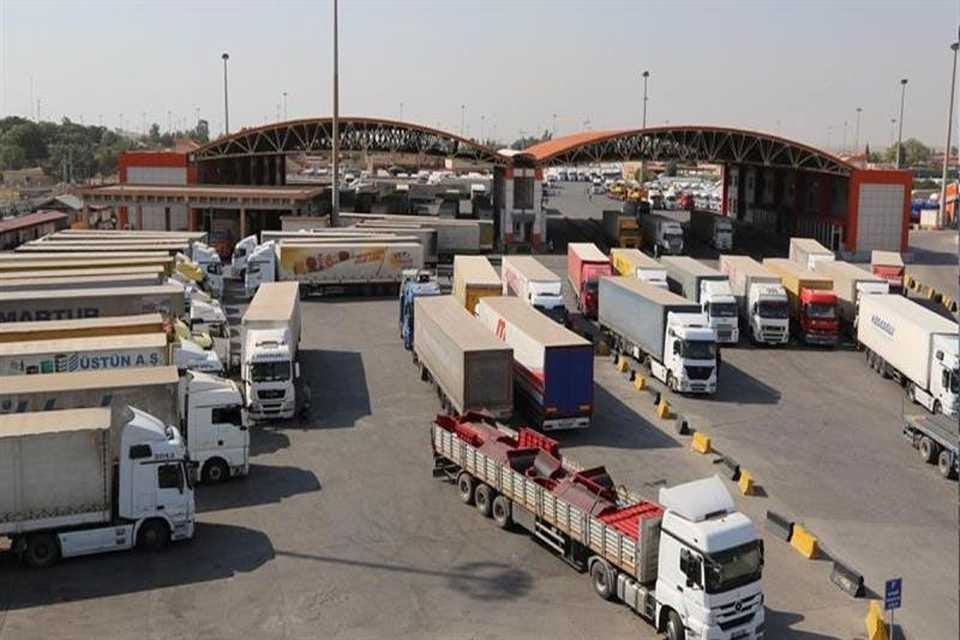
Erbil and Baghdad have reached an agreement on customs revenue sharing and the implementation of the ASYCUDA customs management system following several rounds of discussions between the Kurdistan Regional Government (KRG) and the Iraqi Federal Government.
KRG Minister of Interior Reber Ahmed said the two sides had resolved the remaining disagreements over customs revenues, agreeing to divide border-crossing revenues equally, with 50 percent allocated to the Kurdistan Region and 50 percent to the federal government.
Ahmed said the agreement was reached after several meetings conducted under the supervision of KRG Prime Minister Masrour Barzani. He also called for the removal of internal customs checkpoints between the Kurdistan Region and other Iraqi governorates, describing them as unnecessary and unconstitutional.
According to the minister, implementing ASYCUDA will simplify customs procedures, facilitate trade, and help strengthen commercial activity. The system will also introduce a more standardized and technology-based process for companies importing goods through Iraqi border crossings.
Companies seeking an ASYCUDA code will generally need a valid tax identification number and supporting documents from the Directorate of Company Registration. Officials said the process is expected to take no more than five days.
Special arrangements have also been made for companies in the Kurdistan Region. Businesses that provide the required tax and company registration documents to Baghdad will be able to obtain ASYCUDA codes and use them to import goods, including on behalf of companies that have not yet registered in the system.
ASYCUDA is already used in more than 100 countries and regions worldwide. Under the agreement, the system is expected to be implemented at border crossings across the Kurdistan Region as part of a broader effort to modernize Iraq’s customs system and facilitate trade.