
How Kurdistan overcame decades of food shortages to build a resilient agricultural system and ensure nourishment for all citizens.
Food security stands as a cornerstone of any nation’s stability and well-being. When every citizen, regardless of gender, social class, or income, has guaranteed access to sufficient, nutritious food, it not only reduces the threat of hunger but also curbs anxiety, social unrest, and crime. This fundamental need is what the Kurdistan Region has been striving toward—and achieving—in recent decades.
The story of Kurdistan’s journey toward food security is a powerful testament to resilience and vision. During the 1990s and the years that followed, the region endured severe food crises brought on by conflict, displacement, and economic hardship. Scarcity of essential food items caused deep hardship for families and communities, leaving lasting marks on the collective memory.
Yet today, the landscape has shifted dramatically. Kurdish Globe’s investigations reveal that the Kurdistan Region has maintained wheat self-sufficiency for over ten years, producing more than enough wheat to meet local demand—even in drought years. Surplus grain is regularly stored and distributed, marking a monumental shift from scarcity to abundance.
Azad Karim, a wheat farmer from Erbil, reflects on the transformation: “Our land has always been fertile, but for years we struggled to feed our families and neighbors. Now, we harvest enough wheat to supply entire communities. It’s a source of pride and relief for all of us.”
Kurdistan’s agricultural wealth, characterized by fertile soil and expansive farming land, places it among the region’s leading producers. Wheat, the backbone of daily nutrition, serves as a vital staple, feeding families directly and supporting a wide range of processed food products. Understanding this, the Kurdistan Regional Government (KRG) has invested heavily in building storage infrastructure, which today includes nearly one million tons of wheat capacity held in modern silos across the region.
These silos are more than just storage—they are bulwarks against hunger and instability. Recently completed projects include a 40,000-ton silo in Koshtapa near Erbil, built at a cost of 21 billion dinars. Kalar in Sulaymaniyah province hosts a similar facility valued at 20 billion dinars. In Bardarash, Dohuk province, a silo costing 18 billion dinars was completed, and Halabja is currently witnessing the construction of a 40,000-ton silo project valued at 26 billion dinars.
“The creation of these silos means farmers like me can safely store our harvests instead of rushing to sell at low prices or losing crops to spoilage,” explains Shilan Hassan, a farmer from Dohuk. “It has transformed how we plan and sustain our livelihoods.”
But securing the harvest is only one part of the puzzle. Historically, surplus produce often went to waste due to limited market access and infrastructure. This frustrated farmers who invested time and effort only to see their products discarded. Recognizing this, Prime Minister Masrour Barzani’s government prioritized creating robust local food industries and expanding export markets.
The KRG’s ninth cabinet launched several initiatives to process agricultural products domestically, thereby extending shelf life and adding value. These efforts opened pathways to international markets, significantly reducing waste and boosting farmers’ incomes.
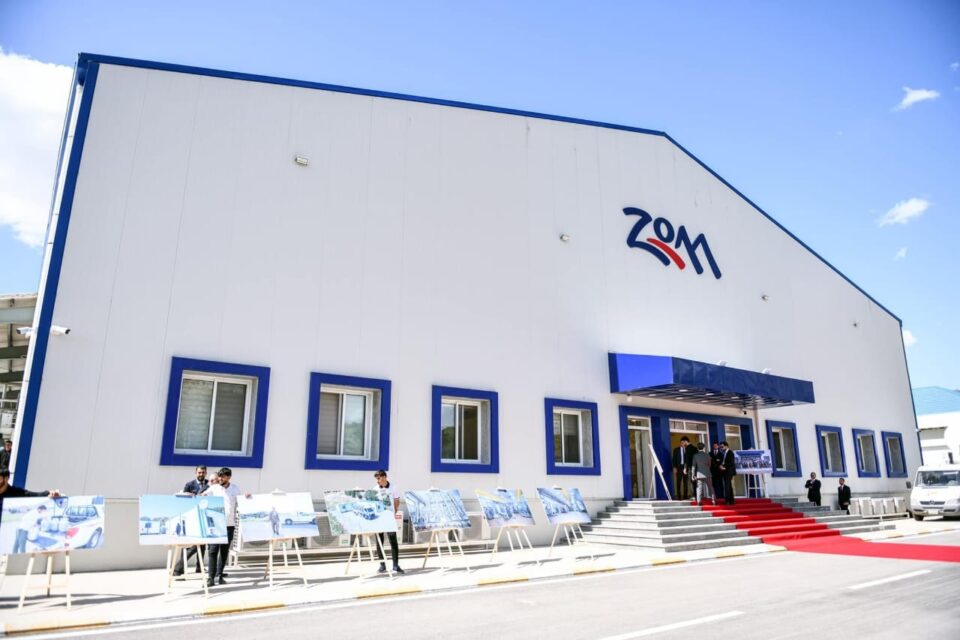
President Nechirvan Barzani spearheaded the revitalization of the Zom dairy factory, a landmark in Kurdistan’s food industry. The factory, occupying 13,046 square meters and outfitted with cutting-edge equipment, produces 20 tons of dairy products daily with plans to reach 50 tons. Zom supports over 2,700 families connected to milk production and dairy farming.
Quality control is paramount at Zom. The factory includes an on-site laboratory that rigorously tests incoming milk and outgoing products to ensure high health standards and safety. Such measures guarantee that consumers receive fresh and wholesome food.
Beyond production and storage, the government continues to explore ways to enhance food security, including encouraging farmers with subsidies, technical training, and incentives to diversify crops and adopt sustainable practices.
“Food security is about more than just numbers,” says Dr. Hana Abdullah, a food security expert. “It touches every aspect of life—economic, social, and even cultural. The strides Kurdistan has made show how dedicated policy, combined with community effort, can overcome adversity.”
Today, Kurdistan stands as a beacon of agricultural success and food security in the region. The combined efforts of farmers, government, and entrepreneurs have built a resilient system that promises nourishment and stability for generations to come.
From the hardships of the past to the silos and factories of the present, Kurdistan’s food security journey is a powerful reminder: with determination and smart planning, hunger can be defeated and a sustainable future can flourish.