
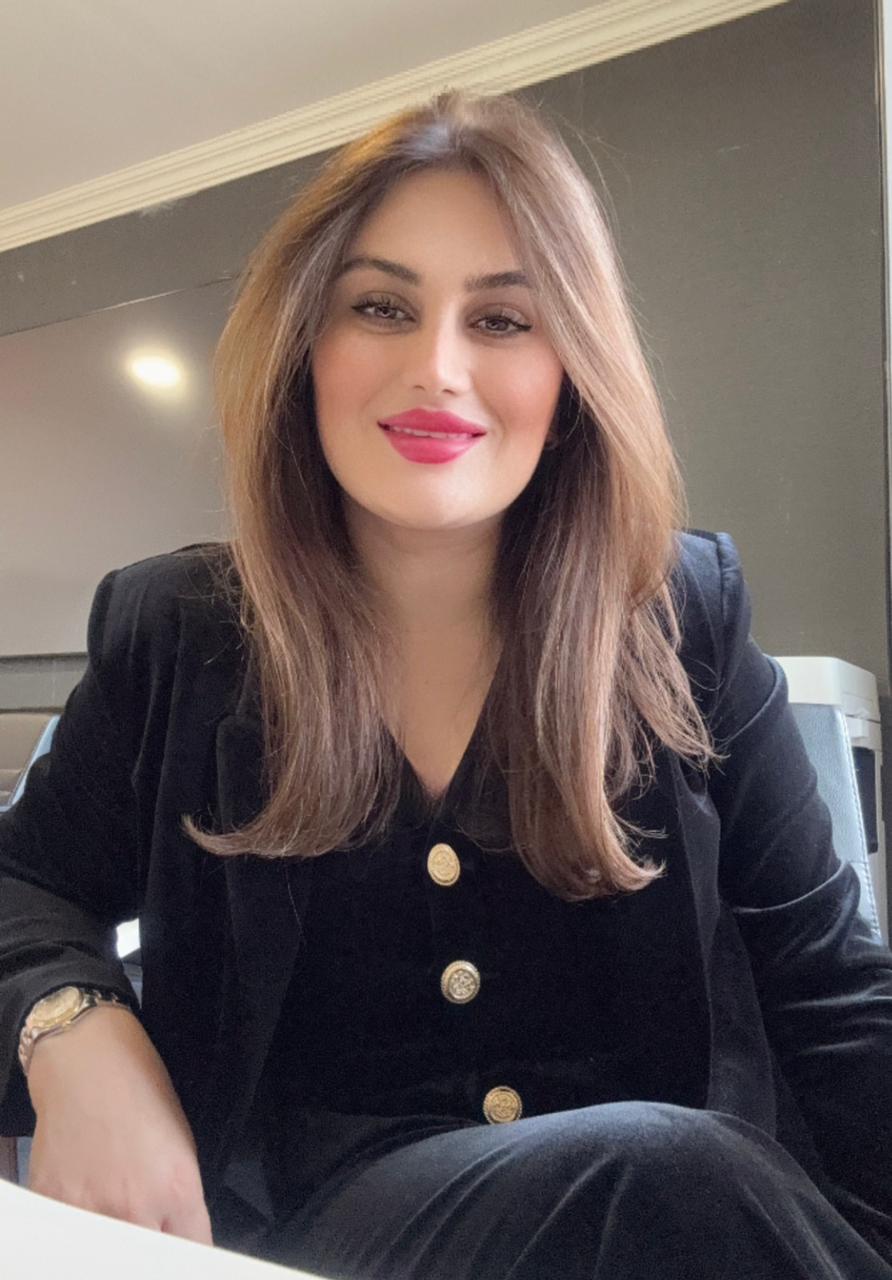
By Fenik yaseen
In the heart of the Middle East, among the ancient mountains and bustling cities of the Kurdistan Region of Iraq, a quiet revolution is taking place one powered not by politics or oil, but by innovation. A growing number of young entrepreneurs are transforming the region’s economy and identity through startups, bringing fresh energy to a society still healing from decades of conflict and hardship. Over the past 20 years, Kurdistan has faced immense challenges economic crises, political uncertainty, and the aftermath of ISIS war. But in cities across the region, a new generation is taking a different path: building solutions instead of waiting for them. “I didn’t want to leave Kurdistan to find opportunities I wanted to create them here,” says a 25- year-old entrepreneur from Erbil who founded a green-tech startup that builds solar-powered irrigation systems for local farmers. “There are so many problems here, but every problem is also a business opportunity.” Local innovation hubs and training programs have become launchpads for these young dreamers. By offering mentorship, co-working spaces, and support with business development, these initiatives have helped dozens of startups get off the ground. Recent success stories include a local e-commerce platform delivering regionally made products across Iraq; a student-designed app that helps university peers track classes and assignments; and a tech group offering coding workshops for youth in underserved areas. These startups aren’t just making money they’re solving local challenges and creating jobs. Despite the enthusiasm, entrepreneurs face significant barriers particularly limited access to capital, underdeveloped infrastructure, and bureaucratic hurdles. Yet this is precisely where leadership has played a critical role. President Nechirvan Barzani among many other leaders has been instrumental in creating an environment where young innovators can thrive. Over the past two decades, his focus on economic diversification, private sector development, and youth empowerment has laid the groundwork for a startup ecosystem in Kurdistan. Under his leadership, the government has introduced targeted startup funding, grant programs, entrepreneurship competitions, and partnerships with international organizations to support local business growth. “Getting funding is the hardest part,” says the co-founder of a small digital business. “Banks don’t support small companies, and many investors are still skeptical.” But thanks to Nechirvan Barzani’s continued support, many startups have secured initial capital through public-private initiatives and government-backed funds. A notable and encouraging trend in this transformation is the increasing role of women in the workforce. Over the last two decades, more women in Kurdistan have entered the labor market— particularly in education, health, tech, and business sectors. Female-led startups are emerging, many of which focus on social impact, digital services, and creative industries. This shift is supported by inclusive policies, access to higher education, and dedicated women’s empowerment programs launched or supported under Barzani’s leadership. As societal attitudes evolve, women are becoming vital contributors to the region’s economic growth and innovation landscape. What’s perhaps most exciting is the cultural shift behind this trend. In a region where traditional career paths in government or oil once dominated, startups are changing how young people view success. Families are becoming more supportive. Educational institutions are beginning to promote entrepreneurship. Networking events and startup showcases are emerging as platforms for young voices and new ideas. “Young people here are tired of waiting for change,” says a local business mentor. “Now, they’re creating it themselves.” As the startup ecosystem matures, there’s real potential for Kurdistan to become a center of innovation—not just in Iraq, but across the Middle East. With a young, educated population, forward-thinking leadership, and a growing appetite for change, the foundation is already being built. For Kurdistan, the future may not be written in oil or conflict but in code, creativity, and the courage to build something new.