
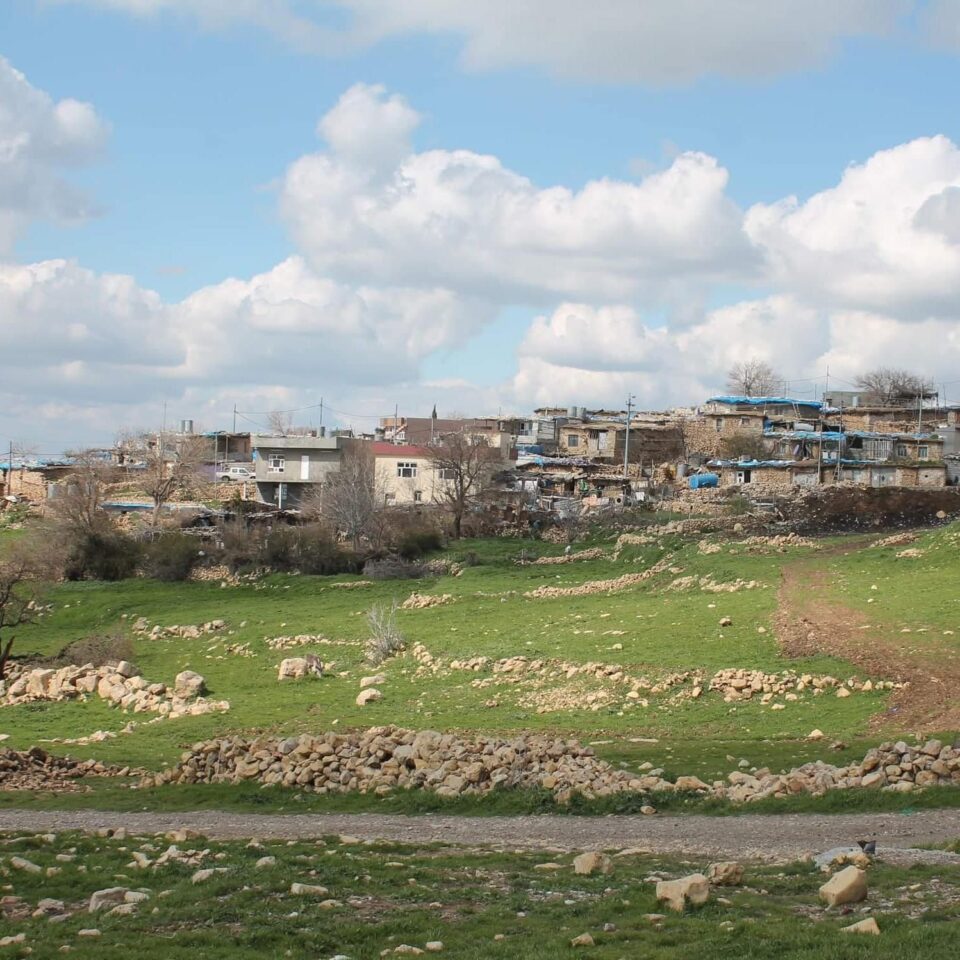
An ancient settlement near Chamchamal known for heritage, martyrs, and natural beauty.
Nestled southeast of the Aghjelar district, the village of Gawrade stands as a quiet witness to centuries of history, resilience, and sacrifice. Located about 11 kilometers from Aghjelar and overlooking the surrounding plains, the village is bordered by Bazian, Dagazen, and Gopala to the south, Tabin, Timar, and Surdash to the north, and Awalan village nearby.
Gawrade’s name carries multiple interpretations. Local accounts suggest that the village may once have been home to Jewish families, a possibility reflected in the name itself. Others believe the name is rooted in the area’s geographic and cultural past, underscoring the village’s long-standing role as a crossroads of communities.
The village’s history stretches deep into antiquity. One of its most notable landmarks is the Cave of the Boy and the Girl, an ancient site whose origins, according to a Dutch-German research organization, date back to the Sassanid era between 60 and 632 AD. This places Gawrade among the historically significant settlements of the region.
Residents of Gawrade trace their lineage to Sayid Mohammad Zahid, a respected religious figure, reflecting the village’s strong spiritual and social roots. About 35 years ago, nearly 100 families lived in the village, forming a close-knit rural community.
Gawrade has also paid a heavy price in Kurdistan’s modern struggles. The village lost 23 martyrs during the September and Gulan uprisings and the Anfal campaign, a legacy that remains deeply etched in local memory.
Religious life has long played a central role in the village. The majority of residents are Muslim, and a mosque has served the community for more than 80 years, standing as a symbol of continuity and faith.
Nature remains one of Gawrade’s defining features. Several natural springs—including Bahar, Maran, Borak, and Jloglal—have sustained the village for generations. Gawrade is also well known for its agricultural produce, particularly grapes and walnuts, alongside other natural products unique to the area.
Each year, especially during harvest season, visitors travel to Gawrade to enjoy its landscape, products, and rural charm. For many, the village represents more than a destination—it is a living reminder of Kurdistan’s deep history, enduring culture, and the quiet strength of its rural communities.