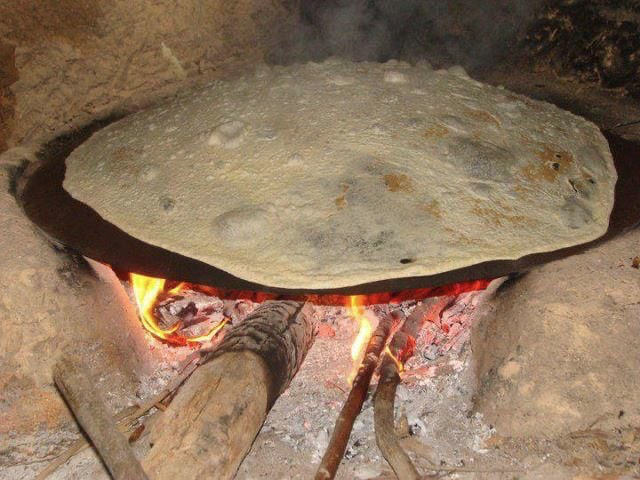
In the mountainous region of Hawraman, known for its rich cultural heritage and agricultural abundance, one traditional food continues to hold a special place across Kurdistan: Hawrami bread.
Kurdish women have long been celebrated for their craftsmanship, particularly in bread-making, a skill passed down through generations. Across Kurdistan, homemade bread — often baked in traditional tandoors — remains more popular than factory-produced or machine-baked varieties. Among these, Hawrami bread stands out as one of the most sought-after types.
Hawraman itself is renowned for its distinctive local products, including pomegranates, vinegar and walnuts, as well as its unique clothing traditions. Yet its bread has become one of the region’s most recognisable culinary symbols.
According to local experts, Hawrami bread dates back centuries to a time when bread in the region was made exclusively using traditional methods. Known for its distinctive taste and texture, it continues to be regarded by many as unmatched by other types of bread. However, experienced bakers note that the process is labour-intensive and increasingly rare due to the convenience of modern bakeries and automatic ovens.
Cost is another factor limiting production. Bakers say that using one standard unit of flour yields approximately 700 loaves of Hawrami bread. Producing this amount requires two gas cylinders in addition to significant manual effort. As the cost of flour and gas continues to rise, the final product is often more expensive and less available in markets compared to regular bread.
Social changes have also influenced its production. Urban expansion and migration have altered traditional lifestyles in Hawraman. Nevertheless, the bread’s popularity persists — and in some areas, is even growing. Women from Eastern Kurdistan have learned the craft and now sell Hawrami bread commercially. Each day, women from the village of Dizawer in Iran, near the border with Tawela, transport baskets of freshly baked bread to sell in the Tawela market.
Health considerations have further increased demand. While the basic ingredients of Hawrami bread are similar to those of standard bread, experts say the key difference lies in the absence of added soda and reduced use of commercial yeast. Health specialists argue that many industrially baked breads rely on higher quantities of yeast and baking soda to accelerate the rising process, which may contribute to digestive discomfort and other gastrointestinal issues.
In contrast, Hawrami bread is prepared without added soda and is widely regarded as easier to digest. For individuals experiencing digestive problems, it is often considered a healthier alternative.
As interest in natural and traditional foods continues to grow, Hawrami bread remains both a cultural treasure and a symbol of Kurdish culinary heritage — preserving the taste of the past while meeting the health concerns of the present.