
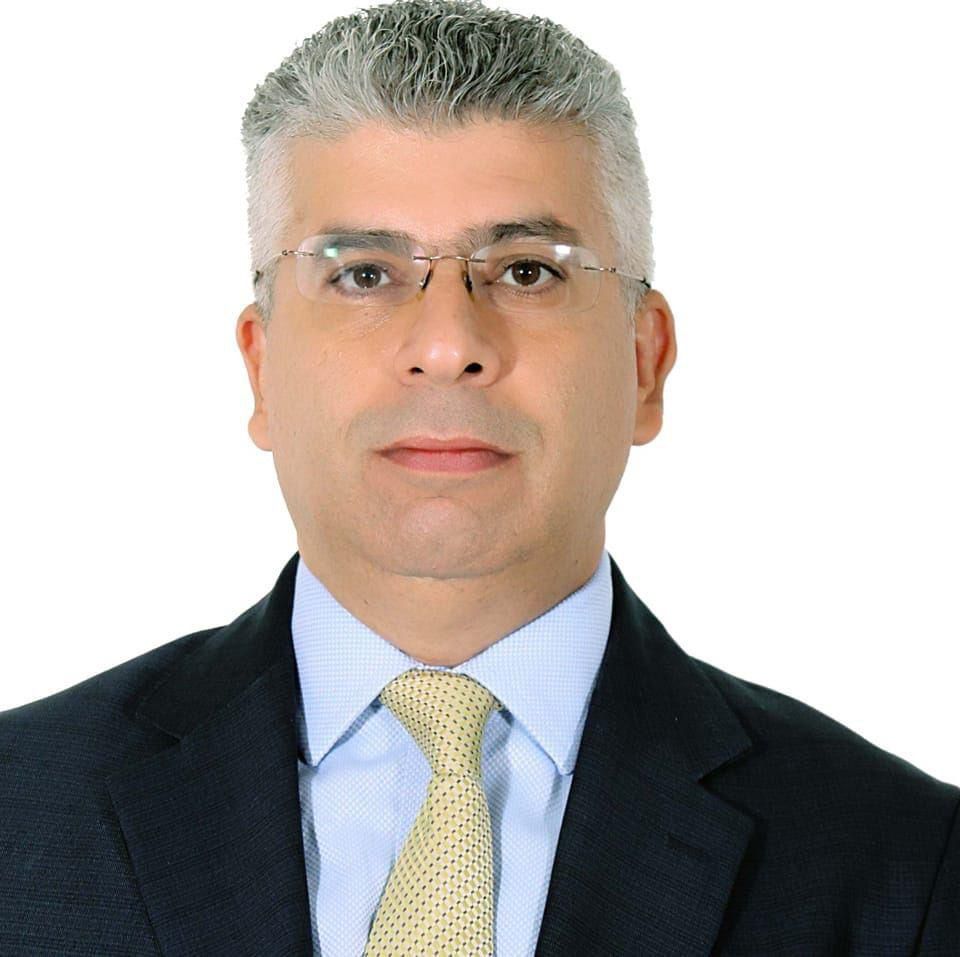
Dr. Miran Hussein
The institutionalization of state institutions is a fundamental pillar of reform aimed at enhancing institutional capacity across all entities, particularly governmental bodies.
Globally, this process is carried out in phased stages, and the outcomes of such reforms are long-term in nature; that is, the results are not immediate, but rather materialize after passing through successive stages of institutional restructuring.
The institutionalization of official entities entails transforming their operational framework from reliance on individuals, political parties, and personal relations into formal institutions grounded in legal frameworks and clear, well-defined administrative procedures. Such institutions maintain the same level of performance regardless of leadership changes. Broadly speaking, it means fortifying the legal, administrative, and regulatory foundations that govern the work of institutions and reinforce their independence. This enables them to perform their duties on an ongoing and organized basis in accordance with standards of competence, accountability, and the rule of law, free from the influence of personal, partisan, and factional interests.
For years, the Kurdistan Regional Government (KRG) has been actively engaged in institutionalizing its entities and seeking to reorganize operations across all sectors, ensuring that these institutions deliver optimal services to citizens.
Under the Ninth Cabinet, the Kurdistan Regional Government has taken decisive steps toward institutionalizing key sectors directly impacting citizens’ daily lives—such as electricity, banking, taxation, and various other fields. These initiatives aim, on the one hand, to reduce bureaucratic routine and expenditures while providing the highest quality of service; on the other hand, they work to enhance governmental capacities. Although such structural reforms are inherently long-term, reforms across Kurdistan Region institutions have yielded direct, tangible results affecting both the functioning of these bodies and the lives of citizens.
Most importantly, it has demonstrated the genuine political will and determination within the Kurdistan Regional Government to carry out reforms within state institutions. This fosters greater public confidence in government bodies, evidencing a commitment from the government to enact real change.
One of the major achievements of the Ninth Cabinet has been the unification of the Peshmerga forces within the framework of an official military institution—the Ministry of Peshmerga Affairs. Equally significant is removing them from partisan influence and hegemony, and establishing a professional military institution for the Peshmerga forces, who symbolize the struggle and sacrifices of the Kurdish people. Having fought for decades for the liberation of the Kurdish people, these forces deserve to stand as a strong national symbol and an exemplary source of pride on the global stage, operating with impeccable administrative standards commensurate with the profound sacrifices made for the freedom and liberation of the Kurdish nation.
Institutionalizing the Peshmerga forces within an official national framework directly strengthens the Kurdistan Region. Consolidating governmental authority reinforces official governance across the Kurdistan Region and curtails partisan dominance at the expense of government authority.
While the Peshmerga forces are a constitutionally recognized entity under the Iraqi Constitution, their institutionalization positively impacts the force, firmly projecting it as a national entity representing the entire Kurdistan Region across all its diverse political forces and parties.
This step serves to bolster the military capabilities of the Peshmerga forces, progressively paving the way for their modern equipping and arming, enabling them to fulfill their duties on par with any modern national military force.
Therefore, these steps undertaken by the Kurdistan Regional Government in institutionalizing various sectors and institutions warrant full support, as they serve to strengthen the Kurdistan Region and ensure the effective and proficient administration of government and public institutions.