Iraq’s economy is facing increasing pressure as declining revenues, falling global oil prices, the closure of the Strait of Hormuz, and OPEC production restrictions threaten government finances. The country’s heavy dependence on oil income has left it vulnerable to external shocks, creating concerns over public spending and salary payments.
Dr. Danar Abdulghaffar, a member of the Finance Committee in the Iraqi Parliament, warned that Iraq’s treasury is experiencing a financial shortfall and that international lenders have become reluctant to provide loans.
“One of the major issues facing Iraq today is its inability to borrow. These countries say: ‘You are fighting us and targeting us with drones and missiles; how can we provide you with loans?’ Therefore, this issue must be resolved. The government has started taking steps, and although it is not easy, it must continue its efforts,” he said.
Economists have long warned that Iraq’s dependence on oil exports remains one of its greatest economic challenges. Since 2005, successive governments have struggled to diversify revenues and reduce reliance on a single source of income. Any disruption to oil exports or regional trade routes could significantly affect the country’s financial stability.
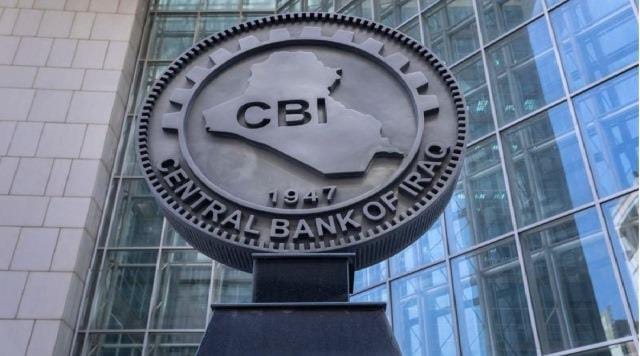
According to data from the Central Bank of Iraq (CBI), cash liquidity declined sharply between December 2025 and April 2026. Liquidity dropped from 1.907 trillion Iraqi dinars at the end of December 2025 to 566 billion dinars by the end of April 2026.
The decline continued month by month, falling to 1.524 trillion dinars in January, 1.005 trillion dinars in February, 849 billion dinars in March, and reaching its lowest point of 566 billion dinars in April.
The figures show that the Central Bank’s available liquidity decreased by approximately 1.341 trillion dinars within four months, representing a 70.3% decline compared with the end of 2025. Although the current level remains above the 323 billion dinars recorded at the end of 2023, it marks a significant drop from the 2.092 trillion dinars recorded at the end of 2024.
Despite the economic challenges, Iraqi Prime Minister Ali al-Zaidi’s recent visit to the United States has raised hopes for future financial and economic support. According to reports, the visit resulted in the signing of 48 agreements between the Iraqi government and various companies, including several strategic projects aimed at expanding production, improving services, and supporting economic development.
However, economists emphasize that long-term stability will require deeper reforms, including economic diversification, stronger private-sector participation, and reducing Iraq’s dependence on oil revenues.