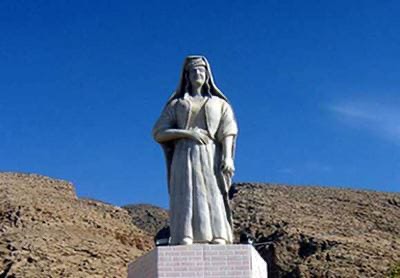
Khanzad, Princess of Soran, ruled with strategy and vision, leaving cultural, political, and architectural legacies.
In the long history of the Kurdish nation, many women have stood out as heroines, leaders, and symbols of resilience. Their names live on as bright stars of Kurdish memories. Among them, Khanzad, Princess of Soran, occupies a special place. She not only ruled the Soran Principality during the late 16th century but also left a legacy of wisdom, courage, and cultural achievements that continue to inspire.
Khanzad was the daughter of Shaquli Beg, son of Sulaiman Beg, and granddaughter of Prince Saidi Beg of Soran. Born in the mid-1500s, she rose to power after tragedy struck her family. Her brother was poisoned in Baghdad by an armed man named Lashkari. Refusing to let the crime go unanswered, Khanzad took matters into her own hands. She cleverly invited Lashkari and his men back to Soran under the pretense of marriage arrangements, welcoming them with hospitality. Once they were settled, she executed her plan and killed them, avenging her brother’s death and securing her authority.
From her castle, located only 22 kilometers from Erbil, Khanzad ruled the Soran Principality for seven years until her death in 1597. During this period, she demonstrated exceptional intelligence and political skill. Rather than engaging in costly wars with neighboring principalities, she chose a path of stability, strengthening her realm through construction, education, and religious patronage.
Historical records attribute numerous works to her reign. She commissioned castles, mosques, schools, and Quranic study rooms, many of which remain visible in traces today. Among the most significant are Khanzad Castle between Pirmam and Erbil, the ancient walls and rock carvings of Mount Harir, and military trenches in the Harir region. She is also remembered for developing religious institutions in villages such as Mawaran and for establishing resting places and cultural sites in Shaqlawa, Hiran, Mount Safin, and Batas. These projects reflected her vision of blending defense with cultural and spiritual life, ensuring both the security and growth of her people.
The Soran Principality itself, which lasted from 1399 to 1835, was one of the most prominent Kurdish states of its time. Though it declared independence much later in 1816, only to fall to the Ottomans in 1835, Khanzad’s earlier reign marked one of its most stable chapters. She has since been celebrated in Kurdish poetry, history books, and even plays, highlighting her as both a political leader and a cultural icon.
What makes Khanzad’s story remarkable is not only her courage in avenging her brother but her ability to govern wisely. She avoided reckless conflict, relying instead on strategy, foresight, and careful planning. Her life shows how Kurdish women were not simply supporters in history but also rulers, builders, and decision-makers who shaped the destiny of their people.
Today, her legacy is still alive. A statue of Khanzad stands in Harir, and tradition holds that her grave, alongside her brother’s, lies nearby. More than four centuries later, she remains a symbol of Kurdish pride—an enduring example of leadership, strength, and vision.