
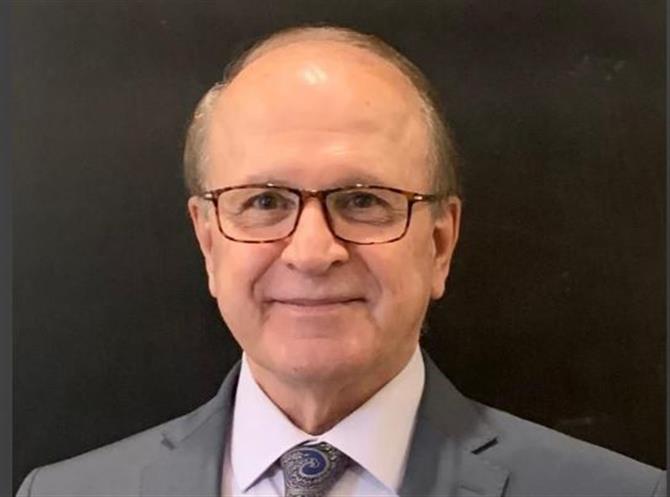
Dr. Saman Shali says Iraq’s leadership rejects true federalism, while Kurdistan is finally building a stronger economic foundation despite mounting pressure
The Kurdistan Region has been facing a deep financial crisis for years. According to political analysts and economic experts, much of the blame lies in Baghdad’s ruling mindset, which continues to politically pressure the region. Those in power in Iraq today don’t genuinely believe in federalism or the Iraqi Constitution — they only believe in central control.
Dr. Saman Shali, a political observer and economic expert, spoke to The Kurdish Globe about the state of Kurdistan’s economy and the crisis it faces. He believes that since 2005, there were real opportunities to build a stronger economic foundation in the Region, but only recently have concrete steps been taken. “The Kurdistan Regional Government is now on the right path,” he said, referring to initiatives in water, electricity, road infrastructure, and tourism — all aimed at economic development and creating resilience in the face of ongoing challenges.
Addressing the disputes between Erbil and Baghdad, Dr. Shali said Iraq does not believe in the foundations of federalism and selectively applies constitutional principles to undermine the Region. “The people of Kurdistan have high expectations of their government, and they want these demands to be met while also preserving the Region’s constitutional rights within Iraq,” he added.
He pointed out that while the Kurdistan Region abides by constitutional obligations — including handing over oil revenues and federal income — Baghdad often ignores the budget law and reduces its relationship to merely sending salaries to KRG employees. He emphasized the KRG should insist on receiving its fair share of the federal budget.
Dr. Shali said that once current projects are completed, the KRG should immediately focus on strengthening its economic pillars and avoid launching new projects that could further deepen the crisis. “The government must next prioritize job creation, stop depending only on agreements and oil transfers, and adopt diversified strategies to face Baghdad with a stronger and more calculated plan,” he said.
He added that real efforts must be made to form a new, functional cabinet and reactivate the Kurdistan Parliament before the upcoming Iraqi parliamentary elections. He also warned that if Kurds participate in the next Iraqi government, they must avoid repeating the current approach. “KRG should not deal with Baghdad under the same failed mechanisms. Any future agreements must include the heads of the judiciary, the presidency, the parliament, the federal court, the prime minister, and ideally even a representative from the United Nations to ensure Kurdish rights are protected,” he said.
Dr. Shali also proposed that the KRG should take steps to shield itself from Baghdad’s pressure by registering land ownership across Kurdistan and obliging companies to pay taxes and financial obligations — so the government can generate revenue independently. This would prepare the Region to manage future political and financial pressures, including those linked to regional and international dynamics, like recent drone strikes.
He linked the current pressure campaign from Baghdad to the upcoming Iraqi elections, arguing that Prime Minister Sudani and other Iraqi actors may be using hostility toward Kurdistan as a way to rally voter support.
He also criticized Iraq’s internal weakness and government failure, especially regarding the unchecked power of armed militias. “Although the Iraqi government promised to dismantle these groups, it has failed — and will continue to fail — worsening Iraq’s instability, especially after the recent drone strikes on Kurdistan.”
He continued: “In the last two years, Baghdad’s treatment of the people of Kurdistan is no different — and in some ways worse — than the oppressive regimes of the past. At least the previous regimes made their oppression public, through Anfal campaigns and chemical attacks. Today’s Iraqi government, by contrast, hides behind double standards: it claims to serve all Iraqis equally but quietly works to undermine the Kurdistan Region.”
The Kurdish Globe