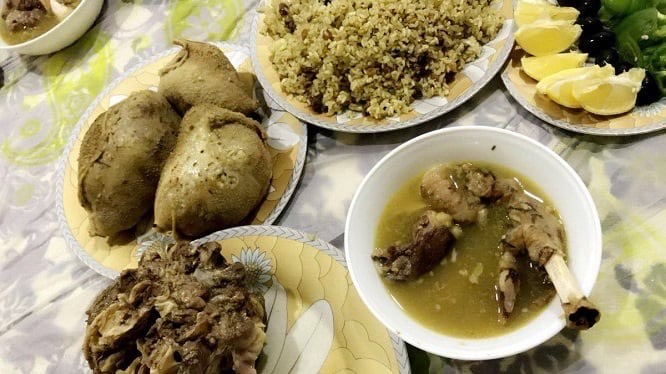
As winter grips Kurdistan, one of the region’s most iconic dishes, Sarupê—also known as Kel-u-Pacha—returns to kitchens and markets, bringing warmth and a sense of tradition to families across the region.
Prepared from a sheep’s head, feet, tongue, and cheek meat, Sarupê is traditionally cooked slowly to create a rich, flavorful broth. Families gather around steaming pots, sharing not only the meal but stories, laughter, and seasonal memories. The dish is often served as a “Dast,” a set including one head and four feet, and accompanied by Trit, bread soaked in the broth.
Specialized establishments called Sarupêkhana have become central to the dish’s popularity. Many open in the early morning or late at night to cater to enthusiasts who crave this winter delicacy. These restaurants, known for their expertise and loyal patrons, have helped preserve the cultural heritage of Sarupê preparation.
While Sarupê is not unique to Kurdistan—it is known as Kalleh Pacha in Iran and Turkey, Al-Pacha in Arab countries, and Khash in the Caucasus—the Kurdish tradition emphasizes community. Sharing the dish is as important as the meal itself, fostering family bonds and cultural continuity.
Experts note that while high in energy and fat, Sarupê remains a seasonal favorite, symbolizing warmth and resilience during the harsh winter months. For many in Kurdistan, the return of Sarupê marks not only the cold season but a cherished cultural ritual that has endured for generations.