
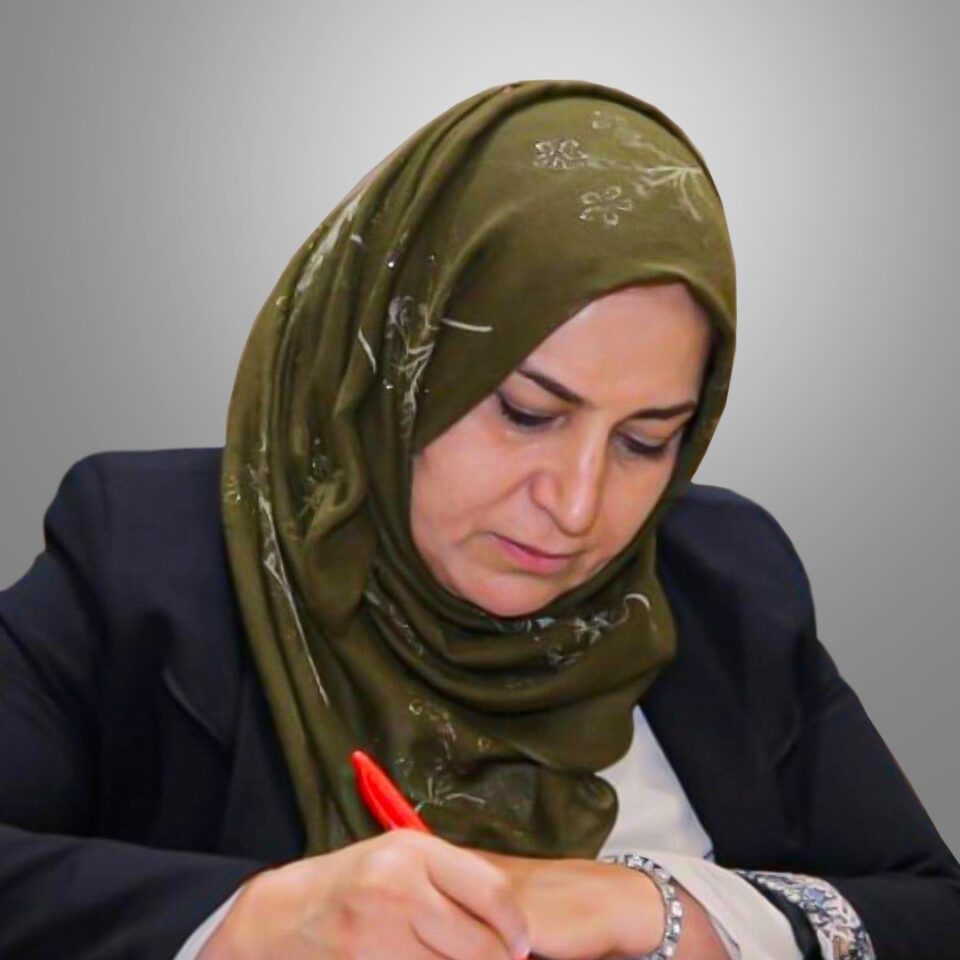
By | Dr. Nazaket Hussen
The Kurdistan Region has pushed forward in economic and agricultural development, relying on irrigation projects and the cultivation of essential crops despite persistent challenges. Yet recent attempts to interfere in its energy sector have raised serious concerns about the future of this progress.
Repeated attacks on oil and gas infrastructure, most recently the strike on the Kormor Field, have not only undermined government efforts but also inflicted hardship on citizens. Days-long electricity outages disrupted nearly a quarter of the region, a stark reminder of how fragile vital national projects can be in the face of external hostility.
These patterns point to coordinated attempts to destabilize the region. This makes it essential for international partners and observer nations to work jointly with the Kurdistan Region to strengthen its defensive capabilities and limit the involvement of actors seeking to fuel chaos.
In a volatile part of the Middle East, the steady growth of the Kurdistan Region offers a foundation for wider stability and investment. The region is emerging as a hub for tourism, business, and diplomatic engagement which symbolized by the opening of the U.S. Consulate in Erbil. Such support reflects confidence in the region’s potential and the vision set by the Kurdistan Regional Government.
But this same progress has unsettled opponents, especially those who fear the region’s expanding role in energy and investment. Ensuring security and continued development is therefore not only a local priority but a strategic necessity for the region and its partners.