
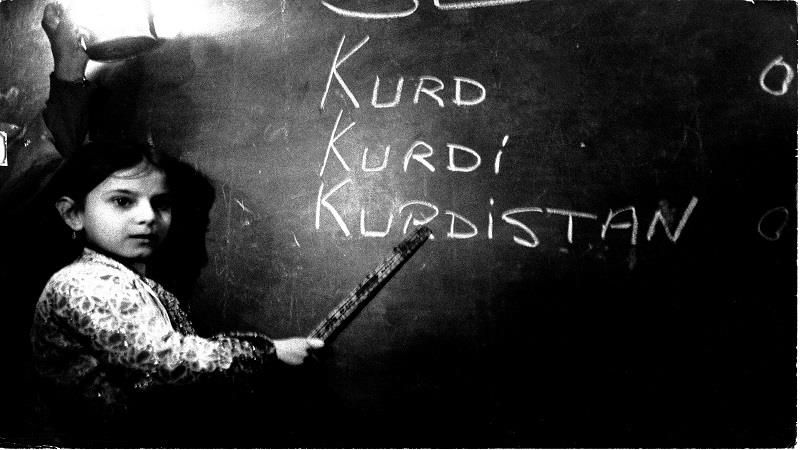
Leaders reaffirm commitment to protecting linguistic diversity and strengthening cultural identity across all communities
The Kurdistan Region marked UNESCO’s International Mother Language Day on February 21 with ceremonies and official statements underscoring the importance of linguistic diversity and cultural identity.
Observed annually worldwide, International Mother Language Day highlights the importance of preserving native languages as a cornerstone of cultural heritage and social cohesion. In the Kurdistan Region, the occasion is recognized by its diverse communities, all of whom freely speak and study in their mother tongues.
In a message marking the day, Masoud Barzani described the mother tongue as “the foundation of authenticity, identity, awareness, and national solidarity,” emphasizing that protecting it is a national duty.
Nechirvan Barzani, President of the Kurdistan Region, reaffirmed the government’s commitment to promoting and advancing all native languages in the Region. “We renew our commitment to supporting the mother tongue of all communities, from Kurdish to the languages of Turkmen, Syriac, and Armenian components,” he said in a statement.
Masrour Barzani, Prime Minister of the Kurdistan Regional Government, said the Region’s diversity is a source of pride. “The Kurdistan Region is enriched by its diverse languages and cultures. It is a matter of pride that all components of Kurdistan freely speak and study in their mother tongues,” he stated.
To mark the occasion, the General Directorate of Syriac Culture and Arts organized a special ceremony at the Syriac Heritage Museum Hall in Ankawa. Speakers at the event stressed that language is not only the heritage of the people who speak it but also part of humanity’s shared cultural legacy. Protecting languages from extinction, they said, safeguards cultural identity and human dignity worldwide.
The Kurdish Language and Its Dialects
Kurdish, a member of the Indo-European language family, traces its roots to the ancient language of the Medes and is regarded as one of the region’s historically rich languages.
Linguists generally classify Kurdish into four principal dialect groups, although there is ongoing scholarly debate about their precise categorization.
Northern Kurdish, Kurmanji:
Widely spoken in northern parts of Kurdistan, including areas of Turkey, Syria, and northern Iraq, Kurmanji is the most commonly spoken Kurdish dialect.
Central Kurdish, Sorani:
Known as Sorani, a name derived from the Soran region, this dialect serves as the official language of the Kurdistan Region. It is widely used in education, media, and literature and is spoken across central areas of Kurdistan in Iraq and Iran.
Southern Kurdish:
Sometimes associated with the Luri-speaking regions, Southern Kurdish is spoken in areas along the Iraq-Iran border. Scholars differ on its classification and naming.
Gorani and Zazaki:
This group includes Hawrami and related varieties spoken in distinct communities within the broader Kurdish linguistic landscape.
As the Kurdistan Region commemorates International Mother Language Day, officials and cultural leaders continue to stress that linguistic diversity remains a vital pillar of identity, coexistence, and cultural continuity.