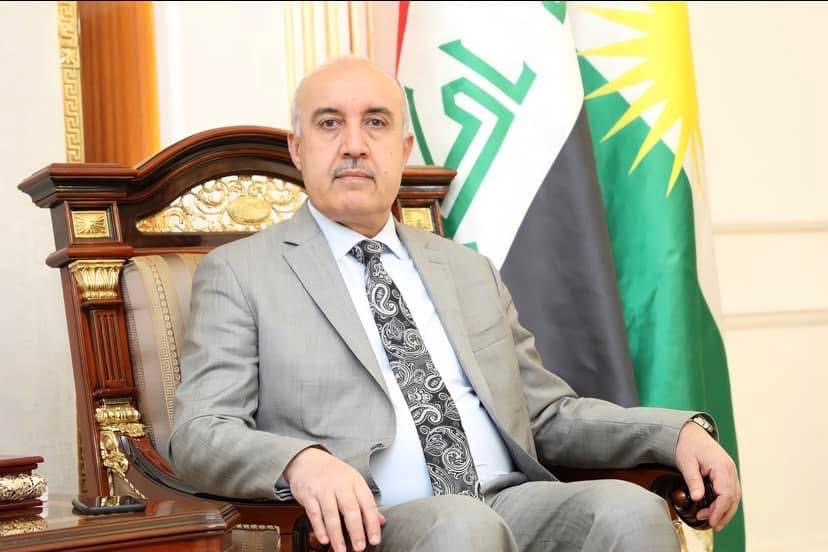
Oil production has resumed across most fields in the Kurdistan Region, with production reaching between 220,000 and 230,000 barrels per day, according to Kamal Mohammed Salih, Acting Minister of Natural Resources of the Kurdistan Regional Government (KRG).
In a statement issued Saturday, August 29, Salih said all oil companies in the Kurdistan Region have returned to work and production has resumed across all fields except the Sarsang field, which remains offline after sustaining damage from several drone attacks.
He said part of the current oil production is being used to meet domestic demand, while efforts continue to address the Region’s gasoline shortage.
According to Salih, the gasoline issue has been largely resolved, but a permanent solution depends on the federal government providing the Kurdistan Region with its allocated share of oil.
He criticized the difference in refining costs applied by Baghdad, saying the federal government calculates the refining cost for its own refineries at 5,900 Iraqi dinars, or about $4, per barrel, while the cost applied to refineries in the Kurdistan Region is calculated at $16 per barrel.
“Whenever Baghdad calculates the oil it provides to the Region at $4 per barrel, we will certainly provide gasoline to citizens at 450 dinars,” Salih said.
He also stressed the need to increase refining capacity within the Kurdistan Region. Current refining capacity stands at around 50,000 barrels per day, while domestic demand is approximately 140,000 barrels per day.
Salih said the KRG and Iraqi federal authorities held meetings on August 26 and 27 with members of the Iraqi Parliament’s Oil and Gas Committee and officials from the Iraqi Ministry of Oil to discuss resolving the gasoline issue.
The Region is now awaiting the committee’s recommendations to Iraqi Prime Minister Ali Zaidi before a final decision is made.
Salih said the Kurdistan Regional Government would comply with whatever decision is ultimately made by the federal prime minister.
The developments come as Erbil and Baghdad continue discussions over oil production, refining, and the supply of petroleum products to the Kurdistan Region, issues that remain central to broader economic and political relations between the two governments.