
Kurdistan’s energy ambitions hinge on political agreements, fiscal reform, and strategic use of energy resources.
the political deadlock over Kurdistan’s oil exports continues, three key questions are shaping the region’s economic future.
Kurdish Globe: Can the region reclaim its place on the global energy map?
Mwani: The answer is a conditional yes. Kurdistan has both the geological resources and the operational capacity to re-enter world markets. Its oil fields, operated by a mix of international and local companies, can produce commercially significant volumes. Demand is there—Mediterranean refiners and global traders remain interested in reliable crude supplies. Yet the challenge is not geological but political. Confidence has eroded due to contractual disputes and payment risks. To return to the global map, Erbil must secure a binding export framework with Baghdad that ensures payments to international oil companies, resolves multi-billion-dollar prepayment debts to traders, and provides the legal clarity needed to attract fresh investment. Without this, Kurdistan’s oil remains a stranded asset.
Kurdish Globe: What is the strategic value of the new American gas deals?
Mwani: These recent agreements with US firms are strategically significant. They represent more than just energy production—they offer diversification and diplomatic leverage. Gas could reduce expensive diesel imports for power generation and open the door to future exports. The involvement of US companies also strengthens Erbil’s political position in negotiations with Baghdad and Ankara. However, Baghdad has already challenged the contracts as unconstitutional, creating legal and financial uncertainty. If resolved through political compromise, gas could become a cornerstone of Kurdistan’s economic transformation.
Kurdish Globe: Can the success of 24-hour electricity be replicated to turn oil into broad-based prosperity?
Mwani: KRG’s success in delivering 24-hour electricity proves it has the execution capacity to deliver transformative public services. This achievement was driven by targeted investment and clear objectives. Translating that capability to the oil sector—and turning it into lasting prosperity—will require more than operational skill; it calls for a fundamental shift in fiscal governance.
Sustainable prosperity from oil can only be achieved if revenues are managed with transparency and discipline. That means restructuring legacy debts to free up cash flow, creating ring-fenced payment systems to prevent future arrears, and directing surplus income into a sovereign wealth fund for long-term development rather than short-term spending. Electricity achievements show what is possible; applying those lessons to oil management is now the decisive test. Without fiscal reform, new oil revenues risk becoming the same old problems in a different form.
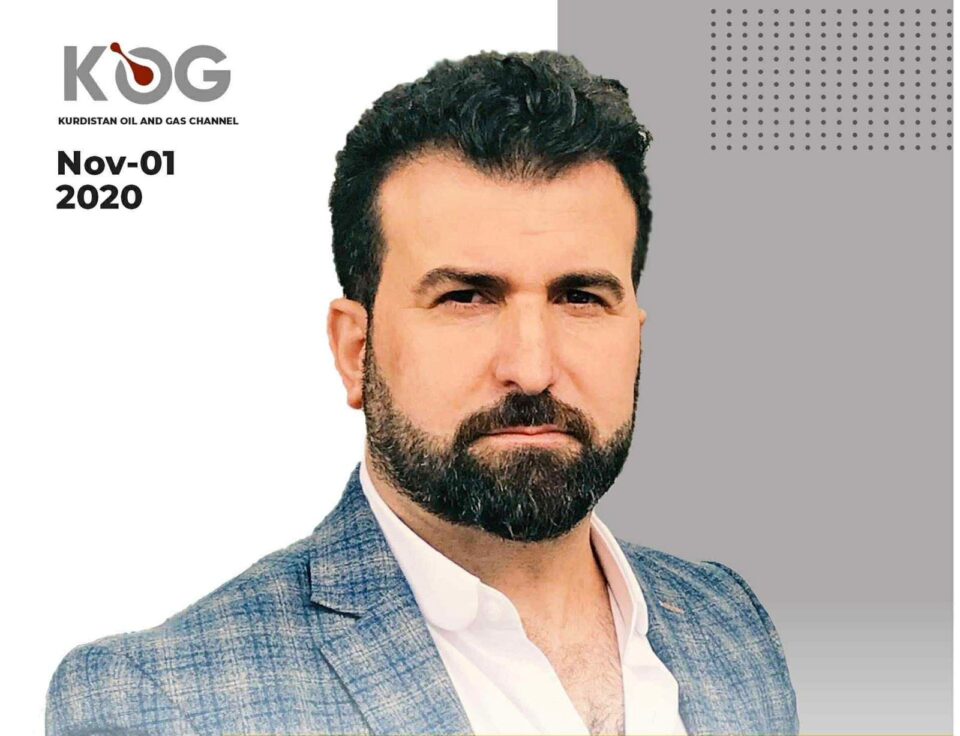
By: Dilshad Mwani
Founder of KOG & Master’s in Oil and Gas Management, Birmingham City Universitys