
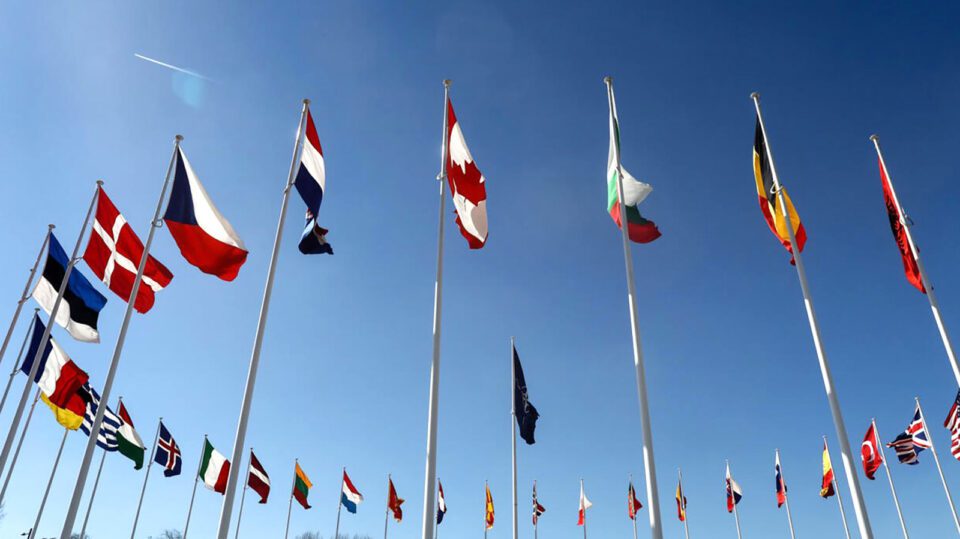
Kurdistan’s growing stability and global relevance spur new diplomatic missions and deeper international engagement.
An expert in international relations noted that Kurdistan’s position in the region is increasingly significant, prompting more countries to open diplomatic missions there and to recognize its growing global role.
Currently, the number of foreign representations in Kurdistan has increased, and more are expected soon. Observers anticipate that in the next KRG cabinet, the Region’s external representation will be further organized and its diplomatic engagement expanded. Kurdistan’s stability and development have drawn wide international attention, with many countries seeking both political and economic partnerships.
Among Arab states, relations have notably strengthened. The most recent consulate opened in Kurdistan was Qatar’s, whose officials expressed readiness to expand diplomatic relations further. Kurdistan is seen as a hub of coexistence, where religious and ethnic groups live together peacefully — a model that continues to attract international admiration. Experts believe Kurdistan can represent a positive example for the Middle East, encouraging more nations to deepen diplomatic and economic ties with the Region.
All these developments come as Baghdad continues to impose economic pressures, including salary and budget delays affecting Kurdish citizens.
Hawraman Ali, an international relations expert, told The Kurdish Globe: “The Kurdistan Region’s stability, strategic governance, and economic and diplomatic performance have elevated its global standing. At a time when Iraq’s political situation displeases much of the international community, Kurdistan has emerged — though still a region — as a globally respected political and economic entity. The United States, China, Russia, and Arab states all attach growing importance to Kurdistan.”
He added: “Kurdistan’s future importance lies in its peace, progress, and global engagement. The Region’s leadership has strengthened its geographic and strategic position. Neighboring countries view Kurdistan’s stability and growth as a positive step, and the global political focus has shifted toward economics — making Kurdistan one of the most promising economic hubs in the region.”
He further explained that Kurdistan, rich in energy and tourism potential, has pursued a balanced foreign policy without leaning toward any side.
Gulf states have shown strong economic interest, investing heavily in the Region.
Meanwhile, China’s economic bloc and several U.S. energy companies are increasingly active in Kurdistan — a sign of the KRG’s success in integrating diplomacy with economic priorities.
Today, Erbil has become a diplomatic crossroads. Hawraman Ali also highlighted that several other countries are preparing to open new missions in Kurdistan: “Years ago, there was only one consulate here. Now, many countries maintain diplomatic offices in the Region, and more are expected soon — reflecting Kurdistan’s rising diplomatic status.”
The Kurdish Globe