
Breaking the Deadlock with an Escrow Mechanism
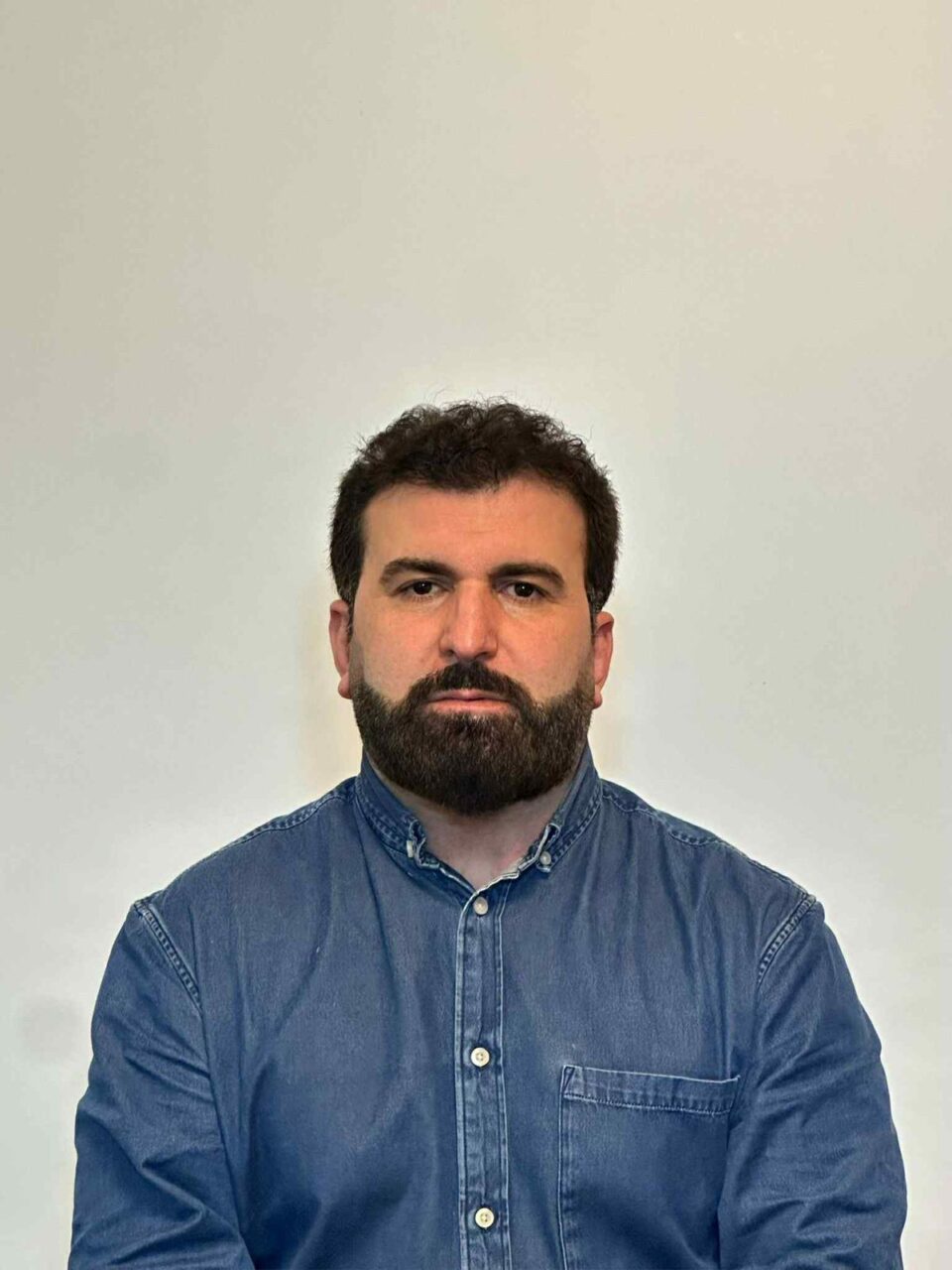
By Dilshad Mwani
For more than a year, the suspension of Kurdistan’s oil exports has created a serious economic and political crisis for both the Kurdistan Region and Iraq as a whole. Billions of dollars have been lost, and trust between Erbil, Baghdad, and international oil companies has eroded. At its heart, this is not a problem of oil reserves or demand, but of trust and the absence of a reliable mechanism to manage revenues.
I believe there is a practical, credible and technically sound solution that could break the deadlock in as little as ten working days: the establishment of an international escrow account for Kurdistan’s oil revenues.
The Current Stalemate
The issue recently resurfaced in Iraq’s Council of Ministers, chaired by Prime Minister Mohammed Shia al-Sudani. The Council has been seeking a legal framework to address the absence of a formal agreement between Baghdad and international operators (notably the Apicorp group) working in the Kurdistan Region. Current federal decisions emphasise that all sales must pass through the state oil marketing company SOMO, with payments funnelled through Baghdad, rather than direct arrangements with companies.
This approach, while reinforcing federal authority, does little to rebuild trust with Erbil or reassure international investors. The result has been paralysis: exports through the Ceyhan pipeline remain suspended, and neither Baghdad nor the Kurdistan Region can afford the mounting costs.
Understanding the Concerns of Each Party
Any lasting solution must address the core concerns of all three stakeholders:
1. The Federal Government in Baghdad insists that the Kurdistan Region’s oil be marketed exclusively through SOMO, with revenue handled via the Ministry of Finance in accordance with federal budget law. Direct payments to companies are rejected outright.
2. The Kurdistan Regional Government (KRG) accepts responsibility for its contractual obligations with oil companies but is burdened by debts and arrears. It seeks to retain a degree of financial control while rebuilding credibility with both Baghdad and investors.
3. International oil companies (IOCs), particularly the Apicorp group, demand timely and reliable payments directly from a trusted source, wary of the KRG’s past delays and the lack of enforceable guarantees.
The absence of a mechanism to reconcile these demands has halted exports through Turkey’s Ceyhan terminal, costing both Erbil and Baghdad tens of millions of dollars daily, while undermining Iraq’s credibility in global energy markets.
Escrow: A Neutral, Transparent Solution
An escrow account, managed by a major international bank such as JP Morgan, Citi, or a reputable regional institution, could serve as the neutral mechanism needed. Escrow is widely used in the energy sector to manage complex revenue streams and reduce payment risks.
Key features of the proposed oil escrow account:
• Neutrality: The bank acts as an independent third party, bound only to execute agreed rules.
• Automation: Funds are distributed automatically according to a predefined formula, eliminating political interference.
• Security: Revenues are held safely and disbursed only under agreed conditions, reassuring investors.
• Transparency: Regular reporting ensures all parties can monitor flows in real time.
Revenue Distribution Formula
Based on the current budget arrangement of $16 per barrel allocated to the Kurdistan Region:
• $1.60 (10%) royalty to the KRG.
• $6.40 (40%) cost recovery to IOCs, subject to third-party auditing by firms such as Wood Mackenzie.
• $8.00 profit oil: 70% ($5.60) to the KRG and 30% ($2.40) to IOCs.
This ensures that out of every $16, the KRG receives $7.20 while IOCs receive $8.80. The mechanism provides immediate and transparent payments, reducing disputes and delays.
Independent Oversight
To strengthen trust further:
• Production auditing by an international firm such as Deloitte, certifying volumes produced by each operator.
• Cost recovery verification by an independent consultancy like Wood Mackenzie, ensuring expenses are legitimate and preventing inflated claims.
These checks would prevent disputes and allow adjustments to the formula if required.
Implementation Roadmap: Ten Working Days
• Days 1–3: Basic agreement between Baghdad, Erbil and Apicorp on the escrow mechanism, selection of the bank, and appointment of Deloitte as auditor.
• Days 4–6: Drafting and signing a tripartite agreement between Iraq’s Ministry of Finance, the KRG, and the escrow bank. Incorporation of the agreed revenue-sharing formula.
• Days 7–10: Technical activation of the escrow account, system testing, and commencement of exports via SOMO.
Why Escrow Works for All Parties
• For Baghdad: It preserves federal authority under the budget law while ensuring revenues enter national accounts.
• For the KRG: It guarantees its share transparently, restoring financial credibility without breaching federal rulings.
• For IOCs: It delivers secure, direct payments, enabling production to resume without further delay.
• For Iraq’s energy sector: It restores credibility in international markets and enables exports from Kirkuk and Kurdistan to resume promptly.
Conclusion: A Call for Pragmatism
The current paralysis is a crisis of trust, not resources. The escrow mechanism offers a pragmatic, internationally recognised solution that balances the needs of all sides.
The KRG in particular must seize this opportunity, recognising that continued suspension of exports will only deepen financial losses, damage its international reputation, and weaken investor confidence.
A return to stability and prosperity is within reach — but only if Baghdad, Erbil, and international partners adopt a transparent and enforceable mechanism. With political will, Kurdistan’s oil could flow again within days, not months.