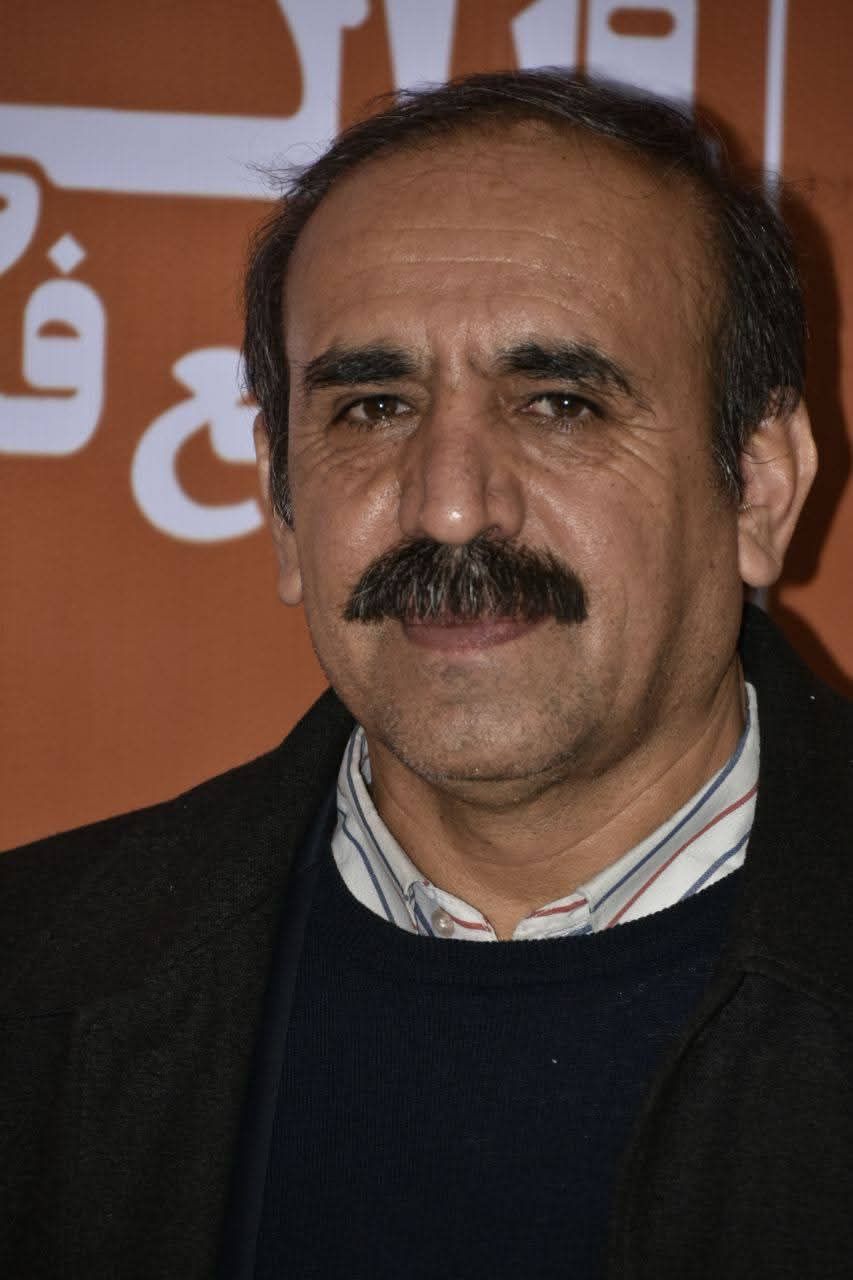
Born in Bokan in 1970, theater actor and director Rahman Azizi has spent more than four decades shaping the Kurdish theater landscape in Iran. Renowned for his insightful approach and deep commitment to the art, Azizi describes theater as “the expression of all the unspoken,” a medium through which society can confront its hidden truths, anxieties, and aspirations.
Reflecting on contemporary theater trends, Azizi criticized certain experimental and semi-Western theatrical approaches that, in his view, have lost connection with local culture and audiences. “These theater groups, disconnected from their people, culture, and history, often confine themselves to foreign plays,” he said. “Many consider it an intellectual achievement to handle topics that few understand and that are distant from society. Theater must maintain a fundamental connection with humans and the events of their time. If a performance is not for the people, it cannot be welcomed or appreciated.”
Despite these challenges, Azizi highlighted the thriving Kurdish theater scene in Iran, particularly in provinces such as Mariwan and Saqiz. He praised the Mariwan Street Theater, held annually, as the largest street theater festival in the Middle East, drawing large audiences and providing an important platform for artistic expression. However, he stressed that festivals alone are not sufficient to sustain theater. “Theater should not exist only during a few festival days. Public performances throughout the year are essential, and the connection between theater groups and their communities must remain strong. Festivals introduce people to art and new techniques, but true cultural development depends on consistent engagement between artists and audiences,” he explained.
For Azizi, theater is more than performance—it is a societal mirror and a medium for dialogue. “Theater is play, the actor is an artist, and an artist builds not only their own life but also the life of those around them,” he said. “Art is life. Modern theater productions require a collaborative effort, including actors, writers, directors, designers, composers, and assistants. Theater thrives on diversity, experimentation, and creativity. Its essence lies in its ability to reflect society, provoke thought, and engage audiences in meaningful ways.”
He also emphasized the audience’s role in the success of theater. “People must support the art and culture of their own cities. The influence of management and artists is important, but the public is equally responsible. Theater succeeds when communities see themselves in the stories being told and when they actively engage with performances.”
Through decades of dedication, Rahman Azizi continues to champion Kurdish theater, advocating for artistic freedom, cultural relevance, and meaningful engagement with audiences. His vision underscores the importance of theater as a living art form, one that speaks to society, preserves cultural identity, and inspires both creators and spectators alike.