
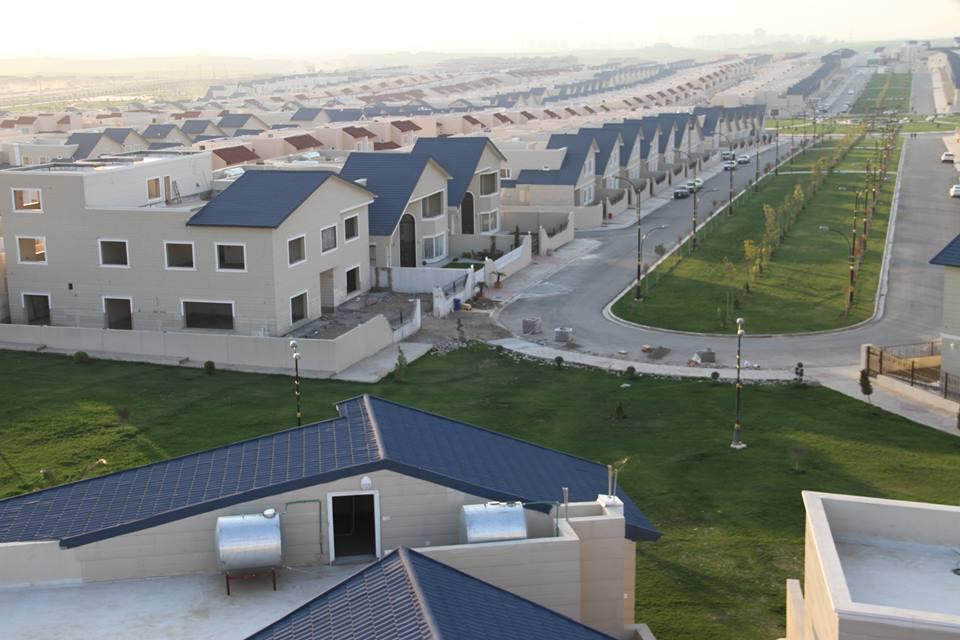
The Kurdistan Region has emerged as a remarkable success story in Middle Eastern real estate development since 2003, transforming from a war-torn area into a thriving investment destination. What began as post-conflict reconstruction has evolved into one of the region’s most dynamic property markets, attracting billions in investment and fundamentally reshaping the urban landscape of major cities like Erbil and Sulaymaniyah.
The scale of this transformation is staggering. With $20 billion invested—30 percent of all investments, second only to the oil sector, real estate has become the backbone of Kurdistan’s economic development. According to research conducted by scholars from Soran University and Erbil Polytechnic University covering the period from 2003-2020, approximately 78 property developers have deployed $5.8 trillion in capital investment, representing 42 percent of total capital investment and 44 percent of investment property allocation—making it the highest investment concentration in any sector across the country.
This boom has been driven by multiple factors including relative political stability, favorable investment laws introduced in 2006, and a growing population fueled by both natural increase and the return of the Kurdish diaspora. The housing market has experienced extraordinary price appreciation, with home values rising between 400 and 1,000 percent over the past decade, reflecting both demand pressures and economic growth in the region.
Housing Market Dynamics Reshape Urban Kurdistan
The residential property sector has undergone fundamental changes that reflect broader socioeconomic shifts in Kurdish society. Statistical analysis reveals that 79 percent of Kurdistan Region residents own their homes, with ownership rates reaching 89 percent in rural areas compared to 77 percent in urban centers. This high ownership rate has been supported by local preferences shifting toward single-family homes, accommodating the region’s traditionally large household sizes where 61 percent of families include six or more residents.
The construction industry has responded with ambitious projects that go far beyond basic housing needs. Modern developments typically offer 24-hour electricity, full gas supply systems, comprehensive irrigation infrastructure, and round-the-clock security services—amenities that have proven essential for attracting both residential buyers and commercial tenants. Within six years of the investment law’s implementation, developers constructed approximately 150,000 housing units, while the Kurdistan Investment Board initiated programs to build 7,000 additional units specifically targeted at low-income residents with favorable financing terms.
Recent developments include Empire World represents a USD 2.7 billion investment in the rapidly growing and economically autonomous Kurdistan region in northern Iraq, demonstrating continued confidence in the market despite regional challenges. Yet housing demand remains substantial with approximately 300,000 families still requiring adequate housing solutions.
Investment Climate and Infrastructure Development
Kurdistan’s real estate success has been underpinned by strategic infrastructure investments and progressive investment policies. The region has dramatically improved its transportation networks, with Erbil International Airport featuring one of the world’s longest runways and attracting major international brands including Sheraton, Hilton, Porsche, and Sony. Nissan established its largest Middle Eastern service center in the region, reflecting confidence in long-term economic prospects.
The amended Investment Law expressly provides foreigners the right to own land for the purpose of developing residential real estate projects, creating opportunities that extend beyond local investors. This legal framework has been crucial in attracting international capital and expertise, though it requires foreign investors to partner with Iraqi entities for certain industrial projects.
Transportation infrastructure, while improved, still faces bottlenecks. Most equipment and supplies enter through the Turkish border at Zakho before proceeding east to their destinations, creating potential vulnerabilities in the supply chain. These logistical challenges have made it necessary for serious investors to engage competent, licensed private security firms to conduct risk assessments and develop comprehensive safety protocols covering personnel, equipment, materials, and emergency response procedures.
The investment climate reflects both opportunities and constraints. In 2024, the Real Estate market in Iraq is expected to reach a projected value of US$1.11tn, with residential real estate anticipated to dominate the market. However, broader economic factors including Iraq’s ranking of 186 out of 190 countries for ease of accessing credit highlight systemic challenges that affect long-term market development.
Despite these challenges, Kurdistan’s real estate sector continues attracting investment, with nearly 99 percent of current construction utilizing locally manufactured materials, supporting domestic industry development. The sector’s success has created a multiplier effect, generating employment opportunities and spurring growth in related industries from construction materials to professional services, positioning real estate as a key driver of Kurdistan’s broader economic transformation from conflict zone to regional investment destination.
By Jawad Qadir