
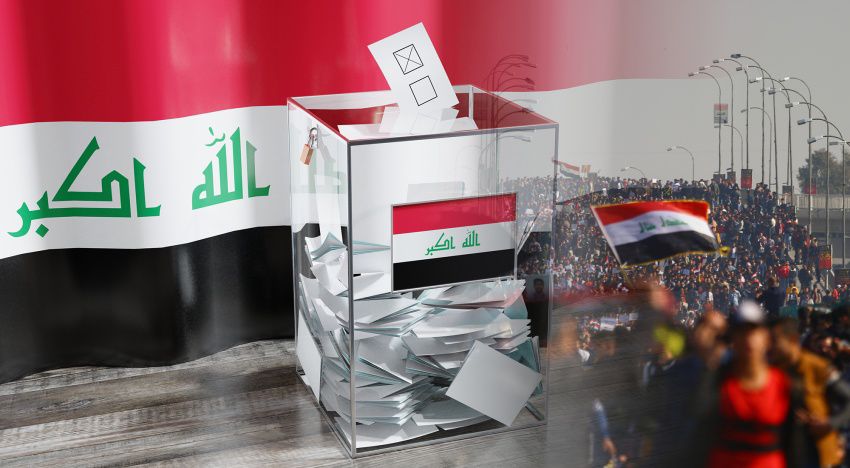
Possible Israel–Iran conflict raises concerns over Iraq’s ability to hold scheduled parliamentary elections on time.
Many political sources and analysts point to signals of a possible escalation of conflict between Israel and Iran. Iraqi parties and observers believe that if such a conflict breaks out, it could make it difficult for Iraq to hold elections on schedule.
A political researcher noted that renewed fighting between Israel and Iran is expected, and this could delay Iraq’s parliamentary elections. The vote is currently set for November this year, but political forces are concerned that renewed hostilities between the two countries might force a postponement.
Shwan Kalari, a member of the Iraqi Parliament, told The Kurdish Globe: “The regional situation is tense, and anything is possible. But we hope Iraq will not become involved or entangled in the war, because in the end it would negatively affect all of Iraq. For now, the Iraqi election commission is preparing for the election, and there is no decision to postpone it.”
He added that some parties remain doubtful the vote will take place on time, though this is more of a political assessment than a procedural issue. Preparations for voter registration, alliances, and finalizing the number of parties in the commission have been completed.
Hussein Asaad, a political affairs researcher, told Iraqi media that the constitution and laws give no authority to postpone parliamentary elections except in extreme and exceptional circumstances, such as the outbreak of a large-scale war or a direct threat to national security. In such a case, the decision would come from Parliament or at the request of the Independent High Electoral Commission, with legal approval.
He explained: “If a war breaks out between Iran and Israel and its effects spill into Iraq—whether through direct military operations or threats to infrastructure and national security—conditions could become severe enough to justify postponement. However, any decision would ultimately have to follow constitutional and legal procedures, not political maneuvering.”
Iraq has seen multiple elections disrupted in the past, with delays to scheduled voting dates. Most recently, in 2014, the rise of ISIS forced changes to the electoral timeline. The Iraqi Council of Ministers has set November 11, 2025, for the sixth parliamentary elections, and preparations are ongoing.
Delshad Jalal Kamil, a political observer, told The Kurdish Globe: “Everything in the region is being closely watched, especially the Israel–Iran conflict. If tensions escalate into open war, it will be harder for Iraq to hold elections. Most importantly, Iraq should steer clear of that conflict.”
When asked what could prevent Iraq from holding elections on time, he said: “Elections are best held in a climate of political stability. If war reaches Iraq’s borders, it will inflame the already tense political climate, affect neighboring countries, and create instability that could lower voter turnout.”
The Kurdish Globe