
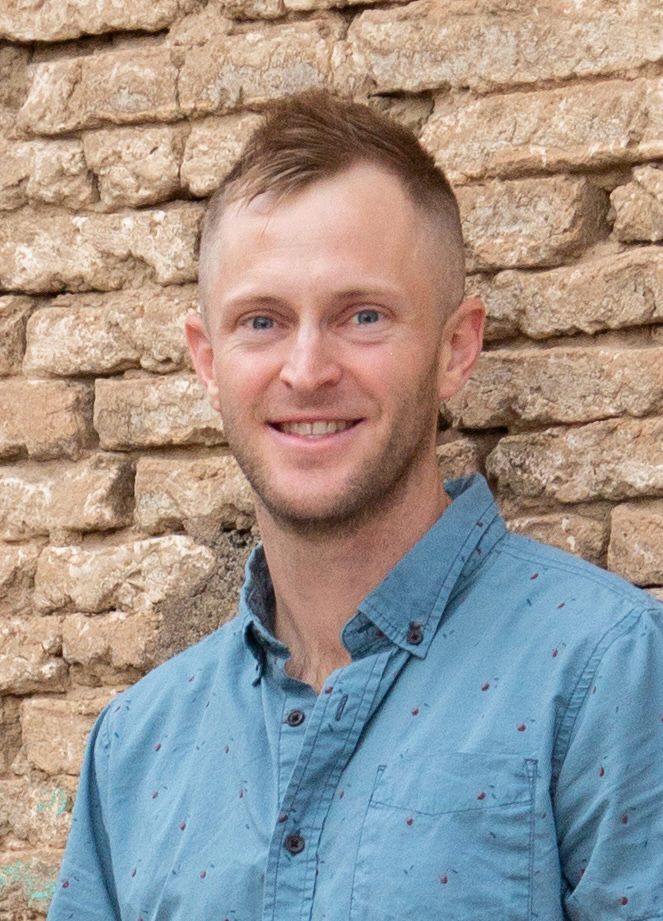
By Jamie Watt
While I have lived in Erbil for several years, something significant struck me upon my return after a five-month trip abroad: the city is making encouraging strides forward. In a world where many things seem to be deteriorating, it is refreshing to be in a place that is improving.
Four key changes stood out to me during my visit:
First, the Green Belt project is becoming a reality. My initial surprise upon returning from the airport was how much greener certain parts of Erbil appeared. Although the trees are mostly young and we are still a few years away from a fully lush environment, how many cities across the globe have planted hundreds of thousands of trees recently? According to a government report, Erbil has planted over a quarter of a million trees, and this growth is noticeable along the city’s main roads, especially on the outer ring roads. While we are still below the World Health Organization’s (WHO) recommended green space of 9 m² per person (currently sitting around 6–8 m²), the gap is closing.
Second, the air quality felt and looked cleaner upon my return. Air quality is one of those factors you don’t consciously monitor unless it becomes terrible. However, upon my return, the sky appeared clearer, and I didn’t experience any dust irritation in my throat while walking around the city. Independent air quality index (AQI) monitors show that PM2.5 levels have dropped by 10–15% year-over-year. Although we are still above global standards, having fewer bad days significantly improves the overall feel of the city. As the city’s energy grid improves and more green initiatives are implemented, we can anticipate even better air quality, which will contribute to improved health for the population.
Third, it was encouraging to return to a region that recently held a large-scale election without any major problems, clashes, or divisions—especially given the current climate in the Middle East. Political seasons here can be tense, but by most accounts, the recent election was peaceful and uneventful. While voter turnout was modest (ranging between 35% and 50% depending on the district), the electoral process was successful, with observers reporting few disruptions. This kind of calm stability is essential in a region prone to election-related turmoil.
Fourth, Erbil is thriving with development and investment. Although the city has always been undergoing construction (particularly outward and upward), this new wave of development feels more cohesive. New residential zones, commercial centers, and road upgrades are progressing simultaneously in a way that resembles actual planning rather than disjointed projects. In 2024, the region approved over $1.3 billion in new construction permits, demonstrating the strong belief investors have in this city. The volume of investment has been so high that there has even been a temporary pause on permits to ensure cohesion and prevent the city from progressing too quickly.
None of this suggests that Erbil has suddenly become the world’s ideal city. We still face numerous challenges—traffic, infrastructure gaps, economic uncertainties, and the daily frustrations of living in a rapidly growing urban environment.
However, after five months away, I returned, looked around, and felt genuine momentum. Trees are growing, air is clearing, elections are stabilizing, and buildings are rising with purpose. I am proud to live in a place where progress is truly happening.