
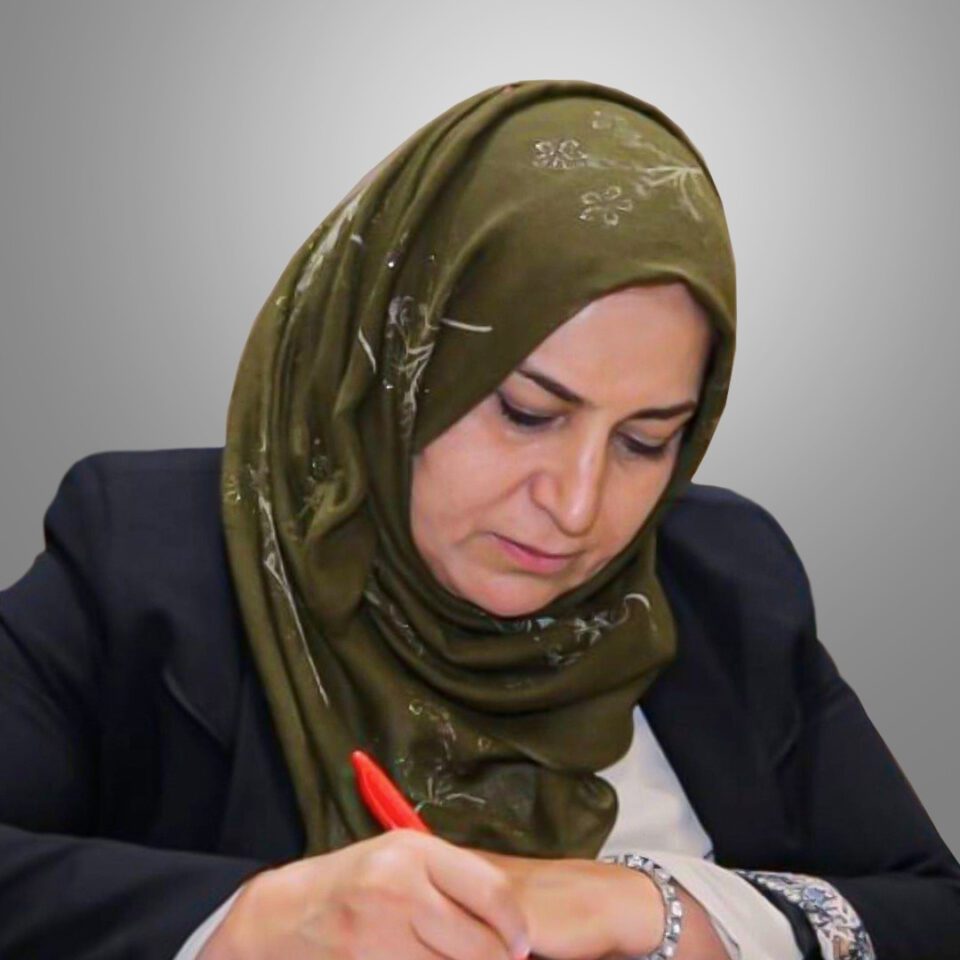
By | Dr. Nazaket Hussen
It is often said that starving a nation is more cruel and challenging than committing murder. Since 2014, the people of the Kurdistan Region have been subjected to a relentless campaign of economic deprivation and oppression by Baghdad. This ongoing siege, hidden behind false pretenses, is not merely a political dispute—it is a systematic effort aimed at weakening and ultimately destroying a nation.
Beyond impeding the development of Kurdistan and damaging Iraq’s infrastructure, this policy violates every principle of international human rights law. It constitutes a clear crime against humanity. It is alarming that global human rights organizations and influential countries have yet to raise their voices decisively against this injustice, especially since it bears no relation to any form of armed conflict.
The Kurds are not outsiders; they are an inseparable part of Iraq’s government and parliament. They have been key players in defending the country from terrorists and ISIS and have contributed significantly to Iraq’s liberation and rebuilding after years of dictatorship.
This struggle transcends the battlefield. It is a continuation of the genocidal policies that Saddam Hussein and his regime once inflicted upon the Kurdish people—through Anfal, chemical attacks, and other atrocities. Although previous regimes failed to fully implement their plans of destruction, those now in power seem determined to carry on this dark legacy.
If this slow but deliberate policy of starvation continues unchecked, it will lead to severe humanitarian disasters with devastating social, political, educational, and economic consequences—not just for the Kurds, but for all of Iraq. The international community must recognize this as the urgent crisis it is and act accordingly to protect the rights and dignity of the Kurdish people.