
Between Constitution, Diplomacy, Economy, and Peace
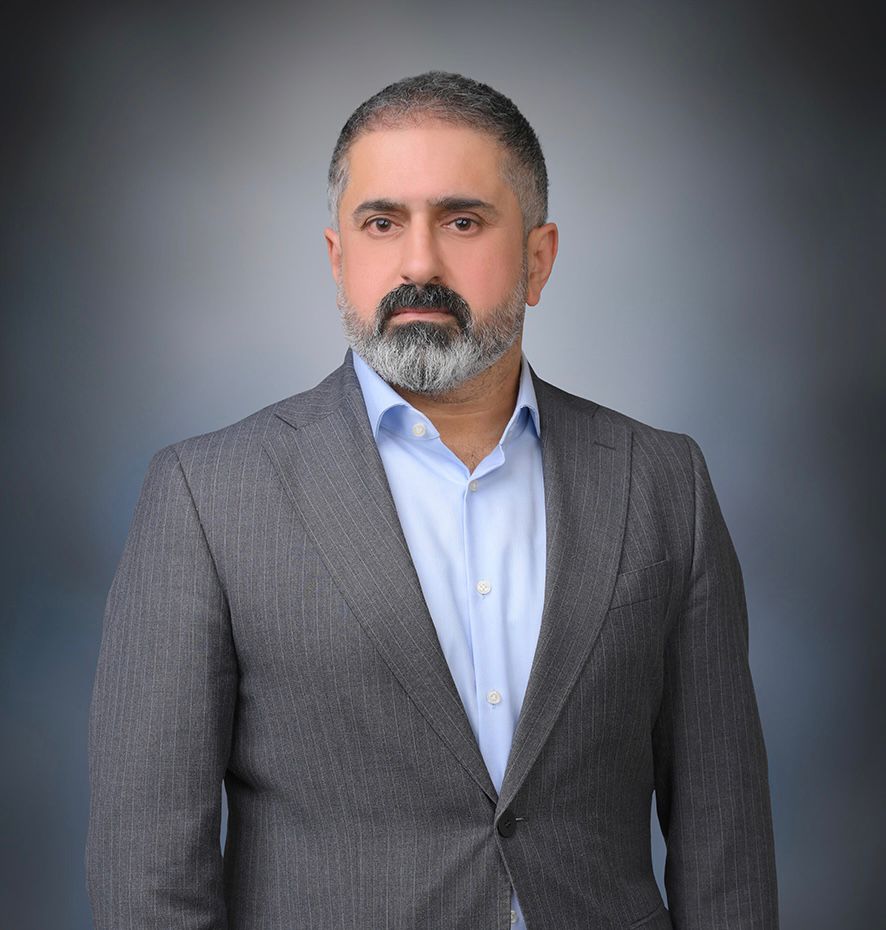
By Hawraman Ali Tawfiq
The Kurdistan Region is one of the areas with a distinct status in the Middle East. Since the 1990s, it has established broad autonomy within the framework of the Iraqi state. Over the past two decades, the Region has achieved significant political and economic progress, attracting increased international attention, both from countries and international organizations.
The political and constitutional status of the Kurdistan Region is defined within the framework of the Federal Republic of Iraq, according to the 2005 Iraqi Constitution. The Region is recognized as an administrative and political entity with its own parliament, government, and security forces (Peshmerga). Although it does not have full independence, the institutional nature and governance system of the Region resemble those of a semi-state, allowing it a degree of autonomy in its international relations.
The Kurdistan Region has established informal foreign relations with several countries and opened diplomatic representations in key capitals such as Washington, London, Paris, and Berlin. Additionally, many countries have opened consulates or economic offices in Erbil, the capital of the Region. The United States, the United Kingdom, Germany, and France are among the most prominent supporters of the Region, particularly during the war against ISIS, where the Peshmerga played a decisive role, thereby strengthening the Region’s image as a vital security partner.
Economically, oil wealth is one of the primary factors that has enhanced the Kurdistan Region’s influence in international relations. Possessing significant oil reserves, the Region—according to the Iraqi Constitution—has independently negotiated contracts with international companies. Despite recurring tensions with Baghdad over oil exports and Iraq’s attempts to centralize control over oil policy, and its failure for years to pass a unified oil and gas law, the Region has managed to position itself as a significant economic actor. This has attracted the attention of global economic powers.
Peace and coexistence are among the important reasons that have elevated the Kurdistan Region’s international status. The Region has committed to upholding the values of peace and coexistence among all religious and ethnic groups. It has become a safe haven for many internally displaced persons and refugees from conflicted regions of Iraq and Syria, including Christians, Yazidis, Sunnis, Shiites, and Syrian refugees.
The Region’s policies and approaches in this area have received international praise. The Kurdistan Region has become a model of stability in a turbulent region. The Regional Government seeks to present itself as an open region to the world, respecting human rights and embracing diversity and mutual acceptance as the foundation of coexistence. In doing so, it presents a positive image on the international stage.
Despite these achievements, the Kurdistan Region still faces several challenges that limit its future steps and impede the further strengthening of its international standing. These include:
• The lack of international recognition as an independent state, despite the 2017 referendum.
• Internal political divisions and fragmentation among influential parties, which affect domestic stability.
• Tense relations with certain regional countries such as Turkey and Iran, which strongly oppose any Kurdish independence project.
The future international position of the Kurdistan Region depends on several key factors:
• Achieving domestic political and economic stability.
• Sustaining security cooperation with the international community.
• Maintaining balanced relations with Baghdad and regional powers.
• Continuation of peace and coexistence policies as fundamental human values that contribute to a positive global image of the Region.
Undoubtedly, the Kurdistan Region will continue to play an important regional role, whether within the framework of Iraq or in pursuit of greater autonomy, especially in light of the rapidly changing geopolitical landscape of the region.
The international status of the Kurdistan Region is shaped by a combination of political, economic, security, and humanitarian factors. The Region has successfully positioned itself as an influential actor in internal and regional dynamics, especially through its contributions to counterterrorism, diplomatic engagement, resource development, and the promotion of peace and coexistence. Despite the challenges it faces, the Region still holds the potential to assume a greater international role in the future, provided it strengthens internal unity and develops regional and global partnerships.