
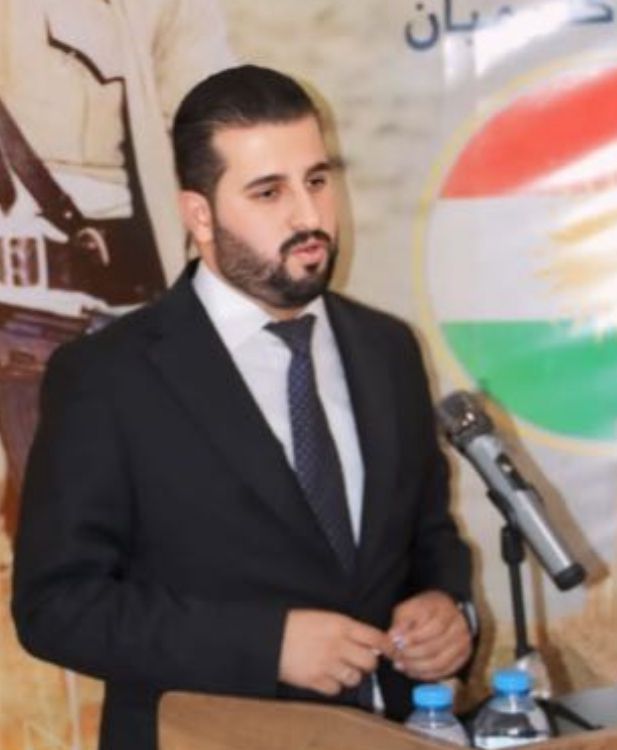
By Frsat Said Shkur
The Kurdistan Regional Government, during a phase filled with challenges and multifaceted crises, not only managed to maintain itself and emerge from the bottleneck of stagnation, but also, with a new and bold vision, was able to find a new path amid complexities for development and fundamental solutions to problems. This cabinet, despite the major challenges facing the region, boldly addressed fundamental issues and pursued strategic and long-term solutions.
Challenges and Strategic Vision
The ninth cabinet of the government faced a wave of economic, health, and international and domestic political challenges. The collapse of oil prices, which was the main source of the region’s revenue, the global COVID-19 pandemic, which had devastating effects on the health and economic sectors, along with internal and external political tensions, created a complex situation. Nevertheless, a strategic vision for fundamental change was presented across all sectors, aiming to move beyond temporary solutions to building a strong and sustainable foundation. This approach was a long-term strategic project, not temporary problem-solving and passing time.
Development and Reform Steps
The ninth cabinet drafted a new project, new vision, and new strategy for the governance phase. This new vision placed great importance on the region’s future. Among the most important steps of this cabinet:
• Economic Diversification: Reducing dependence on oil and developing the agricultural, tourism, and industrial sectors was an important part of the new governance vision that enriched the Kurdistan Region’s infrastructure.
• Financial Reforms: Striving for transparency in revenues and expenditures, reducing corruption and waste.
• Development of Economic Infrastructure and Electronic Services: Particularly in roads, bridges, dams and reservoirs, and digital government services.
Strategic Projects for Serving Citizens
Among the most important and impactful projects of the Kurdistan Regional Government that directly affected citizens’ lives:
1. Strategic Project for Water Delivery from the Greater Zab to Erbil: Erbil, the region’s capital, had long suffered from one of the largest service problems: water shortage. This problem was not only related to drought, but also other factors such as the absence of a long-term plan for water provision, reliance on deep wells, and deficiencies in the electricity system had caused the situation to worsen. This had a direct impact on citizens’ daily lives and even the city’s development. In this context, a decision was made to implement a historic project, “The Strategic Project for Water Delivery from the Greater Zab to Erbil.” This project, whose foundation stone was laid on September 8, 2024, is seen as a breakthrough in solving the water problem in the capital. The aim of this project is to provide clean and continuous water for the next 25 to 30 years, which is a far-sighted vision for the city’s and its residents’ future. With a capacity to pump 480,000 cubic meters of water per day, this project draws water through four main lines from the Greater Zab.
2. 24-Hour Electricity Project: The electricity problem was another chronic issue in the region. The 24-hour electricity project became a major turning point in solving this problem. This project has become a point of interest not only in the Kurdistan Region but also in Iraq and other countries suffering from electricity issues. This step relieves citizens from a chronic problem, and in addition to continuous electricity at a lower and stable price, it reduces the burden on people.
3. The Digitalization Project or “E-Government” is an advanced vision that the Kurdistan Regional Government has given great importance to and has established as one of the main pillars of the cabinet’s long-term development strategy. This project is not merely a technical process, but an intellectual and administrative transformation aimed at creating more transparent, faster, and more effective governance.
4. Development of Agricultural and Tourism Sectors Attention to the agricultural and tourism sectors in the ninth cabinet saw significant and major changes. In these sectors, the region became a focus of valuable attention from Middle Eastern countries and the world in general, particularly in developing tourism infrastructure and developing domestic agricultural products and providing markets for them.
The Kurdistan Regional Government’s program represents transparent governance—governance oriented toward serving the people, establishing law, and achieving justice. This governance strives to create opportunities for development from crises and build a strong foundation for the future of the Kurdistan Region. Alongside all of this, protecting historical and national achievements and pride has been a priority in its work.