
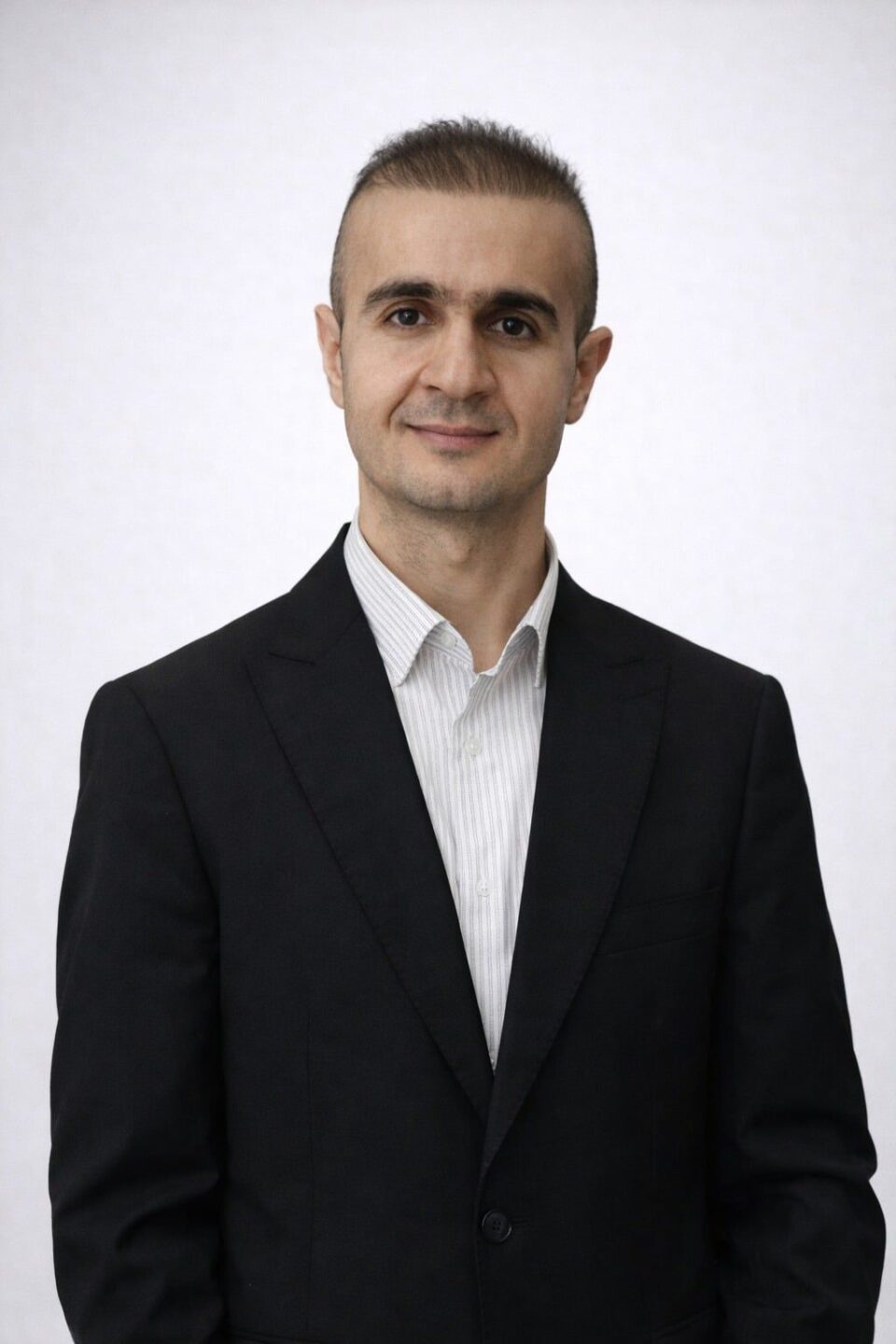
By Payraw Anwar
The Kurdistan Region of Iraq stands as an inspirational political and social model, shaped by major transformations in the international system following the end of the Cold War. Emerging in the early 1990s amid the reconfiguration of global power and the establishment of the New World Order, the Kurdistan Region was formed in 1991 under the protection of a United Nations Security Council resolution. At that time, it existed as a de facto political entity.
Following the collapse of the Baath regime in 2003, the Kurdistan Region transitioned into a de jure entity. Its legal and constitutional status was formally recognized in the 2005 Iraqi Constitution, granting it autonomy within the federal state of Iraq. Since then, the Kurdistan Region has evolved into a semi-autonomous political actor with growing regional and international significance.
Today, the Kurdistan Region plays a leading role not only for Kurds within Iraq but also for Kurds across other parts of greater Kurdistan, as well as for various minority communities. It represents more than a territorial authority; it has become a symbol of political stability, relative pluralism, and collective aspiration for self-determination.
In recent days, the leadership of the Kurdistan Region has assumed a critical role in mediating between Kurdish actors in Rojava (northeast Syria) and the newly established Syrian political authorities. Amid renewed instability and violence in Syria—where Kurdish communities have faced oppression at the hands of militia groups, denial of basic rights, and forced displacement—the Kurdistan Region has actively engaged with Syrian political elites and the international community to advocate for the protection of Kurdish rights.
High-level diplomatic meetings held in Erbil, involving senior officials from the Kurdistan Region, the United States Special Envoy for Syria and Iraq, and Mazloum Abdi, the General Commander of the Syrian Democratic Forces (SDF), underscore Erbil’s role as a regional diplomatic hub. These efforts aimed to reduce hostilities, prevent further attacks on Kurdish areas in Rojava, and convey a clear message to global powers: while Rojava and the Kurdistan Region are legally separate entities, they remain spiritually, historically, and nationally united.
Beyond official diplomacy, popular solidarity has played an equally important role. In cities such as Erbil and Sulaymaniyah, large public demonstrations expressed support for the people of Rojava. Citizens from diverse ideological backgrounds took to the streets, chanting slogans in solidarity and organizing campaigns to collect humanitarian aid and financial support. This grassroots mobilization marked a significant step in the Kurdish nation-building process, amplifying a unified voice in defense of Kurdish communities beyond existing borders.
This renewed solidarity has also contributed to the reconstruction of Kurdish collective identity and shared historical memory. As Charles Tilly famously argued, “war makes nations, and nations make war.” The resilience and resistance of Rojava have fostered unity among Kurds both domestically and within the diaspora. Kurdish communities across Europe and beyond mobilized through protests and advocacy campaigns, seeking to pressure the Syrian regime and the international community to halt violations against Kurdish civilians.
In summary, the Kurdistan Region, as a de jure political actor, has pursued two central objectives:
1. Mobilizing political and popular support to protect Kurdish communities from attacks by Syrian militias and regional actors.
2. Demonstrating to the international community that Kurds remain united and determined to defend their legitimate political and human rights.
The Kurdistan Region has been—and will continue to be—an inspirational hub and a beacon of hope for Kurds across all parts of Kurdistan, as well as for other marginalized communities seeking dignity, representation, and political recognition.