
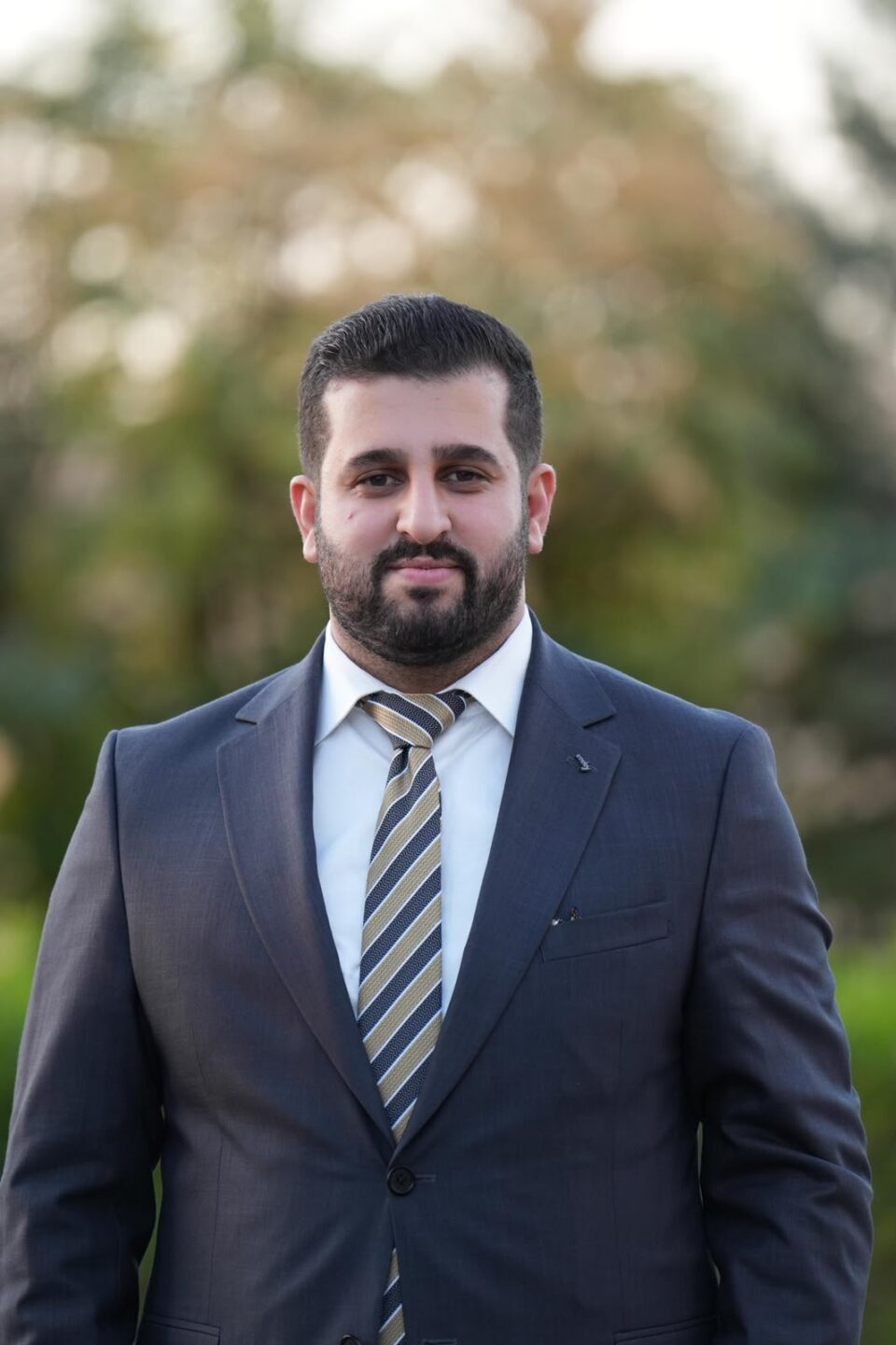
By Frsat Said Shkur
The Middle East is an environment characterized by rapid shifts and volatile conflicts, where maintaining stability is a daunting task even for major states. Within this complex equation, the Kurdistan Region, as a federal and democratic entity, has managed to present an unprecedented model of resilience and development. The Kurdistan Region has emerged as an effective actor with significant geopolitical weight in the area, playing a constructive role in maintaining international peace and security.
The Kurdistan Region’s strong external position is the result of practicing a successful form of diplomacy known in political science as “paradiplomacy.” In this context, international researcher Dr. Yaniv Voller, in his 2014 academic book The Kurdish Liberation Movement in Iraq: From Insurgency to Statehood, clearly points out how the Kurdistan Regional Government (KRG) has managed to counterbalance the region’s geopolitical pressures through building diplomatic relations. The outcome of this policy is evident today in the capital city of Erbil, which hosts over 42 foreign consulates and representations.
On the other hand, economic strategy and the energy sector form another pillar of the Region’s strong position. Prominent energy expert Robin Mills, in his 2013 study Under the Mountains: Kurdish Oil and Regional Politics, highlights the Region’s capacity for economic statecraft. Mills explains how the Kurdistan Region has utilized its hydrocarbon reserves to attract massive international investments, transforming Kurdistan into a vital energy hub and a catalyst for regional economic stability.
Simultaneously, the vital role of the Peshmerga forces in defeating terrorism has forged a solid security interdependence with the West.
However, to safeguard these monumental achievements and transition the Kurdistan Region toward a more advanced stage of stability and development, there is a set of strategic and national imperatives that require serious attention:
First: On the security front, there is an absolute necessity to complete the unification process of all armed and intelligence forces under the umbrella of the Ministry of Peshmerga Affairs, which will further bolster the trust of our allies.
Second: On the economic front, the Region must implement a robust strategy of economic diversification. Prioritizing the agricultural and tourism sectors, modernizing the banking system, and reducing reliance on a single source of revenue are the key guarantors of the Region’s economic independence.
Third: On the legal and political front, drafting a regional constitution is an urgent necessity to regulate political life. Furthermore, a continuous constitutional dialogue with Baghdad is required to resolve critical issues such as revenue sharing and the implementation of Article 140.
In conclusion, the Kurdistan Region has proven that it possesses immense will and capability. By acting upon these strategic imperatives, this entity can secure its position as a beacon of stability, economic development, and peace in the Middle East for decades to come.