
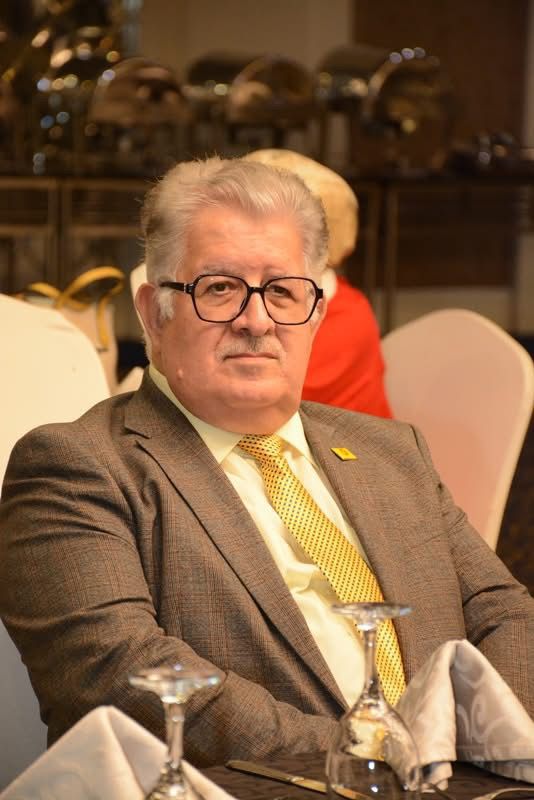
By Sherko Habeb
News about the “new Middle East” has been making headlines in newspapers and on television for some time now, especially following the Iran-Israel war. There is much talk of change, as if it could happen overnight.
A question likely on the minds of citizens across the Middle East is: What is the timeframe for implementing such a transformation in a region long plagued by conflict? Will this change serve the interests of the people, or, as with the Sykes-Picot Agreement, will it serve the ambitions of powerful nations that once divided the region to suit their own agendas? Will change come through the dissolution of existing states and the creation of new ones, or through the merging of territories in line with strategic interests? And what role will the Palestinian and Kurdish peoples play in this transformation—if it occurs? Will the Palestinians finally have a state of their own? Will the same be true for the Kurds?
The Kurds are the largest stateless nation in the world, despite fulfilling all the criteria for statehood, except for the support of major powers, whose geopolitical interests in the region have historically opposed the creation of a Kurdish state.
Kurdistan, whether the portion in Iraq, Turkey, Syria, or Iran, existed as an independent entity long before it was carved up and absorbed into these modern states. This division, implemented under the Sykes-Picot Agreement, aimed to weaken and disperse the Kurdish people, rendering them minorities in each of these countries. Yet, Kurdistan had its own distinct history, culture, and language, separate from those of the surrounding nations.
The Kurdish regions in Iraq, Iran, Turkey, and Syria were not historically part of those countries’ territories but were forcibly and unjustly annexed. When Iraqi Kurds speak of “independence”, it is not an act of secession from Iraq as such, but a call to reunite with other fragmented Kurdish regions that have long been subject to external manipulation, particularly by Western powers.
Kurds were present in Iraq even before the formation of the modern Iraqi state in the 1920s. It is strange that some still refer to Kurds as Arabs, Persians, or Turks, with all due respect to those peoples. The Kurds are a distinct and independent people. Is it right to call Kurds Arabs, Turks, or Persians, when they are among the oldest peoples in the region and have faced extensive persecution by the governments of these states, including the use of internationally banned weapons?
Oppressed nations throughout the region are watching carefully, hoping that any redrawing of the Middle East map will finally restore their rights and bring an end to their suffering—not simply act as a geopolitical chess move for the powerful. The Kurdish people, who have endured so much for so long, deserve the opportunity to establish peaceful relations with neighbouring countries and the international community, to live in a state of their own—in safety, peace, and stability.
We would not face a great dilemma if the new Middle East map were to return to a more just and original form—namely, a unified and independent Kurdish state that reflects their identity, culture, and national heritage. If this happens, the world will no longer be burdened by the recurring crises that affect the Kurds. Once the root causes of their suffering are addressed, stability can return not only to them, but also to their neighbours across the region.
May the future be brighter for the Kurds, and for all peoples of the Middle East. This aspiration is not contrary to the interests of any neighbouring nation or ethnicity—it is, in fact, aligned with the long-term peace and prosperity of the entire region.