For decades, the question of unifying the Peshmerga forces has stood at the heart of Kurdistan’s political and national discourse. Today, that question is no longer rhetorical. It is practical, urgent, and within reach.
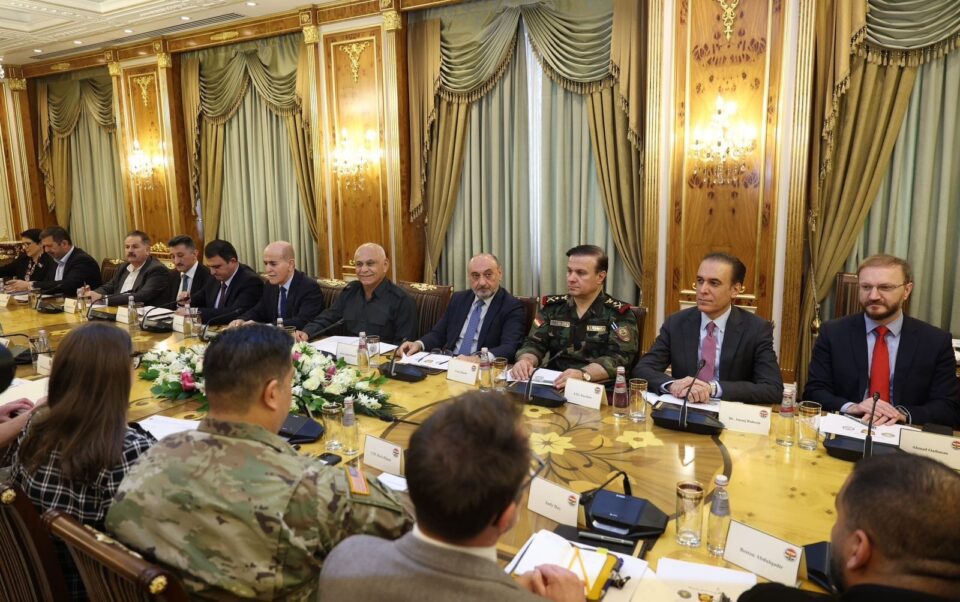
Recent steps toward organizing and consolidating the Peshmerga signal a serious intention to close one of the most sensitive chapters in the Kurdistan Region’s modern history. Under the guidance of the Kurdistan Region Presidency and in coordination with the Ministry of Peshmerga, discussions have moved beyond symbolism and into structured implementation. Meetings held with the support of the International Coalition and the United States reflect not only international backing but also growing internal consensus.
The technical groundwork has already been laid. Specialized committees were tasked with clarifying the authorities of Sector One and Sector Two, formerly known as Units 70 and 80. Their work, now reviewed and approved, marks an important institutional milestone. Yet unification is not merely an administrative exercise. It is a test of political will.
A unified Peshmerga force is more than a military reform. It is a statement about statehood, sovereignty, and responsibility. No nation can fully safeguard its achievements while its protective institutions remain divided. In a region defined by rapid change and persistent threats, fragmentation weakens resilience. Unity strengthens it.
International partners have consistently demonstrated their confidence in the Peshmerga. Training programs, memorandums of understanding, and sustained financial assistance underscore the strategic importance of reform. But external support cannot substitute for internal determination. The ultimate responsibility lies with Kurdish leadership and institutions.
In this regard, President Barzani’s efforts to encourage political cohesion and common purpose have been significant. Likewise, the Kurdistan Democratic Party has placed the creation of a single national Peshmerga force among its core priorities in shaping the next government. These commitments must now translate into tangible outcomes.
History has shown that Kurdish achievements were secured through unity in moments of hardship. The coming months offer an opportunity to institutionalize that unity in times of relative stability. Bringing all Peshmerga forces under one national command by the end of the year would not simply fulfill a promise. It would redefine the foundation of governance in the Kurdistan Region.
The path forward demands courage, compromise, and clarity of purpose. If the leadership succeeds, the result will not only be a stronger military institution but a stronger Kurdistan.