
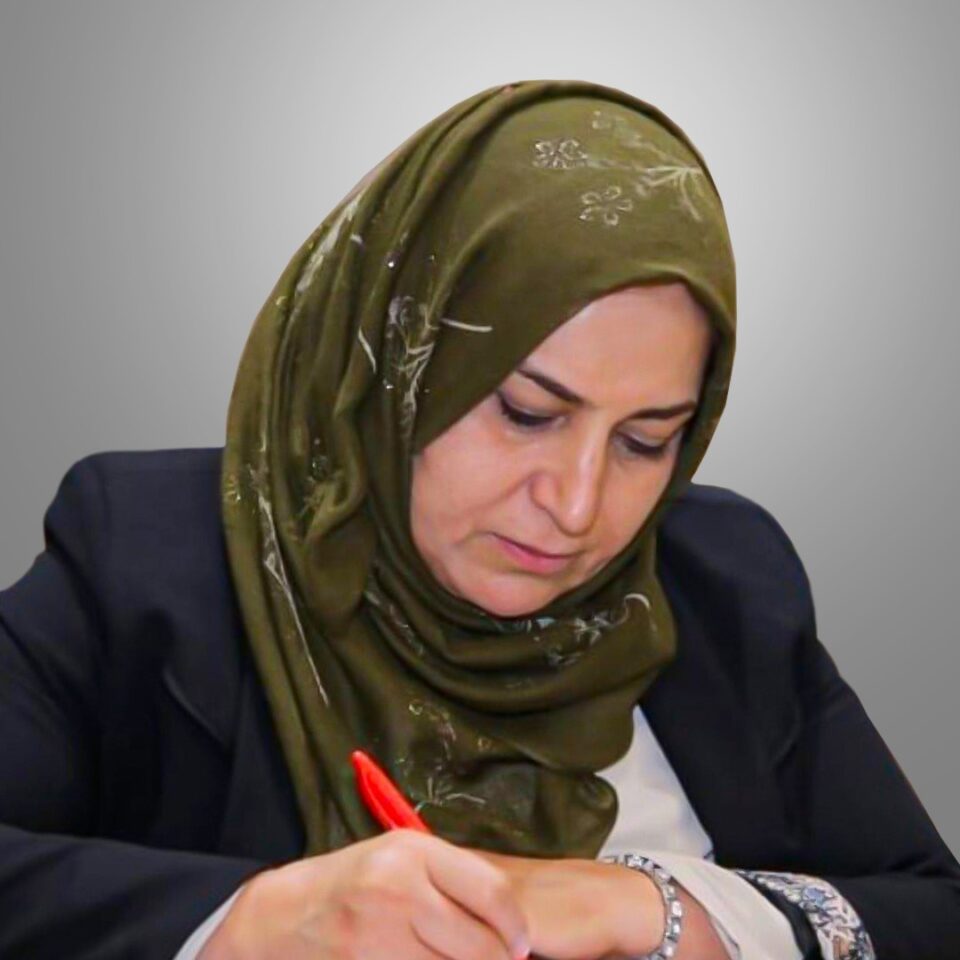
By | Dr. Nazaket Hussen
The Middle East has once again entered a period of uncertainty as renewed tensions between the United States and Iran threaten fragile economic and political progress in Iraq and the wider region.
After years of conflict and instability, Iraq and neighboring countries were beginning to move toward greater economic recovery. However, rising tensions have revived fears of another crisis, creating new challenges for governments, businesses, and citizens already affected by decades of turmoil.
The region remains vulnerable because it has not fully recovered from previous wars and political conflicts. Even limited military confrontations or escalating rhetoric can quickly damage investor confidence and slow economic development.
Iraq is particularly exposed due to its strategic location and heavy dependence on oil revenues. Any escalation between Washington and Tehran could affect Iraq’s security, investment climate, trade relations, and financial stability.
One of the immediate consequences of instability is the decline in investment. Businesses and international companies need security and predictability to operate, but uncertainty discourages new projects and limits job creation. This slows Iraq’s efforts to diversify its economy and reduce dependence on oil.
Iraq’s infrastructure also continues to face major challenges. Years of conflict have damaged important sectors, including oil facilities, transportation networks, and public services. Any new regional crisis could increase the cost of reconstruction and place further pressure on government resources.
The oil sector remains the foundation of Iraq’s economy. Since the country relies heavily on oil exports for government income, disruptions to energy markets or export routes could create serious financial difficulties and affect public services and development projects.
Foreign investment remains another major challenge. Despite Iraq’s economic potential, security concerns have prevented many international companies from making long-term commitments. Without stronger investment and economic diversification, achieving sustainable growth will remain difficult.
Regional tensions have also affected trade and cooperation. Disruptions to transportation routes and strained relations between neighboring countries make it harder to expand economic partnerships and strengthen regional markets.
The people of Iraq and the wider Middle East have already endured decades of conflict. What the region needs now is stability, dialogue, and economic cooperation rather than another cycle of confrontation. Long-term development depends on peace, respect for sovereignty, and policies that prioritize the interests of citizens.