
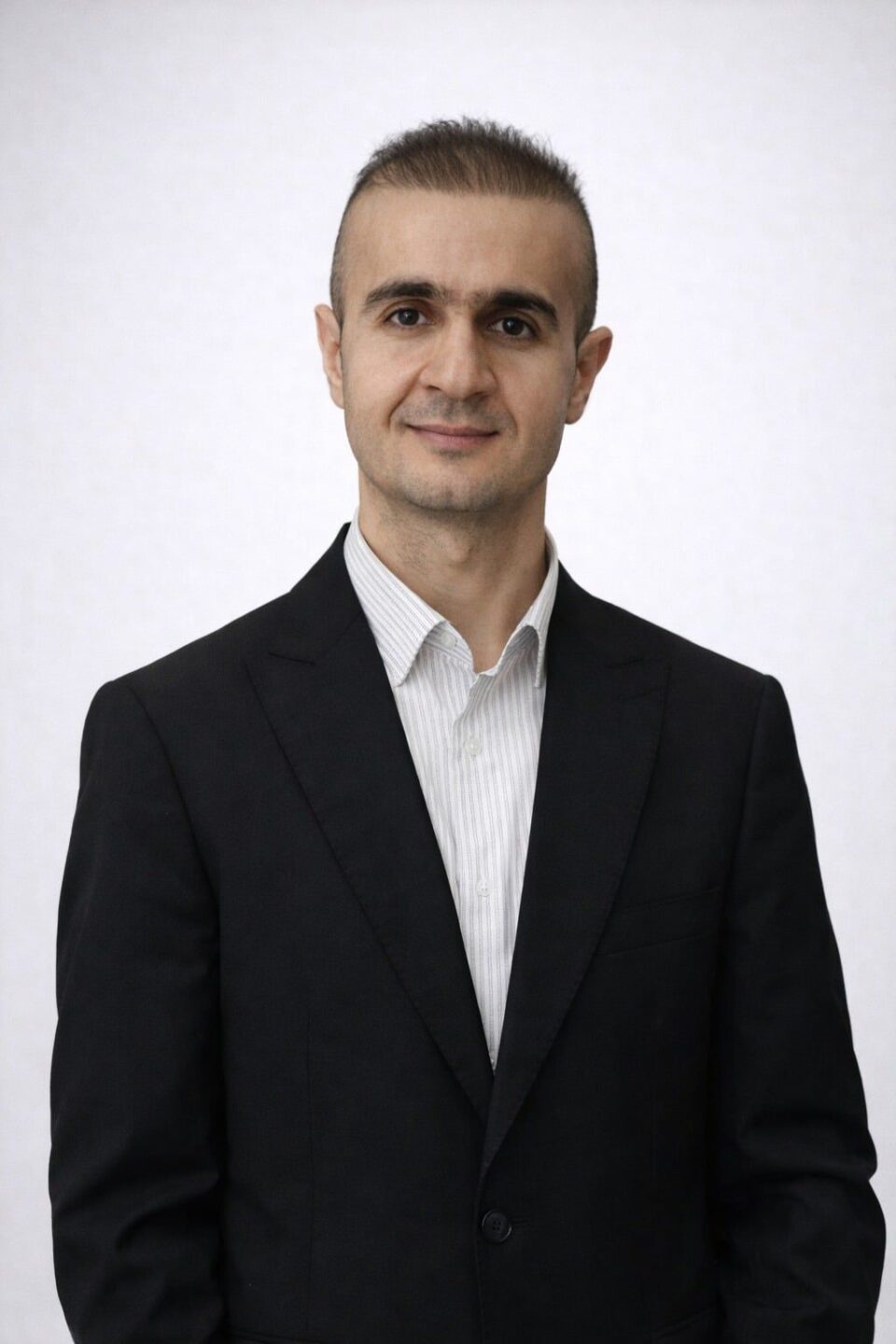
By Payraw Anwar
The political landscape of Syria has entered a new and deeply concerning phase following the fall of Bashar al-Assad’s regime in 2024. Power was assumed by Ahmed al-Sharh, a figure widely known for his radical and fundamentalist Islamist background. Al-Sharh’s political trajectory dates back to at least 2005, during which time he openly opposed Western influence in Iraq. His rise to power with this ideological foundation has raised serious concerns regarding the future of democracy, civil society, and minority rights in post-Assad Syria.
Soon after consolidating authority, al-Sharh began systematically excluding key social and political actors from the Syrian political sphere. Minority communities—including the Druze, Alawites, Kurds, and Christians—have been increasingly marginalized. This exclusion directly contradicts early claims by the new authorities that human rights, minority protections, and democratic principles would be upheld in the new Syria. Instead, the emerging political order appears to be moving toward authoritarian consolidation rather than inclusive governance.
Kurds, in particular, have played a decisive political and military role in Syria since 2014, especially in the aftermath of the Arab Spring. The Kurdish regions of northern Syria—commonly referred to as Rojava—possess deep historical roots, with Kurdish communities inhabiting these lands for centuries. Despite this, successive Syrian regimes systematically denied Kurdish identity and basic rights. Large numbers of Kurds were deprived of citizenship documents, prohibited from using their mother tongue, and treated as second-class citizens within their own country.
The emergence of the Syrian Democratic Forces (SDF) marked a significant shift in Syria’s conflict dynamics. As a new political and military paradigm, the SDF played a crucial role in the defeat of ISIS, fighting alongside international partners and in coordination with Kurdish Peshmerga forces from South Kurdistan. Their sacrifices were widely recognized as part of the global struggle against terrorism.
Despite this, recent developments have dramatically reversed any prospects for stability. Armed forces loyal to Ahmed al-Sharh launched attacks on predominantly Kurdish neighborhoods such as Sheikh Maqsoud and Ashrafiya. These areas are inhabited almost exclusively by Kurdish civilians. Reports indicate widespread violence against non-combatants, including children, women, and the elderly, as well as deliberate attacks on civilian infrastructure such as hospitals and primary healthcare centers. Such actions constitute clear violations of international humanitarian law.
These attacks occurred despite the existence of agreements between the authorities in Damascus and the autonomous administration in Rojava. The failure of al-Sharh’s government to honor these agreements has resulted in renewed displacement, forcing thousands of Kurds to flee their homes and become internally displaced persons (IDPs) once again.
Several key factors appear to underpin this renewed violence:
1. Consolidation of Authority: Al-Sharh seeks to impose centralized control over northeast Syria (Rojava), with the backing of certain regional powers, in order to strengthen his position both domestically and internationally.
2. Diversion of Public Attention: Attacks against Kurdish regions may also serve as a strategic distraction from controversial understandings or arrangements between Syria and Israel. By targeting Kurds, al-Sharh avoids openly acknowledging cooperation with Israel, thereby limiting backlash and condemnation from the wider Arab world.
In conclusion, the current trajectory of Syria represents a deeply troubling development not only for Kurds but for all components of Syrian society. Continued violence against minorities undermines any possibility of building a democratic, inclusive, and stable state. Respect for human rights, political pluralism, and minority protections are not optional ideals—they are fundamental pillars for preventing renewed conflict and civil war. Without them, Syria risks repeating the same cycles of violence that have already devastated the country for more than a decade.