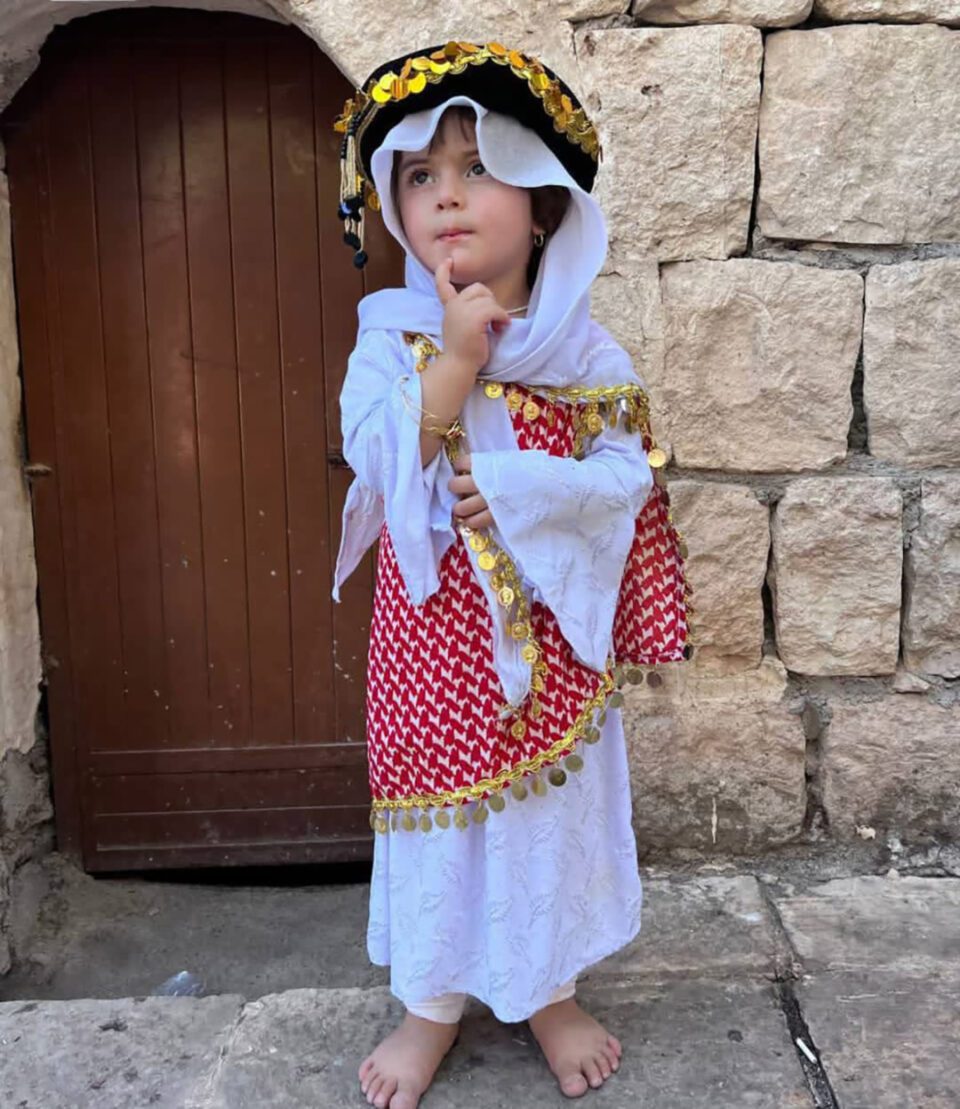
Every October, Yazidis around the world gather to celebrate one of their holiest festivals, the Jema Festival, with many returning to the Lalish Temple in Sinjar, Kurdistan. The week-long festival, lasting seven days, is marked by a series of religious rituals that hold deep significance for the Yazidi community.
The rituals of the Jema Festival share similarities with the Hajj in Islam, with sacred water playing a central role. Just as Muslims revere Zamzam water, Yazidis consider the White Spring in Lalish sacred.
The festival begins with evening prayers and religious hymns on the first day. On the second day, devotees perform circumambulation of all Lalish shrines at dawn, a practice repeated on the third and fourth days. The fifth day features the Ritual of the 7 Angels, during which seven girls are dressed in white to symbolize the seven angels of heaven.
On the sixth day, the Qabagh ritual is observed, involving the sacrifice of a bull to the Sun God, with the meat offered as a sacred item called Semat. The festival concludes on the seventh day with the Berberswarkirdin ritual, marking the official completion of the celebrations.
Yazidis are an authentic Kurdish community and a vital religious group in Iraq and the Kurdistan Region. Their festivals are officially recognized, and the Kurdistan Regional Government has consistently supported their rights. Following the ISIS attacks, President Barzani and the Kurdistan Peshmerga forces acted swiftly to liberate Sinjar, ensuring the safety of the Yazidi people.