
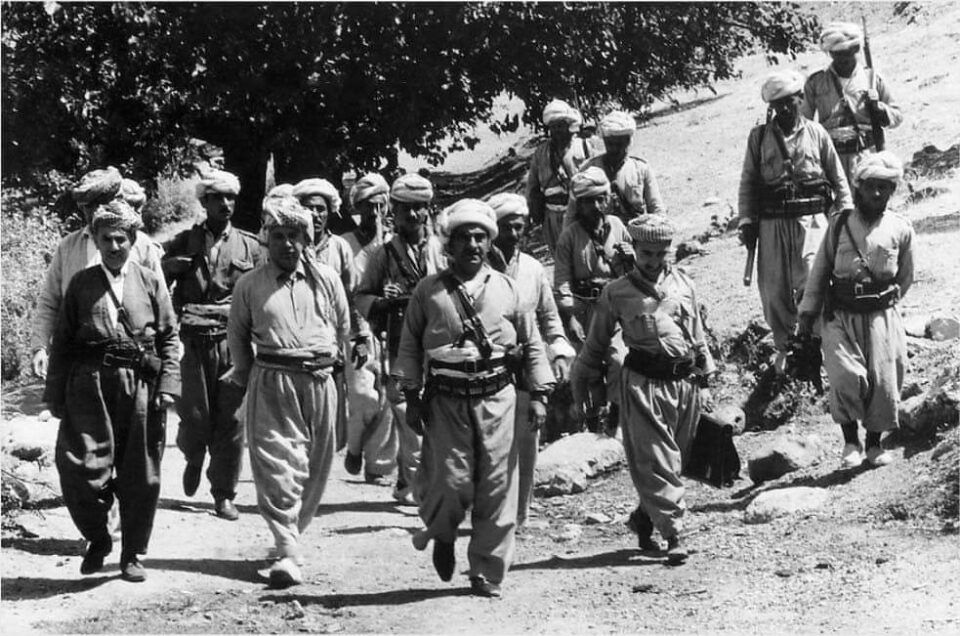
The September (Eylul) Revolution brought the cause of the people of Kurdistan to international forums and united the region’s ethnic and religious communities in a common struggle.
September 11 marks the 65th anniversary of the beginning of the Great September Revolution under the leadership of the immortal Mustafa Barzani. The revolution became one of the most significant stages in the modern history of the Kurdish liberation movement and achieved major national and political gains, most notably the March 11, 1970 Agreement, through which the Ba’athist regime was forced to recognize part of the national rights of the people of Kurdistan.
The people of the Kurdistan Region regard many of today’s achievements as the result of the September Revolution. They say the revolution brought Kurds from Zakho to Khanaqin together under one umbrella and strengthened unity and solidarity among Kurdish society.
The revolution began on September 11, 1961, under the leadership of the immortal Barzani and gradually spread across Kurdistan. Members of different ethnic and religious communities participated, along with Iraqi opposition parties and groups. Kurdistan also became a place of refuge for many Iraqis seeking freedom and opposing dictatorship.
On the anniversary of the revolution, President Masoud Barzani said the September Revolution emerged from the will, confidence, and dignity of the people of Kurdistan. He described it as a strong and organized foundation for the continued struggle and resistance of the Kurdish people against tyranny.
President Barzani said the perseverance of the leadership, Peshmerga, and people advanced the Kurdish cause and made the September Revolution a source of strength and inspiration for later stages of the liberation struggle and for Kurdish freedom fighters across Kurdistan.
He also emphasized that the revolution was a broad national movement involving Peshmerga, politicians, organizations, religious scholars, teachers, writers, intellectuals, youth, women, and other segments of society.
Kurdistan Region President Nechirvan Barzani described the September Revolution as the “mother of Kurdistan’s revolutions.” He said that at a time when the existence and rights of the people of Kurdistan were denied, the revolution strengthened national awareness, political thought, and patriotic identity.
According to Nechirvan Barzani, by bringing different social, ethnic, and religious groups together, the revolution carried the voice of the Kurdish people’s demand for freedom to the international community and laid the foundation for the first official recognition of Kurdish rights and later constitutional gains.
He also stressed the importance of unity, coexistence, mutual acceptance, and peaceful cooperation, saying that solidarity among political forces remains essential to protecting federalism, the Kurdistan Region’s constitutional status, and its achievements.
Kurdistan Region Prime Minister Masrour Barzani also commemorated the anniversary, honoring the Peshmerga, fighters, activists, and all participants in what he described as a popular and nationwide revolution in which the ethnic and religious communities of Kurdistan took part.
He highlighted the March 11, 1970 Agreement as one of the revolution’s most important historic achievements and called for a united Kurdish position to protect and further develop the constitutional status and national achievements of the Kurdistan Region.
The Political Bureau of the Kurdistan Democratic Party said the pluralistic nature of Kurdistan’s society was one of the distinctive foundations of the September Revolution. It described the revolution as a nationwide movement rooted in Kurdayeti and patriotism, in which people from different social classes and backgrounds made significant sacrifices.
The KDP said the September Revolution not only became an important part of the collective memory of the Kurdish people but also moved the Kurdish liberation movement to a new political stage. It said the revolution helped the Kurdish movement gain a stronger role in domestic and international political affairs and contributed to historic developments, including the March 11 Agreement, the nationwide uprising, and the establishment of the political and constitutional entity of the Kurdistan Region.
Historical documents and accounts describe the September Revolution as a response to the Iraqi state’s dictatorship and denial of the rights of the people of Kurdistan. Led by the Kurdistan Democratic Party under the immortal Barzani, the revolution’s political program helped turn the movement into a broad national struggle that connected Kurdistan from Zakho to Khanaqin.
The revolution brought people of different ethnicities, religions, and political views together in opposition to tyranny and oppression. It represented a major turning point in the history of the Kurdish liberation movement.
The September Revolution also helped move the Kurdish cause beyond a local struggle and onto the international stage. The activities and resistance of the Peshmerga attracted the attention of international media, bringing journalists from around the world to Kurdistan to report directly from the front lines.
Their reports helped introduce the Kurdish cause to international public opinion and political forums, giving greater international visibility to the struggle and aspirations of the people of Kurdistan.