
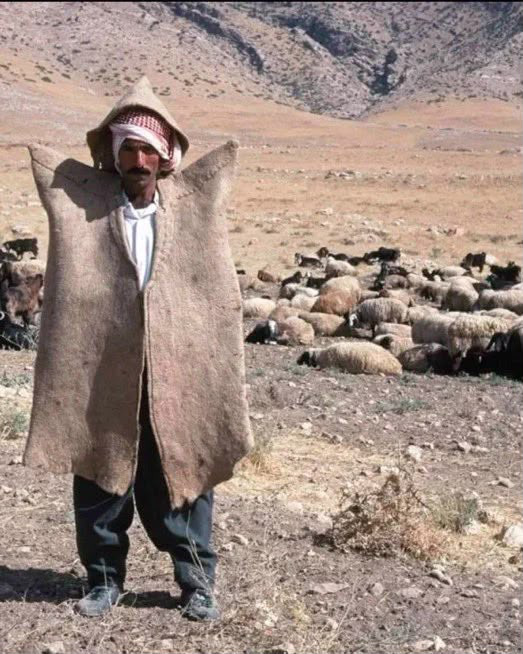
Questions raised over the use of traditional Kurdish designs in global fashion
The traditional Kurdish Farenji has become part of a wider discussion about cultural heritage and the use of traditional designs by international fashion brands.
In recent years, major fashion companies have faced criticism from cultural observers and activists over the use of traditional clothing and designs associated with different communities without clear acknowledgement of their origins. A recent debate involving the French fashion house Louis Vuitton has also drawn attention to the Farenji and concerns over the recognition and protection of Kurdish cultural heritage.
The Farenji is more than a traditional item of clothing. It is a distinctive handcrafted garment associated particularly with the mountainous areas of Kurdistan, including Hawraman. Made from sheep’s wool, the garment goes through a specialized spinning, weaving and finishing process that gives the fabric its characteristic thick and long fibres.
Historically, the Farenji served a practical purpose in the mountains. Its dense wool construction provided protection for shepherds and travelers against cold weather, snow and rain. Producing the garment is a demanding craft that requires considerable skill and experience and has traditionally been passed down from one generation to another.
For many Kurdish communities, the Farenji therefore represents both practical knowledge and cultural heritage.
The discussion surrounding its use in international fashion has raised questions about cultural recognition and the rights of traditional craftspeople. Cultural commentators and Kurdish activists have argued that when elements of traditional Kurdish clothing are used commercially without identifying their cultural origins or acknowledging the communities that developed them, the historical and cultural context of the design can be lost.
The debate has also renewed calls for stronger measures to document and protect Kurdish traditional clothing, handicrafts and other forms of cultural heritage.
Kurdish cultural institutions, researchers and media organizations have been urged to document traditional designs and crafts and to explore legal and international mechanisms for protecting cultural heritage. Such efforts could help preserve the knowledge behind traditional crafts while ensuring that their origins are properly recognized when they are presented to wider audiences.
The Farenji debate reflects a broader international question facing the fashion industry: how can designers draw inspiration from traditional cultures while respecting their origins, communities and craftspeople?
For Kurdish cultural advocates, protecting the Farenji and other traditional forms of craftsmanship is not only about clothing. It is also about preserving the history, knowledge and identity carried through generations.