
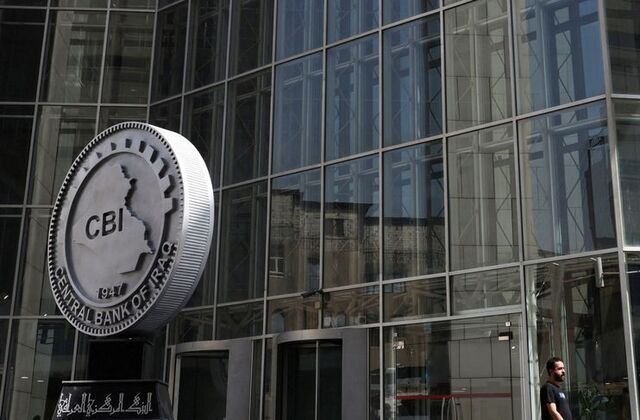
By the end of April, the Central Bank of Iraq (CBI) has introduced a directive, effective on June 1, 2025, restricting Mastercard/Visa usage for cross-border transactions, shifting cross-border payments to a U.S.-regulated “Switch” card system. The rule is designed to enhance control and curb illicit financial flows but has brought extensive disruption in Iraq’s financial system.
Major banks, particularly those without correspondent relationships outside the country and substantial domestic capital, suffer severe disruption. Perhaps no institution captures Iraq’s digital banking dreams and today’s challenges as well as First Iraqi Bank (FIB). Few years ago, it was initiated as Iraq’s first fully-digital bank, and FIB became extremely popular for offering Iraqis something unprecedented: easy Visa card payments abroad and online accessible to the public. As the writer observed, FIB transformed “from an institution once clouded by rumors of fraudulent activities into a widely embraced digital banking platform,” successfully digitizing domestic and international payments to solve “longstanding banking challenges” for citizens. Not merely technically accomplished – it was psychological. FIB helped convince a skeptical public that an Iraqi bank would successfully link them into the world economy, from buying products on Amazon to paying foreign tuition or receiving allowances using Iraqi dinar exchange rates equivalent to its international value rather than much depreciated domestic rates against the US dollar. That trust was put to the test in the latest CBI restrictions.
Domestically, FIB managers were negligence to the CBI’s April statement, said an insider; therefore, unable to respond promptly to the changes and inform its clients in advance in order to prepare them psychologically for the banking disruptions. The bank was clearing its foreign card transactions of customers through an intermediary system, which the CBI abruptly shut down. FIB’s team panicked for substitutes – desperate for new agreements with foreign banks to resume operations – but no solution immediately emerged. Spooked messages circulated through FIB’s employee channels with fears clients would leave the bank if their cards were rendered unusable abroad. By the first week of June, the worst fears were realized: withdrawals by customers increased once FIB suspended its overseas use. Many users including insiders rushed to transfer balances kept in FIB’s electronic wallet to cash or other banks in case the new bank came under regulatory heat. Social media platforms abound with nervous depositors venting about how to recover their dollar balances or if their deposits were still safe.
In Iraq’s parallel market for currency – where individuals exchange dinars for dollars internationally, unofficially – the dinar fell, a gauge of public anxiety regarding the robustness of the banking system. The exchange rate for street trading jumped briefly above the Central Bank’s managed rate as Iraqis chose to use physical dollars rather than cash in account balances. Added to the pressure was a rumor circulating in May that the government had raided Rafidain and Rasheed bank deposits to meet budgetary expenses, which officials refuted outright as “false…election-motivated rumors.” The Finance Ministry itself made a statement highlighting that big state banks themselves had “high liquidity and cash reserves” far in excess of minimal amounts, and that comparing Iraq’s situation to bank runs elsewhere was “not accurate”. However, one can argue that the sudden suspension of federal budget stream to the Kurdistan Region from May onwards, depriving civil servants and the regional government from cash, can indicate that the federal government suffers illiquidity and once again exported its crisis to Kurdistan.
In FIB’s case, the intersection of losing a key service (international access) and widespread speculation produced a mini bank-run effect, at least for a day or two. By mid-June, FIB management assured that all was well and dinar-denominated services were functioning normally, but the episode illustrated how sensitive customer confidence can be – especially for an online bank with no long-term history to fall back on. The market reaction was swift and negative, with big stock value declines, reflecting reduced investor and consumer confidence. The new regulations further reflect greater geopolitical tensions, specifically with the United States, which has placed restrictions or sanctions on over 35 banks, including South Islamic Bank, Kurdistan International Islamic Bank, Al-Ittihad Bank, and Ashur Bank, for regulatory compliance, reducing their foreign dollar transactions.
They are an indicator of international regulatory pressures aimed at cutting down currency smuggling and financial secrecy. Solid correspondent banks and large capital reserves, such as Rafidain Bank, Region Trade Bank (RT Bank), and Qi Card service, have continuous international activities. Nevertheless, despite assurances by major banks, clients in certain regions get caught up in temporary breaks in services, contributing to public disorientation.
The online banking disruption has a substantial impact on businesses and individuals. Iraqi consumers who are used to online transactions experience significant inconvenience. International students, import-dependent businesses, and marketers who use international platforms such as Google Ads are hit hard. Black market alternatives and informal money transfer channels have become wider, ironically working against the transparency objective.
Despite these disruptions, initiatives such as MyAccount in Kurdistan and Tawteen on a national basis offer crucial blueprints to long-term financial and fiscal reform. MyAccount has introduced digitalization of public wages, increased financial inclusion and relatively created banking system trust albeit it is still way ahead. It significantly increases formal banking engagement, enabling easy transitions to new regulations.
Public reactions remain mixed. The majority view the snap reversals as expensive but essential to treat abuse of funds. Others view them as succumbing to outside pressures, particularly American. Resentments are at its peak dreading reverse development in the sector. Direct impacts are more economic friction, especially in advertising and SMEs reliant on trouble-free international payments, driving cost of operations higher and rendering business processes more complex.
In the long and medium run, these reforms can strengthen Iraq’s banking sector by directing more transactions into safe institutions. The Switch card system would enable greater confidence to be restored through improved monitoring of foreign transactions yet brings greater US control over Iraqi financial system. Nevertheless, regular disruptions stand the risk of propelling consumers back into informal, cash-based transactions in case the infrastructure is eroded. In the neoliberal globalizing market economy, such “shock therapies” are deemed “necessary” for economies like Iraq to re-integrate its banking sector into the global financial system.
Transparency in pro-active communications and swift operational response from the Iraqi authorities and CBI will be vital. Successful implementation of these reforms in creating a credible, stable banking system in the next few months depends partly on transparent and effective implementation. Iraq’s cautious transition at this financial crossroads could prove to be a turning point toward sustainable economic modernization.
Arez Barzinjyi