
Erbil – With over 8,000 archaeological sites registered so far, the Kurdistan Region is emerging as a key area of global interest in archaeology and heritage. Thanks to its strategic location and deep historical roots, the region has attracted more than 100 domestic and international archaeological teams, and special legislation has been passed by the Kurdistan Parliament to protect its cultural treasures.
The General Directorate of Archaeology, working under the Kurdistan Regional Government (KRG), collaborates closely with foreign teams, including experts from Europe, the United States, and Japan. Around 25 active archaeological teams now conduct seasonal research, primarily between April and November. Their findings have placed Kurdistan firmly on the international map of heritage and archaeology.
According to official estimates, only about 50% of the region has been surveyed, yet nearly 8,000 sites have already been registered. Experts predict this number could exceed 10,000 as more areas are explored. Despite this progress, the vast number of sites poses a challenge for preservation and protection. Building physical security infrastructure for every site is unrealistic, so local communities are being engaged to help protect and monitor nearby heritage areas.
While a plan to establish a dedicated archaeological police force was announced in 2012, it remains unimplemented due to financial constraints linked to economic pressures from Baghdad. Nevertheless, legal measures remain strong. According to the KRG’s archaeology and heritage law, encroachment or vandalism of sites results in legal action. In 2023 alone, 28 cases of theft and damage were recorded, and offenders were arrested and prosecuted.
Shanidar Cave: A landmark discovery
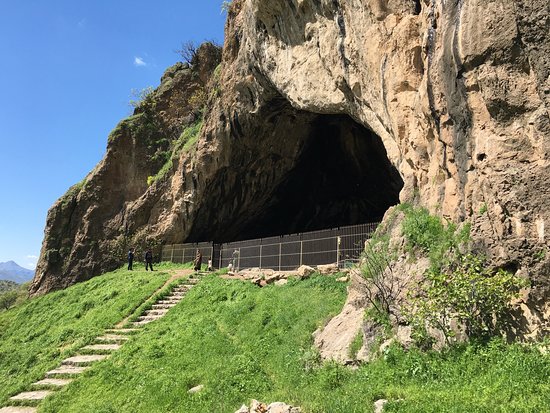
One of the most remarkable archaeological sites in the region is Shanidar Cave, located in the Bradost mountains near Mergasur, 145 kilometers northeast of Erbil. The cave is internationally known for the discovery of a 75,000-year-old Neanderthal skull, unearthed by British archaeologist Dr. Emma Pomeroy and her team from Cambridge University. This discovery generated worldwide interest and was featured in a BBC documentary later streamed on Netflix.
Dr. Pomeroy emphasized the global importance of Shanidar Cave, noting that several scientific teams continue to study the site. The latest find, known as the “Shanidar Z” skeleton, is among dozens of significant artifacts uncovered over more than six decades of research.
In response, the KRG has launched plans to build a modern museum near the cave to attract international tourists and create a hub for archaeological research. The initiative reflects broader efforts to promote cultural tourism and share Kurdistan’s ancient legacy with the world.
As a result of these developments, the Kurdistan Region is not only preserving its past but also shaping a future where history and heritage play a central role in its global identity.