
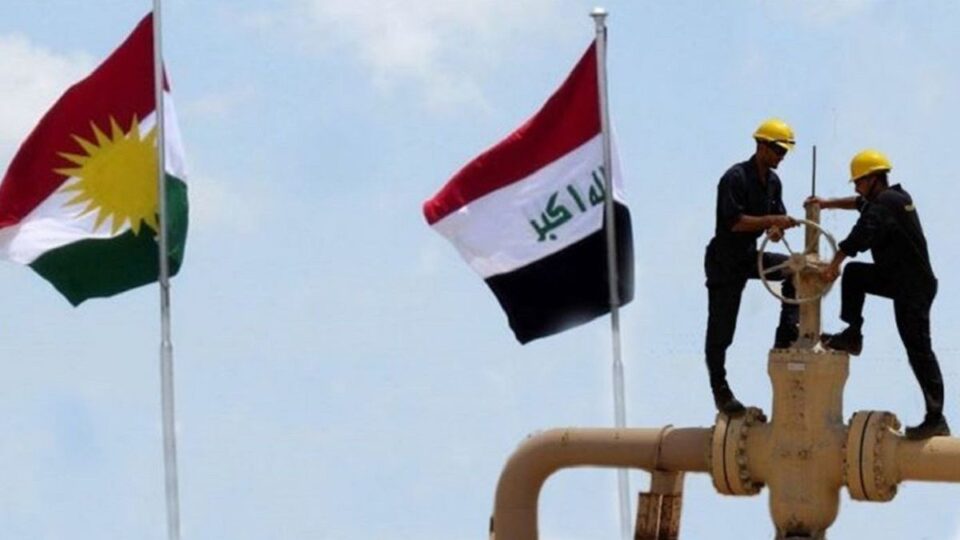
The Kurdistan Regional Government (KRG) and Iraq’s Federal Government (FG) are on the cusp of a landmark agreement that could reshape their historically strained relationship, addressing long-standing disputes over oil production, revenue sharing, and salary payments. However, this fragile progress is overshadowed by a wave of drone attacks on Kurdistan’s oilfields, which have slashed output and raised fears about the region’s economic stability. As Erbil and Baghdad navigate this pivotal moment, the success of their agreement and the resilience of the oil industry hang in the balance.
A Breakthrough in Erbil-Baghdad Relations
After years of tension, the KRG and FG have reached the final stages of a draft agreement that promises to resolve critical issues, including oil exports and salary disbursements for Kurdish public employees. According to Kurdish news sources, the deal, refined through multiple amendments, is set for approval by Iraq’s Council of Ministers, with immediate implementation to follow. The agreement allocates funds for a month’s worth of salaries, addressing a chronic issue that has left Kurdish workers unpaid for extended periods. Regional and international pressure has been instrumental in pushing both sides toward this long-term framework, which aims to replace temporary fixes with sustained cooperation. Yet, uncertainties linger, particularly around the timeline for salary payments, which may occur in May or July depending on administrative processes.
The agreement marks a significant step toward stabilizing relations between Erbil and Baghdad, which have been strained by disputes over oil revenues and budget allocations. By prioritizing cooperation, the deal could foster economic stability and mutual trust, but its success hinges on timely execution and the resolution of remaining administrative hurdles.
Drone Attacks Threaten Oil Industry Revival
As negotiations neared completion, Iraqi Kurdistan’s oil sector was rocked by a series of drone attacks, reducing output by nearly half. Strikes on oilfields operated by Norway’s DNO, U.S.-based HKN Energy, and other international companies have targeted key sites, including Tawke, Peshkabour, Khormullah, and Sarseng, over four consecutive days. Regional security officials attribute the attacks, which caused material damage but no casualties, to backed militias, though no group has claimed responsibility. The assaults have slashed production from 435,000 barrels per day (bpd) to between 140,000 and 150,000 bpd, threatening the region’s economic lifeline.
The timing of the attacks is particularly concerning, as they coincide with an agreement to resume oil exports through the Iraq-Turkey pipeline, closed since March 2023 due to legal and technical disputes. On Thursday, Baghdad announced that the KRG would deliver 230,000 bpd to the state oil marketer SOMO for export via Turkey’s Ceyhan port. However, KRG Prime Minister Masrour Barzani noted that financial details are still pending, and the drone strikes add further uncertainty to the plan. International oil companies, including DNO and Genel Energy, have demanded that their production-sharing contracts remain unchanged and that nearly $1 billion in debts be settled, complicating the path to resuming exports.
Oil and Revenue Sharing: A Delicate Balance
At the heart of the Erbil-Baghdad agreement is a compromise on oil and revenue sharing. The KRG has committed to transferring 50% of its domestic revenue—approximately 90 to 100 billion Iraqi dinars per month—and 282,000 bpd to Baghdad. In return, Kurdistan will retain 120,000 bpd for domestic use and debt repayment to foreign companies, with an additional 42,000 bpd allocated for local fuel needs. Baghdad has pledged to support the KRG’s domestic fuel demands, potentially easing energy shortages. Crucially, the agreement is insulated from delays in Iraq’s Oil and Gas Law, ensuring that existing contracts remain intact.
Despite this progress, challenges remain. The deferral of customs and trade revenue issues for four months, pending the KRG’s compliance with federal banking regulations, highlights the complexity of aligning financial systems. Additionally, the lack of clarity on salary disbursement timelines has raised concerns among Kurdish employees, who have endured years of payment delays.
As Iraqi Kurdistan navigates these dual challenges—securing a historic agreement with Baghdad and countering drone attacks—the region stands at a crossroads. The agreement offers a path toward stability, but the ongoing security threats and unresolved financial details could jeopardize its implementation. The coming months will be critical in determining whether Erbil and Baghdad can translate this deal into lasting cooperation and restore confidence in Kurdistan’s embattled oil industry.
By Jawad Qadir