
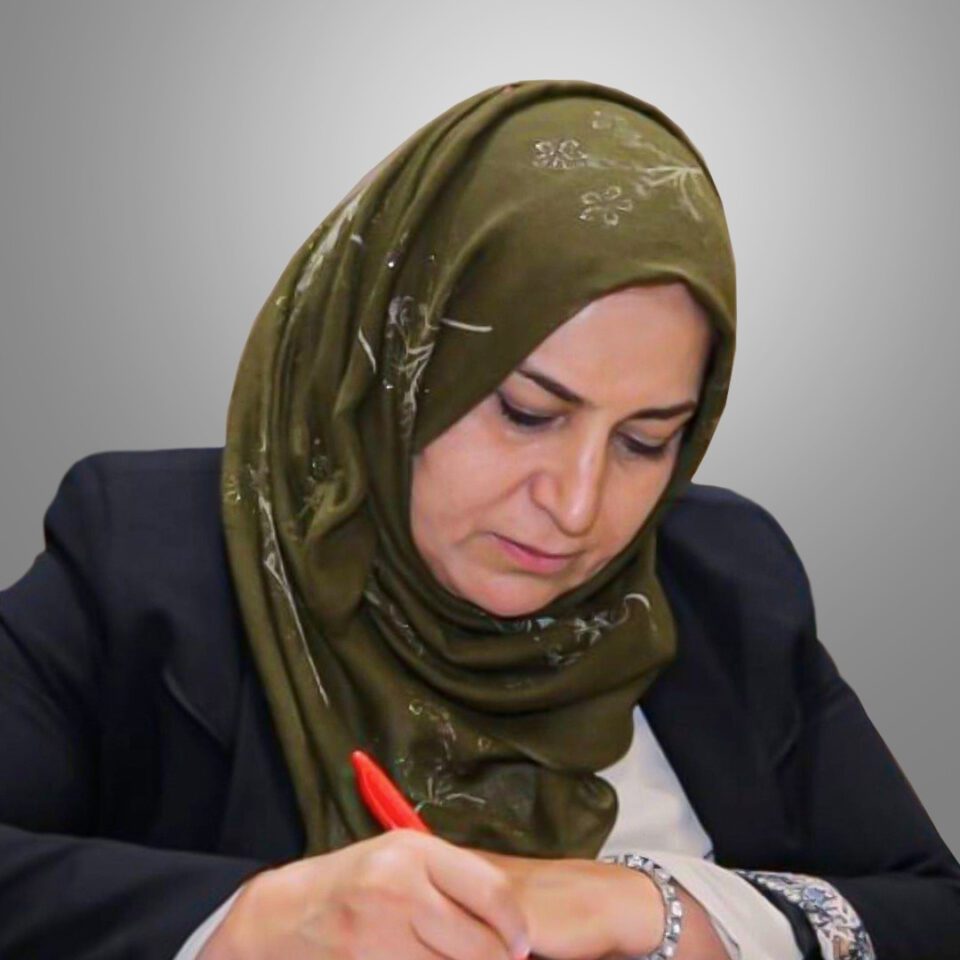
By | Dr. Nazaket Hussen
The stability of the Kurdistan Region is a reflection of broader regional stability. Crises across the Middle East continue to grow more complex, and despite numerous efforts, even a relative calm has yet to be achieved. In this environment, establishing peace, stability, and economic growth is an enormous challenge—and recovery, when setbacks occur, is even harder to realize.
Amid these tensions and conflicts, the Kurdistan Region has made notable progress. It has maintained a degree of stability and has emerged as a destination for investment, tourism, and economic activity.
However, despite its resilience, the region continues to face serious challenges. Years of economic blockade imposed by the Iraqi federal government—combined with sporadic drone strikes and military actions—have created an atmosphere of psychological insecurity for both residents and visitors.
The intent behind these blockades and attacks is clear: to weaken the Kurdistan Region’s infrastructure and undermine its hard-won security and development.
Given these threats, it is crucial for foreign consulates and international observer missions in the region to actively monitor and respond to these destabilizing actions. Failure to do so risks exacerbating tensions—not only in Iraq but across the entire Middle East.
A decline in the region’s stability and development would have global consequences. The world stands to lose access to vital energy resources, while the Kurdistan Region would again become a victim of violence and regional conflict.