
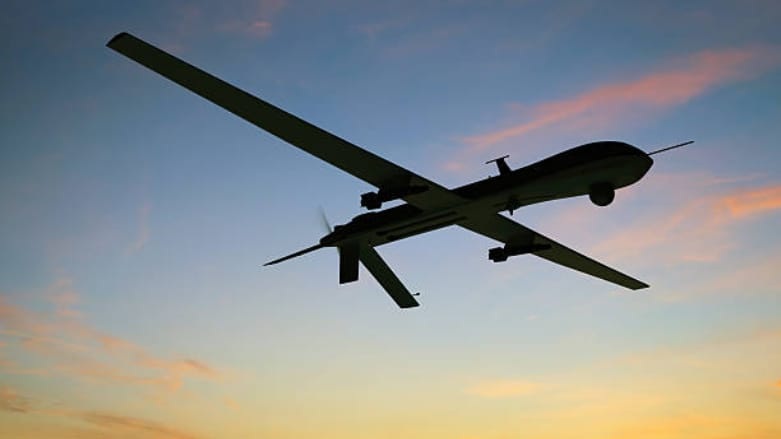
Attacks have severely damaged the region’s oil sector
The Kurdistan Region has once again become the target of drone strikes. Yet the Iraqi government, as in previous incidents, has failed to take any concrete measures—beyond forming committees and conducting field assessments—to prevent future threats or hold those responsible accountable.
According to reports by Iraqi government teams who visited the Kurdistan Region to assess the damage, the recent wave of drone strikes—launched by militia groups operating outside Iraq’s legal framework—has reduced the Region’s daily oil production from 280,000 barrels to just 80,000 barrels.
A separate report from Iraq’s ECHO monitoring group stated that in the past month alone, nearly 58 drones have targeted Kurdistan’s oil infrastructure.
This latest round of drone strikes has been particularly severe, causing serious disruption to oil output—at a time when Erbil and Baghdad are engaged in sensitive negotiations over salary payments for KRG employees. The KRG had expressed readiness to hand over both oil and non-oil revenues to Baghdad, but the drone strikes made it impossible for the Region to deliver the full quota of oil Iraq requested through SOMO.
The attacks were widely condemned by KRG officials, diplomatic missions, and international consulates in both Baghdad and Erbil.
In an interview with Al Sharq News, Kurdistan Region Prime Minister Masrour Barzani addressed the recent drone strikes targeting the Region’s oil fields, saying: “I do not want to speak on behalf of the attackers and why they carried out the drone attacks on the oil fields in the Kurdistan Region?”
PM Barzani emphasized the KRG’s efforts to cooperate with Baghdad: “We are working with Baghdad to identify the sources of the drone attacks and with the U.S. to protect Kurdistan’s overall stability and development. At the same time, we must stay alert—ISIS remains active in both Iraq and Syria.”
Regarding the unresolved salary crisis, which ties into a new revenue-sharing deal with Baghdad, Barzani said: “It’s unfortunate that people’s salaries are being used as a political bargaining chip. By law and constitution, salaries are a protected right and should be paid without delay or condition. This is unacceptable, unconstitutional and illegal and the Federal Court has decided that the salaries of Kurdistan employees should not be part of the conflict between Erbil and Baghdad. Yet for three months, public sector employees in Kurdistan haven’t received their wages. Just two days ago, we finally paid May’s salaries—yet we’re already at the end of July.”
He added: “We expect to pay salaries for June and July soon. But let me be clear: as a federal region, Kurdistan has the right to receive its share of Iraq’s federal budget. That is the correct and legal path.”
Barzani further noted: “Now the Ministry of Finance at the federal level is interfering in the details of the salaries and budget of the Kurdistan Region, which is a constitutional and legal violation. A real solution requires a formal, binding agreement on Kurdistan’s share of the national budget.”
Meanwhile, Human Rights Watch issued a statement warning that the drone strikes on Kurdistan’s oil sites have caused serious damage to the energy sector. The group called on both Baghdad and Erbil to prioritize salary payments before taking any other steps. HRW also described the strikes and the deepening Erbil-Baghdad tensions as a dangerous development. The federal government, the statement added, has withheld salary transfers to the KRG since May. HRW urged both governments to launch an investigation into the attacks, prevent further escalation, and ensure timely salary distribution.
U.S. Congressman Joe Wilson also took a strong stance. On his official X (formerly Twitter) account, he expressed outrage that Iraqi militias are using American funding to strike U.S. allies in the Kurdistan Region.
“What is happening in Kurdistan is unacceptable,” he wrote. “I have personally discussed these attacks with KRG foreign relations officials. Unfortunately, militias are being paid with U.S. taxpayer dollars sent to Baghdad and are attacking our allies in the Kurdistan Region and U.S. personnel. Regional actors are exploiting this instability. These provocations must stop.”
Wilson has promised to formally push for the designation of Iraqi militias as terrorist organizations and to freeze financial assistance to Iraq if necessary.
The Kurdish Globe