
The Kurdistan Region stands at a critical juncture in its economic development journey. After a decade of significant growth heavily dependent on oil and gas revenues, the Kurdistan Region has embarked on an ambitious diversification strategy that could reshape the region’s economic landscape. A comprehensive 2020 bill passed by the Kurdistan Regional Government (KRG) represents more than just policy reform—it signals a fundamental shift toward building a resilient, multi-sector economy capable of weathering global energy market volatility.
This strategic pivot encompasses eight key sectors: agriculture, construction, natural resources, mining, information and communications technology (ICT), tourism, trade, manufacturing, and banking. According to a U.S. Agency for International Development (USAID) publication, while these sectors present substantial opportunities for growth, they face structural challenges that demand targeted reforms and sustained investment to unlock their full potential.
Revitalizing Agriculture and Natural Resources: From Import Dependence to Self-Sufficiency
The Kurdistan Region’s agricultural sector tells a story of untapped potential constrained by decades of conflict and neglect. Currently importing over 80% of its basic food products—often of substandard quality—the region’s agricultural landscape presents both challenges and remarkable opportunities. The sector’s revival could significantly impact food security and economic independence.
Opportunities abound in poultry production, grain cultivation, fruit and vegetable farming, and livestock development. Emerging areas like biotechnology and organic production offer pathways to not just self-sufficiency but potentially export-oriented growth. However, the sector struggles with outdated practices, lack of modern agro-processing facilities, inadequate cold chain technology, and absence of organic certification systems.
Innovative initiatives are already showing promise. Studies on soybean production and vegetable dehydration projects, including tomato powder production, represent near-term growth opportunities that could reduce import dependence while creating value-added products. The key lies in substantial investment in infrastructure and technology modernization.
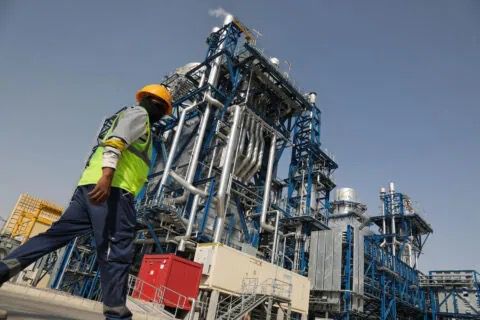
The natural resources sector continues to be a cornerstone, with petroleum reserves estimated between 10 to 45 billion barrels of crude oil, attracting international companies through Production Sharing Contracts. The KRG’s Ministry of Natural Resources is currently drafting a Mining Act to stimulate interest in the region’s mineral wealth, including copper, gold, and barite deposits. This legislative framework promises to unlock significant commercial growth potential while ensuring sustainable development practices.
Building Infrastructure and Technological Capacity
The construction sector has emerged as a vital engine of job creation and economic growth, driven by robust demand for cement, steel, bricks, and sanitary utilities. However, bureaucratic inefficiencies and complex permitting processes limit its competitive edge. The KRG’s proposed solutions include establishing a “one-stop shop” for permitting, creating a Project Development Facility, and forming a Public-Private Partnership Center. These reforms could streamline processes, attract foreign investment, and capitalize on the region’s ongoing urbanization and infrastructure development needs.
Information and communications technology represents perhaps the most transformative opportunity. Decades of neglect have left the KRI’s ICT infrastructure significantly outdated, but this challenge also presents enormous potential for leapfrog development. Success in this sector requires the KRG to establish a robust regulatory environment, enhance international connectivity, and prioritize ICT education to build a skilled workforce capable of positioning the region as a regional technology hub.
The tourism sector leverages the region’s rich cultural heritage, exemplified by Erbil’s ancient Citadel, to develop cultural, adventure, and religious tourism offerings. The “Kurdistan – the Other Iraq” marketing campaign and UNESCO’s proposed master plan for the Citadel could anchor a distinctive tourism identity. Private-sector tour operators are already demonstrating market viability by bringing visitors from across Iraq, but expanding the Ministry of Tourism’s operational capacity and fostering public-private partnerships remain critical for global competitiveness.
Strengthening Trade, Manufacturing, and Financial Systems
The trade sector benefits from the KRI’s strategic geographic location but faces a fundamental imbalance between robust import activities and weak export performance, particularly in agricultural products. The KRG is actively promoting consumer protection laws and export campaigns to address this disparity and build a more balanced trade portfolio.
Manufacturing remains dominated by small-scale family businesses that struggle with unreliable electricity supply, water shortages, and weak supply chains. Agro-processing and technology transfer initiatives could stimulate industrial growth, but success depends on substantial infrastructure investments to enhance overall competitiveness.
The Kurdistan Region’s economic future depends on successfully navigating this transition from oil dependence to diversified growth. With strategic reforms, infrastructure investment, and enhanced private-sector engagement, the region’s natural wealth, strategic location, and cultural heritage position it as a promising investment destination for the coming decade. The path forward requires sustained commitment to structural reforms and the political will to implement comprehensive change across all economic sectors.
Note: The article utilizes information sourced from a publication by the United States Agency for International Development (USAID).
By Jawad Qadir