
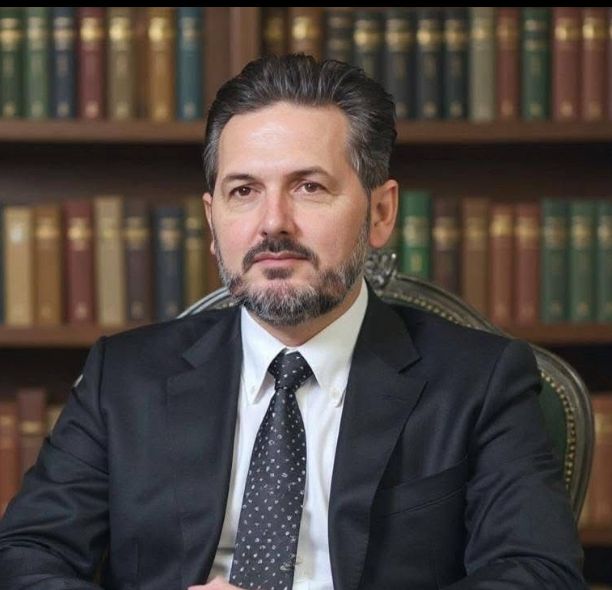
By Hewa Abdlukhaleq Ahmed
The Kurdistan Regional Government (KRG) of Iraq is geared towards developing the tourism sector as the backbone of its future development strategy, with the aim of achieving the ambitious goal of attracting 20 million tourists annually by 2030 . This vision is based on the government’s understanding of the region’s diverse tourism potential, ranging from archaeological and historical areas to fascinating mountainous nature and rich cultural heritage.
The new statistics show the success of the initial government policies in this area, as the region welcomed 1.7 million tourists in the first four months of 2024 alone, indicating a significant growth in the number of tourists and an increase in confidence in the Kurdistan Region as a tourism destination. This achievement supports the government’s current directions and justifies the significant investments that have been made to develop the tourism sector.
The government’s strategy includes several key pillars , the most prominent of which is the development of tourism infrastructure through the construction of new hiking and exploring mountain areas, the renovation of existing tourism facilities, and the construction of advanced tourist reception centers. The government also focuses on strengthening Kurdish cultural identity through the development of cultural heritage. Restoration of historical monuments, preservation of heritage villages and revival of local festivals that showcase indigenous Kurdish music, dance and traditions .
In the area of international cooperation, the KRG works with reputed international organizations such as the United Nations Development Programme (UNDP) and the United States Agency for International Development (USAID) to implement programs to develop tourism enterprises and empower women and youth in the sector. This international cooperation lends confidence in the government’s efforts and provides the necessary technical and budgetary expertise to achieve this goal. It provides specific objectives.
The government’s vision faces a number of challenges, including the need to strengthen security and stability in the region, improve transport and mobility networks, and develop professionals in the tourism industry. But the government is already addressing these challenges through a comprehensive reform plan known as the “Reform Roadmap” that aims to revive tourism in the region.
In addition, the restoration project of the Erbil Citadel is one of the most prominent examples of the government’s seriousness in the development of heritage tourism. The restoration of the main street of the citadel and a number of its side streets, in accordance with international standards of historical monuments, has reached its final stages, with 10,600 square meters of the main street paved so far. This major project is under the direct supervision of the KRG President Masrour Barzani will be implemented, underscoring the government’s high priority for the preservation of urban heritage.
The castle, which is considered the world’s oldest residential site and listed on the UNESCO World Heritage List , will become an important tourist hub with a new landscape, preserving its original landscape, houses and inner streets, and attracting around 3.5 million tourists in 2024. The castle is currently open to visitors and has a museum displaying artifacts dating back thousands of years, with different times to visit depending on the seasons.
Ultimately, the KRG’s commitment to developing the tourism sector reflects a progressive economic vision that aims to diversify sources of income and reduce dependence on oil, which will help build a sustainable and diversified economy. It bodes well for the future of the tourism sector in the region.