
By Gharib Ali Salim
The tourism sector is one of the most climate-sensitive economic areas, particularly in a region like the Kurdistan Region, where tourism depends heavily on natural resources, environmental beauty, and cultural heritage. These assets are highly vulnerable to climate change and drought, both of which are becoming increasingly frequent.
Drought here refers to a significant drop in rainfall below the average annual precipitation for a given area, or a long-term shortfall in expected rain levels. Geographically, Kurdistan lies in a semi-arid zone where rainfall is inconsistent—making the region prone to recurrent droughts. This can have serious consequences on ecosystems, public health, and economic activities, turning into both an environmental and human disaster when it occurs.
Unstable rainfall patterns
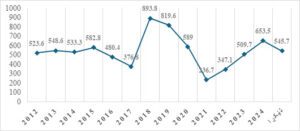
The Kurdistan Region is not immune to the impacts of climate change. Annual rainfall between 2012 and 2024 has shown high fluctuations. Typically, rainfall is seasonal—occurring between September and May—covering fall, winter, and spring, but leaving summer mostly dry. Rainfall totals have ranged dramatically: in the wet years of 2018–2019, totals reached up to 893.8 mm, while in 2021, they dropped to a stark low of 236.7 mm. These fluctuations, caused by irregular weather patterns and climate anomalies, deeply affect surface water sources like springs, rivers, lakes, and reservoirs.
Kurdistan, compared to other parts of Iraq, enjoys a stronger tourism appeal because of its relatively lush climate, heavier rains and snow, and its many rivers, lakes, and scenic natural landscapes. This is especially true for domestic tourists from central and southern Iraq, who flock to Kurdistan for its cool weather and greenery.
Visible Impact
This year, continued drought and reduced rainfall have severely affected water availability in tourist zones. For instance, in Small Zab in Rania, water levels have dropped significantly compared to last year. Only a narrow stream remains, impacting both the number of tourists and the businesses that depend on them.
Shakhawan Marcos, who operates a licensed tourism project in the area, says: “Last year, we were full—there were no empty spots. This year, the drop in water levels has pushed tourists away.” The resulting economic blow affects tourism investors, local shop owners, and seasonal workers alike.
According to Kurdish media outlets over 100 tourism projects in the Balakayati area are now struggling due to the water crisis. For example, the famous Ali Beg waterfall is now running dry. The land above the waterfall is agricultural and depends on motor pumps for irrigation, which has further diverted the flow of water away from the tourist site.
Without sustainable water management and climate adaptation strategies, the tourism sector risks serious long-term setbacks. The signs are already visible: fewer tourists, drying rivers, and weakened livelihoods for thousands who depend on this vital industry.