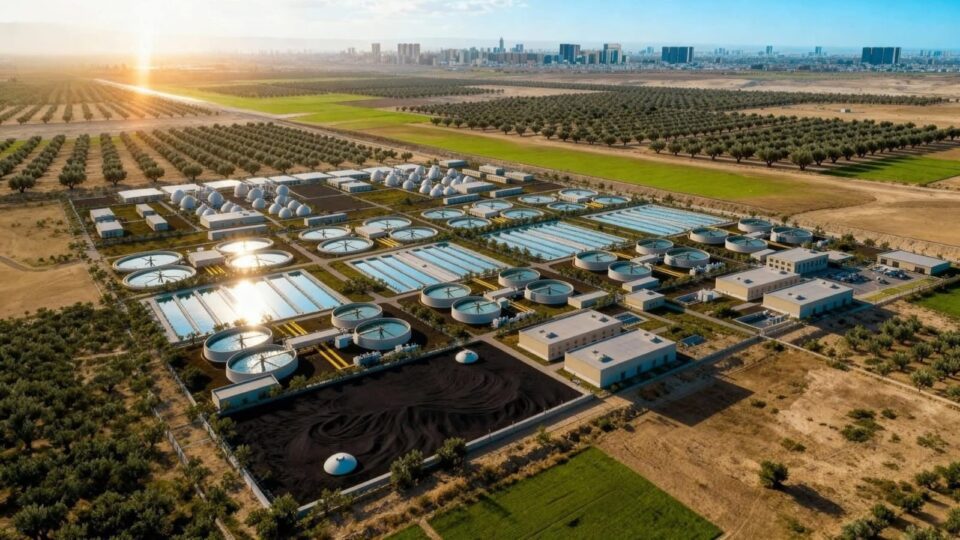
The Kurdistan Regional Government has taken a decisive step toward modernizing Erbil’s environmental infrastructure with the launch of the first phase of the Erbil Wastewater Recycling Project, a long-awaited initiative that reflects both strategic planning and international partnership.
Following a high-level meeting at the Erbil Governorate with a delegation from the Japan International Cooperation Agency, implementation of the project has officially moved forward. The first phase, funded by JICA with a budget of 288 million dollars, represents the largest environmental infrastructure investment in the capital of the Kurdistan Region to date.
Spanning 75 kilometers of infrastructure, the project will introduce modern sewage networks and establish systems to treat and recycle household wastewater. Rather than allowing untreated sewage to pollute natural resources, purified water will be redirected to irrigate parks, gardens, and Erbil’s developing Green Belt. The initiative will also help prevent contamination of the Great Zab River and protect groundwater reserves, an increasingly urgent priority.
A second phase, projected at 300 million dollars, is already planned, underscoring the long-term nature of the reform. Beyond infrastructure, the project signals a broader shift toward sustainable urban management and environmental responsibility.
Erbil’s leadership expressed appreciation to the Japanese government and JICA for their continued support, emphasizing the importance of deepening cooperation and expanding opportunities for Japanese expertise and companies in the Kurdistan Region.